As the world grapples with the escalating impacts of climate change, carbon credit trading has emerged as a vital mechanism for reducing greenhouse gas emissions. In India, the carbon credit exchange market is gaining traction as industries seek to navigate this complex landscape. With the government’s push for sustainability and compliance with international standards, Indian industries are adapting their operations to leverage carbon credits effectively.
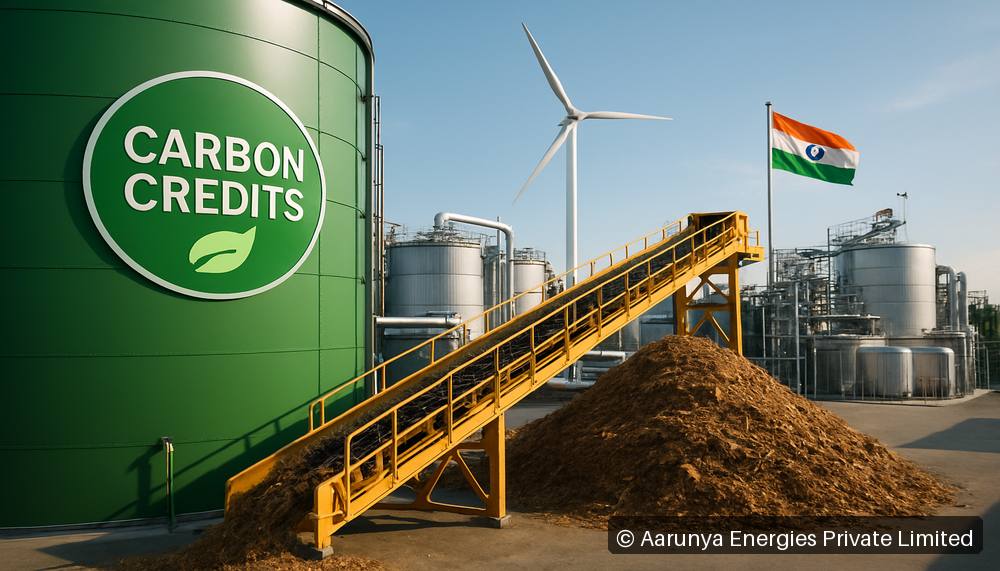
The carbon credit exchange market allows companies to buy and sell carbon credits, which represent one ton of CO2 emissions reduced or sequestered. This market not only provides financial incentives for companies to lower their carbon footprints but also fosters a culture of environmental responsibility. For Indian industries, this system presents both challenges and opportunities as they strive to meet regulatory requirements and enhance their sustainability profiles.
One of the main drivers of carbon credit trading in India is the government’s commitment to reducing carbon emissions as part of its Nationally Determined Contributions (NDCs) under the Paris Agreement. Industries are encouraged to adopt cleaner technologies and practices to earn carbon credits, which can be traded in both domestic and international markets. This transition is especially relevant for sectors such as manufacturing, energy, and agriculture, which are significant contributors to carbon emissions.
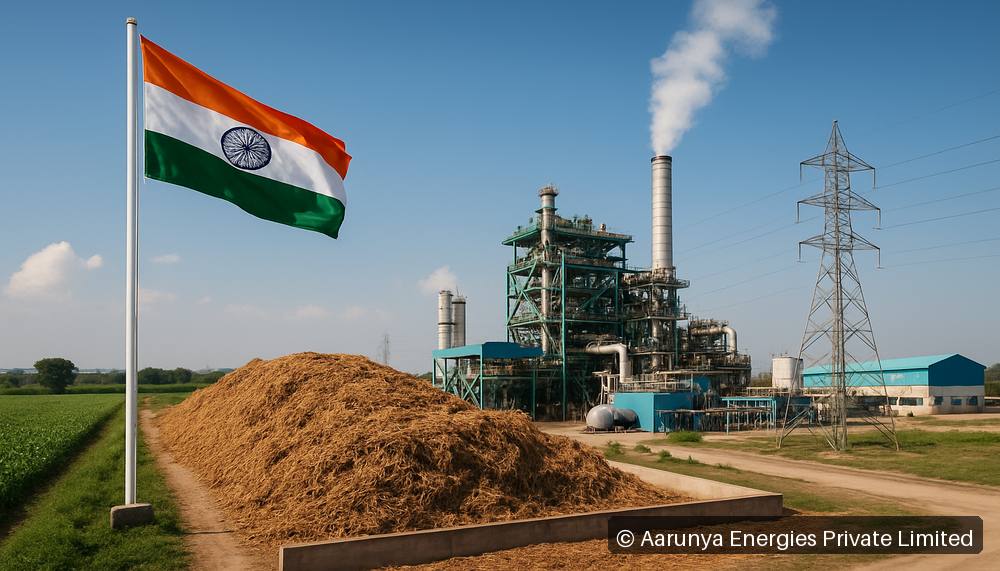
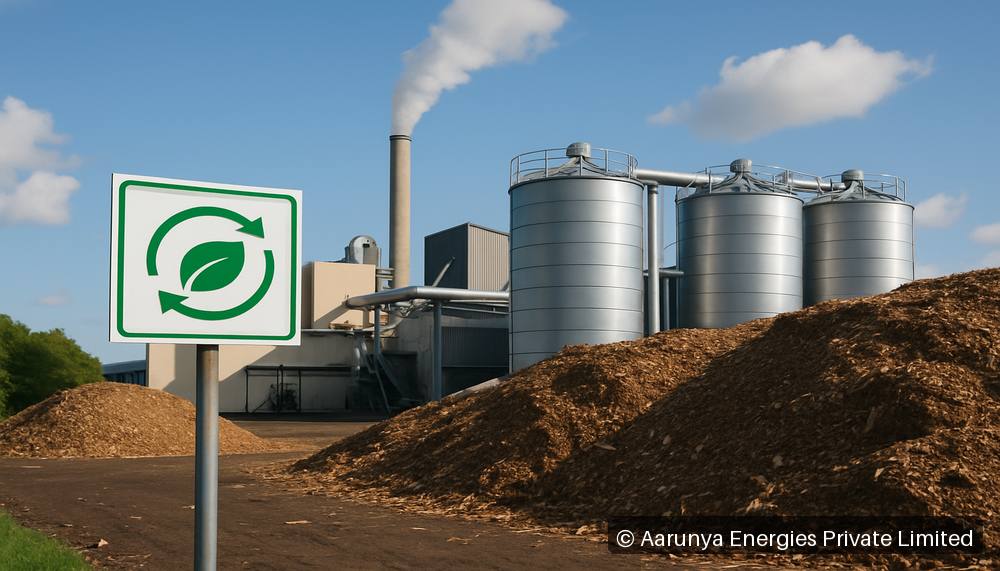
Indian industries are increasingly investing in renewable energy sources, such as solar, wind, and biomass, to generate carbon credits. For example, the use of solid biofuels, including briquettes and pellets, helps reduce dependence on fossil fuels while simultaneously generating tradable carbon credits. Companies like Aarunya Energies Private Limited are at the forefront of producing biomass energy solutions that not only address energy needs but also contribute to carbon credit generation.
Furthermore, many industries are adopting energy efficiency measures and waste management practices to lower their emissions. These initiatives often qualify for carbon credits, providing an additional revenue stream. For instance, the implementation of energy-efficient technologies in manufacturing processes can lead to significant reductions in emissions, allowing companies to participate actively in the carbon credit market.
The emergence of carbon credit exchanges, such as the Indian Energy Exchange (IEX) and the Power Exchange India Ltd. (PXIL), has simplified the trading process for industries. These platforms facilitate the buying and selling of carbon credits, creating a transparent and efficient marketplace. As awareness of carbon credits grows, more industries are seeking to understand how to navigate these exchanges to optimize their operations and financial performance.
However, participating in the carbon credit market is not without its challenges. Industries must navigate a complex regulatory framework and ensure compliance with both national and international standards. Additionally, there is a need for accurate measurement and verification of emissions reductions to qualify for carbon credits. This often requires investment in monitoring technologies and systems to ensure credibility in the trading process.
To further support Indian industries in this transition, the government is exploring various policy measures to enhance the carbon credit trading framework. Initiatives such as capacity building, financial incentives, and public-private partnerships are being considered to encourage industries to adopt sustainable practices and participate in the carbon credit market.
As Indian industries continue to engage with the carbon credit exchange market, the focus on sustainability is expected to grow. The integration of carbon credits into corporate strategies will not only enhance compliance but also improve brand reputation and stakeholder engagement. In this dynamic environment, companies must remain agile and informed about market trends and regulatory changes to effectively navigate the challenges and seize the opportunities presented by the carbon credit exchange market.
In conclusion, the carbon credit exchange market is transforming how Indian industries approach sustainability and emissions reduction. By investing in cleaner technologies and practices, companies can not only comply with regulations but also benefit from the financial incentives offered by the carbon credit market. As this market matures, it will play a crucial role in driving India’s transition towards a more sustainable and low-carbon economy.