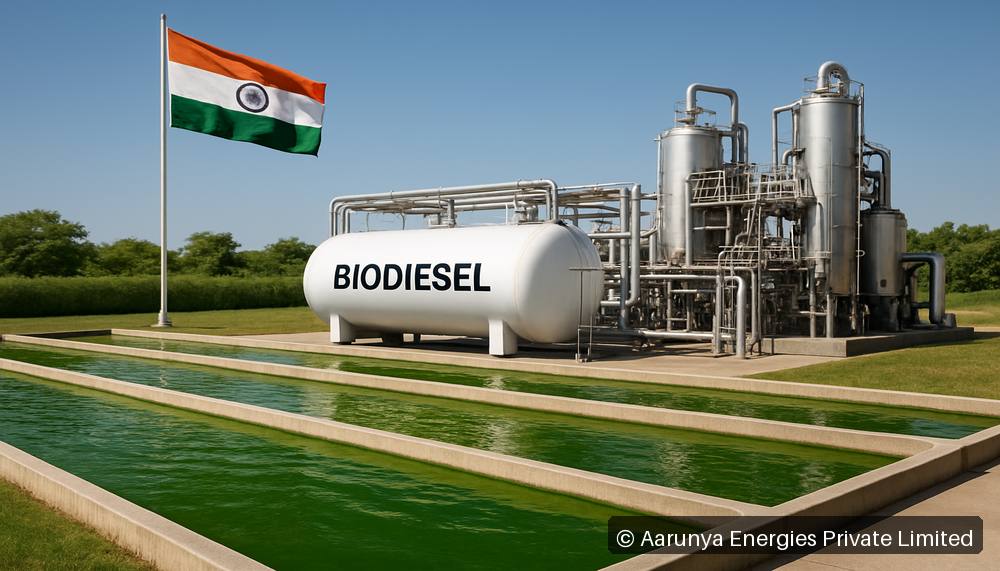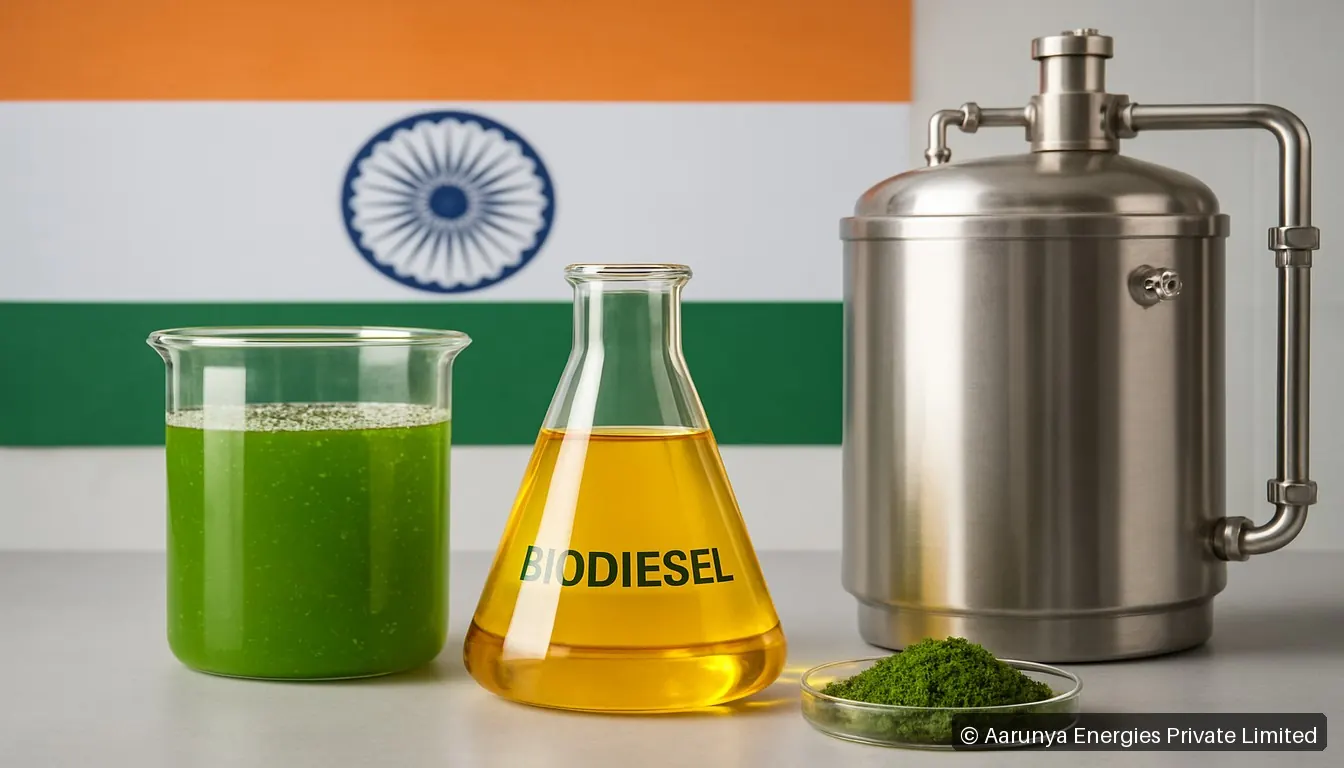
Biodiesel has emerged as a promising alternative to conventional fossil fuels, contributing to energy security and environmental sustainability. Among various feedstocks for biodiesel production, algae stand out due to their high oil content, rapid growth rates, and ability to thrive in diverse environments. In recent years, India has made significant progress in exploring the potential of algae for biodiesel production, driven by the need for sustainable energy solutions and the country's commitment to reducing carbon emissions.
Algae are photosynthetic organisms that can convert sunlight, carbon dioxide, and nutrients into biomass. This unique characteristic allows them to produce lipids, which can be processed into biodiesel. India, with its vast coastline, abundant sunlight, and diverse climatic conditions, presents an ideal environment for cultivating various algal species. Research institutions and universities across the country have been actively investigating different strains of algae, their cultivation methods, and the processes required for efficient biodiesel extraction.
One of the notable research initiatives in India is the work being done by the Indian Council of Agricultural Research (ICAR) and various state universities. They have focused on identifying high-yield algal species that can be cultivated in freshwater, brackish water, and marine environments. For instance, species like Chlorella and Spirulina have shown promising results in terms of oil yield and growth rates. Moreover, researchers are exploring the use of waste materials, such as agricultural runoff and industrial effluents, to enhance algal growth and reduce production costs.
The technological advancements in biodiesel production from algae have also gained momentum in India. Several research projects are investigating various bio-extraction methods, including mechanical, chemical, and enzymatic processes, to optimize oil recovery from algal biomass. Innovations in these extraction techniques have the potential to lower the overall production costs, making algae-based biodiesel more competitive in the market.
In addition to research, various pilot projects have been initiated to assess the commercial viability of algae-based biodiesel. These projects aim to bridge the gap between laboratory research and commercial production. For example, the National Algal Biofuel Technology Mission, launched by the Government of India, aims to promote large-scale cultivation of algae and the establishment of biodiesel production facilities. The mission emphasizes collaboration between government agencies, private sectors, and research institutions to accelerate the development of algae-based biofuels.
Despite the progress, challenges remain in the commercialization of algae-based biodiesel in India. One of the primary hurdles is the high cost of production compared to traditional fossil fuels. Addressing this challenge requires further research into optimizing cultivation techniques, improving oil extraction methods, and developing cost-effective bioreactors. Additionally, regulatory frameworks and policies must support the integration of algae-based biodiesel into the existing energy infrastructure.
The commercial potential of algae-based biodiesel in India is immense, considering the growing demand for renewable energy sources. As the country aims to achieve its renewable energy targets, algae-derived biodiesel can play a significant role in diversifying the energy mix. Moreover, with the global push towards sustainable energy solutions, India can position itself as a leader in algae-based biodiesel production, attracting investments and fostering innovation in the biofuels sector.
Furthermore, the environmental benefits of using algae for biodiesel production cannot be overlooked. Algae cultivation can contribute to carbon sequestration, helping to mitigate climate change impacts. As they absorb carbon dioxide during photosynthesis, large-scale cultivation of algae can serve as a carbon sink while simultaneously producing valuable biofuels.
In conclusion, India has made notable strides in the research and commercialization of biodiesel production from algae. With continued investment in research, technological innovations, and supportive government policies, algae-based biodiesel can become a sustainable solution to meet the country’s energy needs. As the world moves towards cleaner energy alternatives, the potential for algae as a feedstock for biodiesel in India is not only promising but also essential for a sustainable future.