As India grapples with rapid urbanization and increasing waste generation, the intersection of biodiesel production and urban waste management presents a unique opportunity for sustainable energy solutions. The country is on a quest to transition to cleaner energy sources, and biodiesel, derived from various feedstocks including urban waste, could play a pivotal role in this transition.
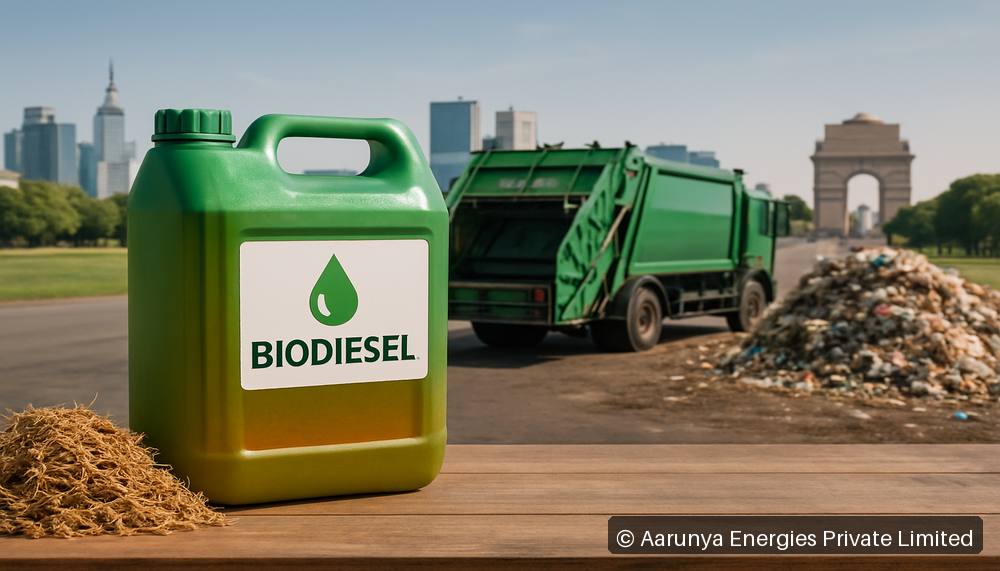
Urban waste management has become a pressing issue in Indian cities. With millions of tons of waste generated daily, the challenge of disposal and treatment is compounded by limited infrastructure and resources. However, this problem also presents an opportunity for innovation. By converting urban waste into biodiesel, cities can not only reduce the burden on landfills but also create a renewable energy source that can help meet local energy demands.
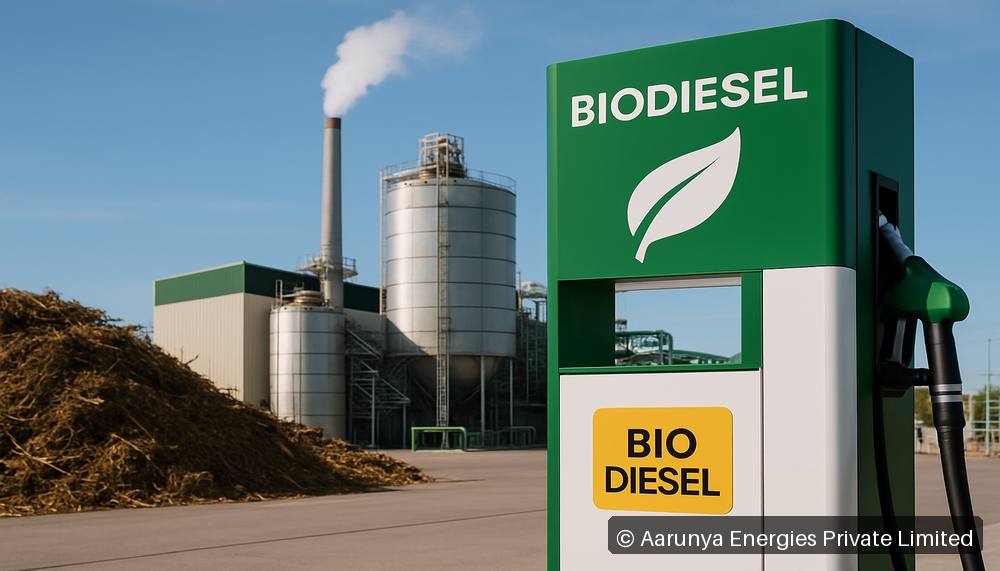
Biodiesel is a form of renewable energy that is produced from vegetable oils, animal fats, or recycled cooking oil. In urban settings, organic waste such as food scraps, agricultural residues, and other biodegradable materials can be effectively converted into biodiesel through processes like anaerobic digestion and transesterification. This not only helps in managing waste but also contributes to the reduction of greenhouse gas emissions, aligning with India's commitment to climate action.
Indian cities can leverage several strategies to tap into the biodiesel potential from urban waste. Firstly, local governments can implement waste segregation policies that encourage residents to separate organic waste from recyclables and non-biodegradable materials. This streamlining of waste can facilitate the efficient collection and processing of feedstock for biodiesel production.
Secondly, public-private partnerships can be established to foster investment in biodiesel facilities. Collaborations between municipal authorities and private enterprises can enable the development of biodiesel plants that utilize urban waste as feedstock, creating jobs and boosting local economies. Such initiatives can be supported by government incentives and subsidies aimed at promoting renewable energy production.
Moreover, educational campaigns can be launched to raise awareness about the benefits of biodiesel and the importance of waste management. By informing citizens about how their waste can contribute to energy production, communities can become more engaged in sustainable practices. Schools, NGOs, and local organizations can work together to promote waste segregation and the use of biodiesel as an eco-friendly alternative to fossil fuels.
The technological advancements in biodiesel production also present promising prospects. Innovations in microbial processes and enzymatic treatments can enhance the efficiency of converting waste into biodiesel. This means that more complex waste streams, such as mixed municipal waste, can be processed to yield high-quality biodiesel. Indian research institutions and universities can play a crucial role by collaborating with industry stakeholders to develop and refine these technologies.
One of the significant benefits of biodiesel is its compatibility with existing diesel engines, which allows for a smoother transition from fossil fuels to renewable energy. Indian transport sectors, especially public transport systems, can greatly benefit from adopting biodiesel as a cleaner fuel option, contributing to reduced air pollution and improved public health.
Additionally, the integration of biodiesel production from urban waste into city planning can enhance energy security. As cities increasingly pursue self-sufficiency in energy production, biodiesel can serve as a local energy source, reducing dependence on imported fossil fuels. This not only supports economic stability but also empowers cities to take charge of their energy futures.
In conclusion, the intersection of biodiesel and urban waste management offers a promising pathway for sustainable development in Indian cities. By harnessing urban waste as a feedstock for biodiesel production, India can address the dual challenges of waste management and energy sustainability. The time is ripe for cities to embrace innovative waste-to-energy initiatives that not only benefit the environment but also contribute to a greener and more sustainable future for all citizens.