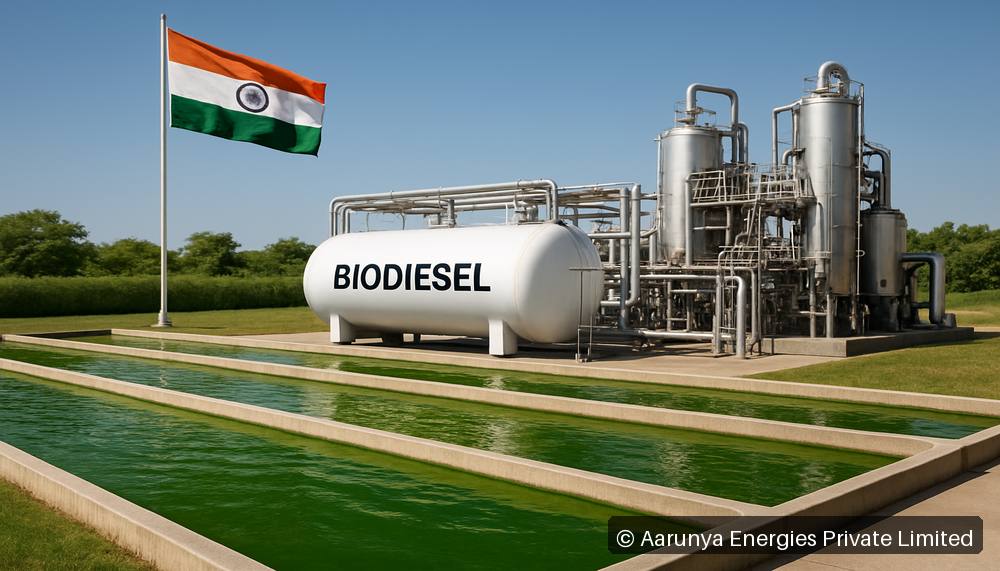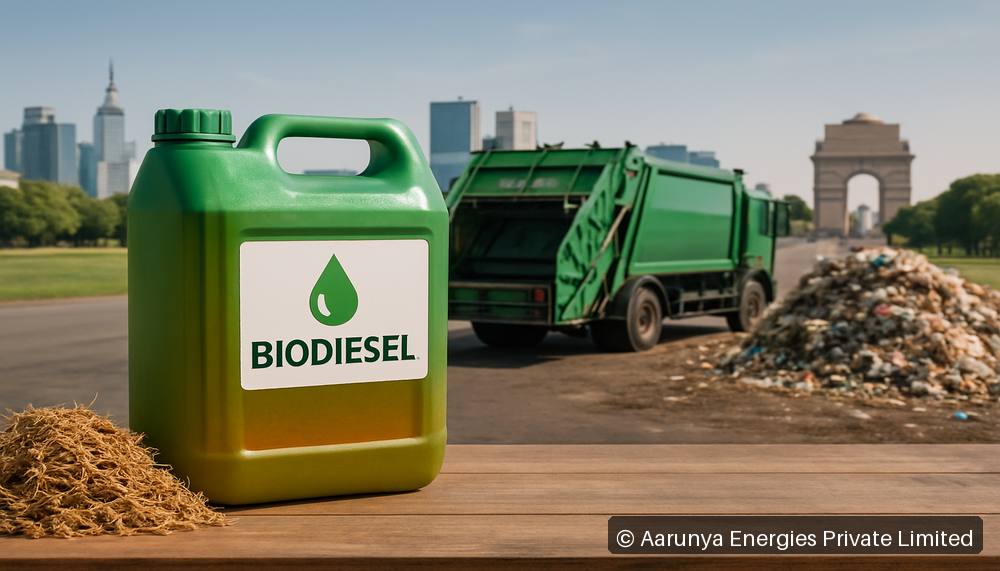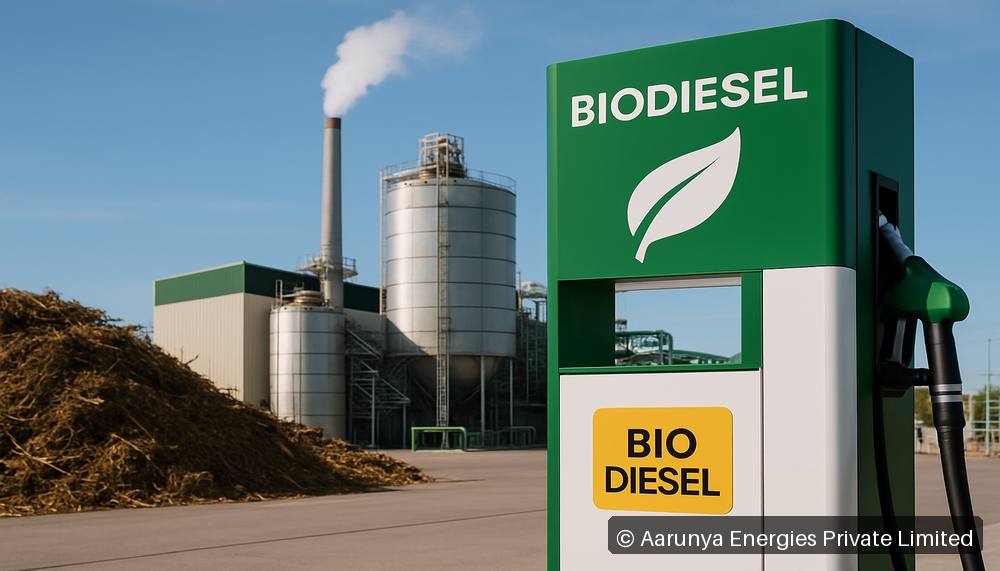
As urban populations continue to swell, the challenges of waste management and energy consumption intensify. In India, where cities are expanding rapidly, the integration of waste-to-energy technologies into the biodiesel sector presents a promising solution. This synergy not only addresses waste disposal issues but also contributes to sustainable energy generation, paving the way for a cleaner and greener future.
Biodiesel is a renewable energy source derived from biological materials, such as vegetable oils and animal fats. In recent years, the focus on biodiesel production has shifted towards innovative methods of utilizing waste materials, particularly in urban environments. The concept of waste-to-energy involves converting municipal solid waste (MSW) into usable energy, which can then be transformed into biodiesel or other biofuels. This approach not only reduces the burden of waste on landfills but also creates a circular economy that benefits both the environment and local communities.
Urban areas in India generate a significant amount of waste, with cities like Mumbai, Delhi, and Bengaluru producing thousands of tons daily. A large portion of this waste is organic, which can be effectively processed through anaerobic digestion or gasification techniques to produce biogas. This biogas can then be upgraded to biomethane and used as a feedstock for biodiesel production. By harnessing the potential of urban waste, cities can transform a liability into an asset, generating clean energy while simultaneously addressing waste management challenges.
The benefits of integrating waste-to-energy systems within the biodiesel framework are manifold. Firstly, it enhances energy security by diversifying the energy mix and reducing reliance on fossil fuels. This is particularly crucial for India, which imports a significant portion of its energy needs. By tapping into local waste resources, the country can not only produce biodiesel domestically but also reduce its carbon footprint.
Moreover, the integration of waste-to-energy technologies contributes to job creation and economic development. Establishing biodiesel production facilities that utilize urban waste can create employment opportunities in waste collection, processing, and energy production. This is especially relevant in developing urban areas where job opportunities may be limited. Additionally, local farmers and businesses can benefit from the availability of biodiesel as a cost-effective and sustainable energy source.
However, the successful implementation of waste-to-energy technologies in urban biodiesel production requires a robust policy framework and investment in infrastructure. The government must play a pivotal role in facilitating this integration by providing incentives for waste-to-energy projects and establishing regulations that promote sustainable practices. Collaborations between public and private sectors, along with community engagement, will be essential in overcoming challenges and ensuring the viability of such initiatives.
Technological advancements also play a crucial role in the future of biodiesel production from waste. Innovative processes, such as enzymatic hydrolysis and advanced thermochemical conversion, can increase the efficiency of converting organic waste into biodiesel. Research and development in these areas should be prioritized to maximize the potential of waste materials and ensure that biodiesel production remains economically viable.
Additionally, public awareness campaigns are vital to educate citizens about the benefits of waste segregation and the importance of sustainable waste management practices. Encouraging households and businesses to separate organic waste from other types of refuse can significantly enhance the quantity and quality of feedstock available for biodiesel production.
In conclusion, the future of biodiesel in India is intrinsically linked to the effective integration of waste-to-energy technologies in urban areas. By leveraging urban waste as a resource, cities can not only tackle waste management issues but also contribute to a sustainable energy future. The collaboration between government, industry, and communities will be key to unlocking the full potential of this approach, ultimately leading to a cleaner, more sustainable environment for generations to come.