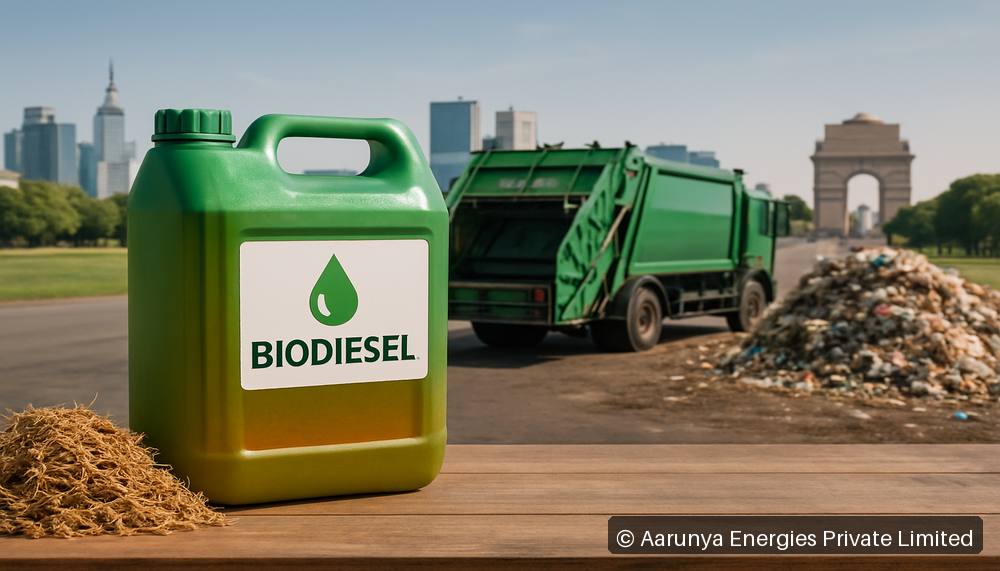
In recent years, the growing concern for environmental sustainability has led to innovative solutions in waste management and renewable energy. One such initiative gaining momentum in India is the conversion of used cooking oil (UCO) into biodiesel. This process not only addresses waste disposal issues but also contributes to the nation’s energy needs, reducing reliance on fossil fuels. In this article, we will delve into the UCO-to-fuel initiative in India, exploring its significance, processes, benefits, and future prospects.
Used cooking oil is a byproduct generated in kitchens, restaurants, and food processing industries. Traditionally, this waste oil has created environmental challenges when disposed of improperly, contributing to pollution and health hazards. However, transforming this waste into biodiesel provides a sustainable solution that aligns with India's vision for a greener future.
The Indian government has recognized the potential of used cooking oil as a feedstock for biodiesel production. The Ministry of Petroleum and Natural Gas launched the UCO-to-fuel initiative to promote the collection and conversion of UCO into biodiesel. This initiative aims to ensure that UCO is collected responsibly and used efficiently, thus minimizing environmental impact while contributing to energy security.
The process of converting used cooking oil into biodiesel involves several steps. Initially, the UCO is collected from various sources, including households, restaurants, and food manufacturing units. This collection is critical, as it ensures that the oil does not end up in landfills or waterways, where it can cause pollution.
Once collected, the UCO undergoes a refining process to remove impurities, such as food particles and moisture. After refining, the oil is subjected to a process called transesterification, which involves reacting the oil with alcohol (usually methanol) in the presence of a catalyst. This chemical reaction produces biodiesel and glycerin, the latter of which can also be repurposed for various applications.
The biodiesel produced from UCO is a renewable and biodegradable fuel that can be used in diesel engines without any significant modifications. This characteristic makes it an attractive alternative fuel option for transportation, agriculture, and industry. Moreover, using biodiesel derived from UCO can significantly reduce greenhouse gas emissions compared to conventional diesel, contributing to India's climate goals.
The UCO-to-fuel initiative not only addresses environmental concerns but also supports local economies. By creating a market for used cooking oil, the initiative encourages waste collectors and processors to participate actively. This engagement leads to job creation and economic development in communities, particularly in rural areas where waste collection and processing are vital for local livelihoods.
Another benefit of the UCO-to-fuel initiative is its potential to enhance energy independence. India is heavily reliant on imported fossil fuels, which poses a significant challenge to its energy security. By converting waste into biodiesel, India can reduce its dependence on imports and promote the use of locally sourced renewable energy.
Moreover, the initiative aligns with the government’s broader goals of promoting biofuels and achieving a sustainable energy mix. The National Policy on Biofuels, introduced in 2018, aims to achieve a blending target of 20% biofuels in petrol and diesel by 2030. The UCO-to-fuel initiative plays a crucial role in achieving this target by providing a viable source of biodiesel.
Despite the numerous advantages, the UCO-to-fuel initiative faces challenges that need to be addressed for its long-term success. Public awareness and participation are crucial in ensuring the effective collection of used cooking oil. Initiatives to educate consumers and businesses about the importance of proper disposal and the benefits of biodiesel are essential. Furthermore, establishing a robust supply chain for UCO collection and biodiesel production is vital for the initiative's sustainability.
In conclusion, India's UCO-to-fuel initiative presents a significant opportunity to transform waste into a valuable resource, contributing to environmental sustainability, energy independence, and economic growth. By harnessing the potential of used cooking oil, India can pave the way for a cleaner, greener future while promoting a circular economy. As the initiative continues to evolve, it is essential for stakeholders, including government agencies, businesses, and consumers, to collaborate and support this transformative journey towards renewable energy.