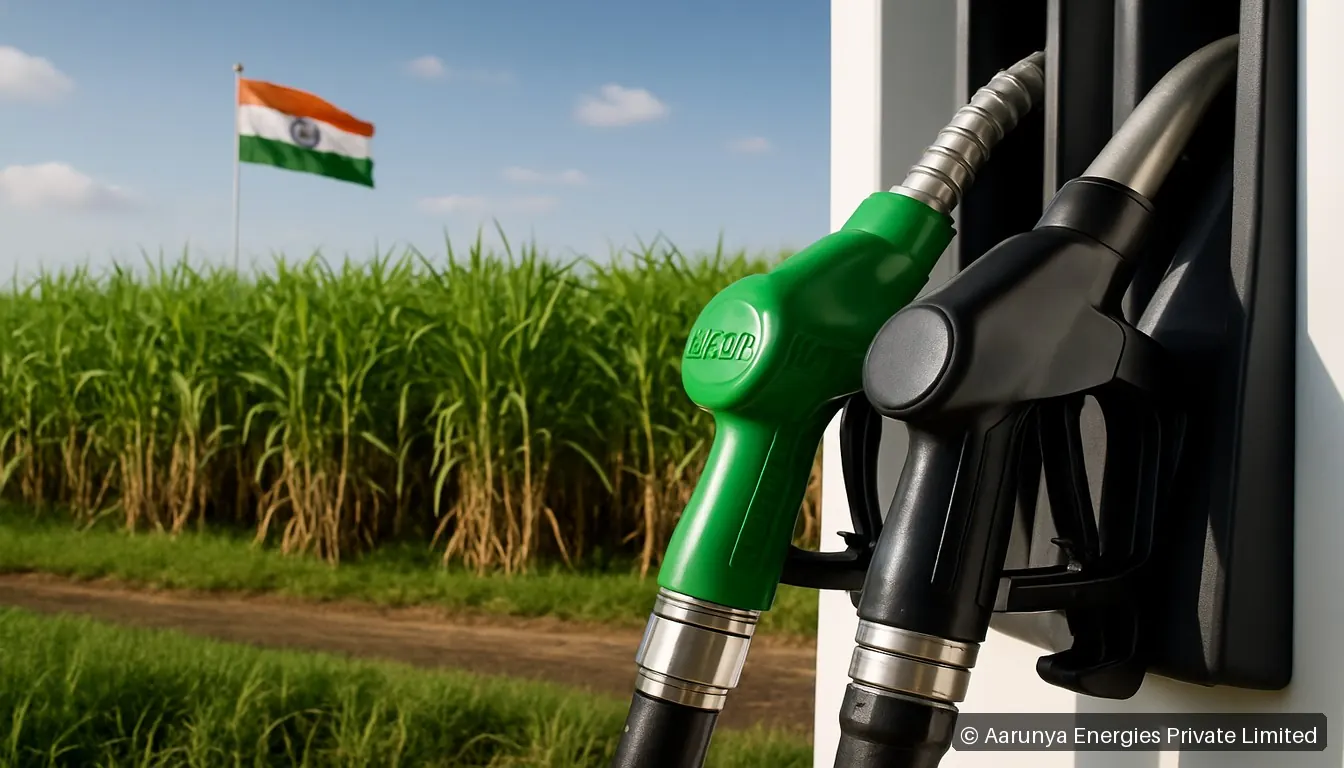
In recent years, the transportation sector in India has been under increasing pressure to reduce its carbon footprint and embrace more sustainable fuel options. Fleet operators are now faced with the critical decision of choosing between biodiesel and petrodiesel. Each fuel type has its own unique characteristics, costs, emissions profiles, and performance metrics that can influence their operational effectiveness.
Biodiesel is a renewable fuel derived from biological sources such as vegetable oils, animal fats, or recycled cooking oil. It is biodegradable and emits lower levels of harmful pollutants compared to conventional petrodiesel, which is derived from fossil fuels. In India, biodiesel production is gaining traction as the government encourages the use of alternative fuels to reduce dependence on imported oil and to promote a greener economy.
When it comes to cost, biodiesel has seen fluctuations depending on feedstock prices and production methods. Currently, the cost of biodiesel can be competitive with petrodiesel, especially when considering the long-term benefits of reduced emissions and government incentives for using renewable energy sources. Fleet operators should consider the total cost of ownership, which includes not only the fuel price but also potential savings on maintenance due to biodiesel's cleaner burning properties.
In terms of emissions, biodiesel has a significant advantage over petrodiesel. Studies indicate that biodiesel can reduce carbon dioxide emissions by up to 78% compared to petrodiesel. Additionally, biodiesel produces lower levels of particulate matter, carbon monoxide, and unburned hydrocarbons. This is particularly important for fleet operators in urban areas, where air quality is a growing concern. By opting for biodiesel, fleet operators can contribute to cleaner air and comply with stringent environmental regulations.
Performance is another critical factor for fleet operators. Biodiesel has a higher cetane number than petrodiesel, which can lead to improved ignition quality and engine performance. However, biodiesel's lower energy density compared to petrodiesel means that fleets may experience a slight decrease in mileage per liter. Nevertheless, many fleet operators have reported that modern diesel engines are compatible with biodiesel blends, thus allowing for flexibility in fuel choices without significant performance loss.
Moreover, the Indian government has been actively promoting biodiesel through various policies and initiatives, which has led to an increase in the availability of biodiesel across the country. The National Biofuel Policy aims to achieve 20% blending of biodiesel by 2030, which presents a significant opportunity for fleet operators to transition towards sustainable fuel options.
In conclusion, the choice between biodiesel and petrodiesel for Indian fleet operators is multifaceted. While biodiesel presents a more sustainable and environmentally friendly option with lower emissions and possible cost benefits, petrodiesel remains a reliable fuel source with established infrastructure. Fleet operators should carefully evaluate their specific needs, taking into account fuel availability, vehicle compatibility, and total cost of ownership when making their decision. As India moves towards a greener future, embracing biodiesel could not only help fleet operators reduce their carbon footprint but also contribute to national energy security and sustainability goals.