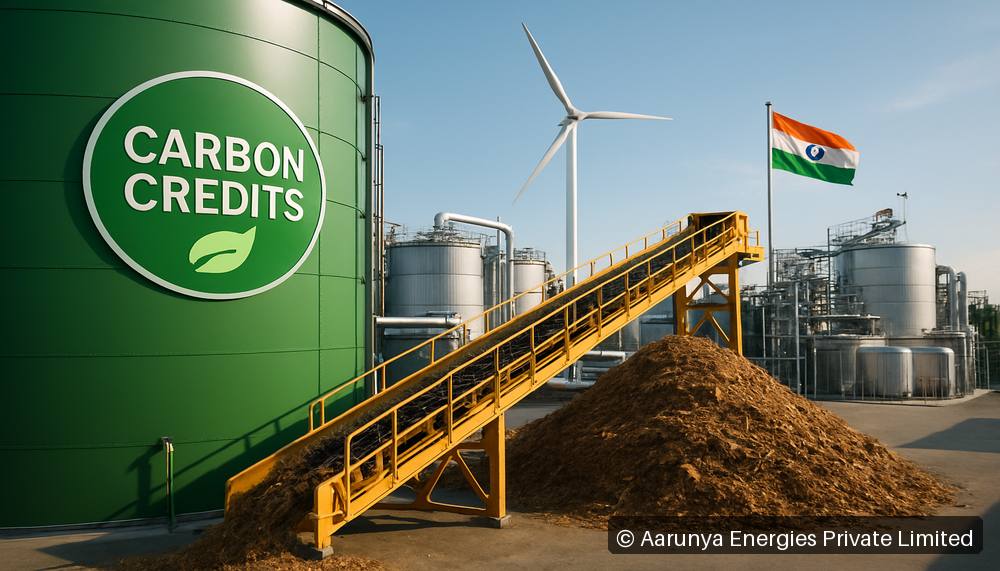
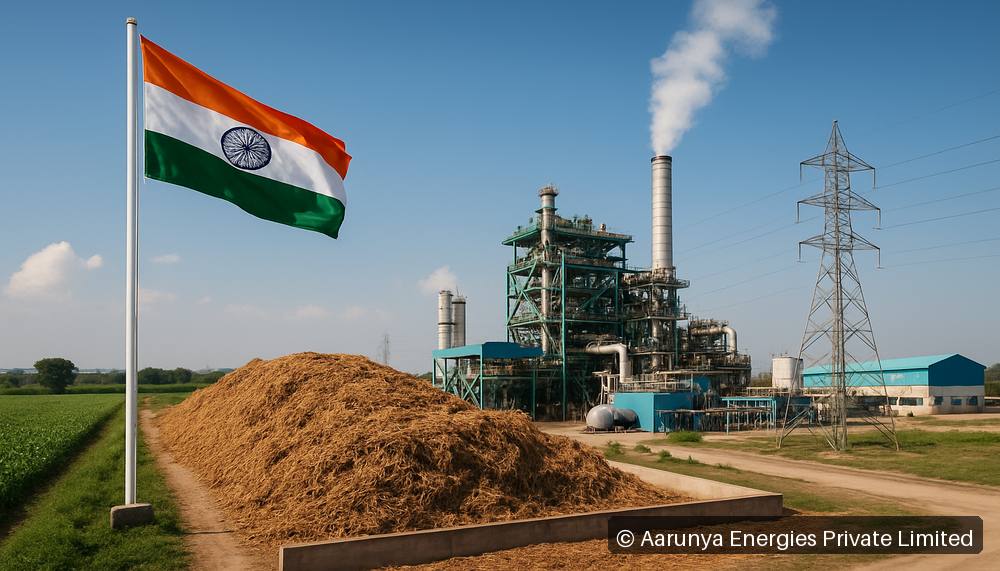
In recent years, the emphasis on reducing carbon emissions has gained significant traction worldwide, particularly in India, where the government is committed to enhancing its renewable energy portfolio. Biomass energy projects offer a unique opportunity for businesses and individuals to contribute to sustainability while generating revenue through verified carbon credits. This article explores how biomass energy projects in India can earn verified carbon credits, enabling stakeholders to maximize their environmental and economic benefits.
Biomass energy refers to energy derived from organic materials, including agricultural residues, forestry waste, and other biodegradable materials. In India, the vast availability of biomass resources makes it an ideal candidate for energy generation. The utilization of biomass not only provides a renewable energy source but also aids in waste management and reduces greenhouse gas emissions.
One of the key financial incentives for establishing biomass energy projects is the ability to earn verified carbon credits. Carbon credits are generated when a project successfully reduces, avoids, or sequesters emissions that would otherwise occur. Under the United Nations Framework Convention on Climate Change (UNFCCC) and various national regulations, a carbon credit typically represents the equivalent of one ton of carbon dioxide (CO2) reduced or removed from the atmosphere.
To earn verified carbon credits, biomass energy projects in India must adhere to specific methodologies set by regulatory bodies. The process generally involves the following steps:
1. **Project Design Document (PDD):** The first step in earning carbon credits is creating a Project Design Document. This document outlines the project's objectives, baseline emissions, expected reductions, and monitoring plans. It serves as a blueprint for the project's environmental and operational strategies.
2. **Baseline Assessment:** A thorough baseline assessment is crucial. It involves calculating the emissions that would occur without the biomass project. This assessment helps establish the project's additionality, which is a critical factor in determining the legitimacy of the carbon credits generated.
3. **Monitoring and Data Collection:** Once the project is operational, regular monitoring is essential. This includes collecting data on biomass feedstock usage, energy output, and emission reductions. Accurate data is vital for verifying the project's performance.
4. **Verification by Third Parties:** After monitoring, an independent third-party verifier reviews the collected data and validates the emission reductions claimed by the project. This verification process is crucial for ensuring transparency and credibility in the carbon credit market.
5. **Issuance of Carbon Credits:** Upon successful verification, the carbon credits are issued by the relevant authority. In India, the Ministry of Environment, Forest and Climate Change plays a significant role in this process. The credits can then be traded in national or international carbon markets, providing a potential revenue stream for project developers.
Biomass energy projects can adopt various methods to increase their carbon credit generation potential. For instance, implementing efficient technologies for biomass conversion, such as gasification or anaerobic digestion, can enhance energy output and reduce emissions. Additionally, promoting sustainable sourcing of biomass feedstock can ensure that projects are environmentally friendly and socially responsible.
Moreover, the Indian government has introduced various policies and incentives to encourage biomass utilization. Initiatives like the National Bioenergy Mission and the Perform, Achieve and Trade (PAT) scheme provide frameworks for biomass energy projects to thrive while contributing to the national renewable energy targets.
The demand for carbon credits is on the rise, driven by increasing awareness of climate change and corporate sustainability goals. Companies aiming to offset their carbon footprints are actively seeking verified carbon credits, providing an economic incentive for biomass energy projects. By participating in the carbon credit market, biomass energy projects can not only improve their financial viability but also play a pivotal role in combating climate change.
In conclusion, biomass energy projects in India are well-positioned to earn verified carbon credits, providing a dual benefit of promoting renewable energy and generating revenue. With the right methodologies and government support, these projects can contribute significantly to the nation's sustainability goals while fostering economic growth. Embracing biomass energy is not just a step towards cleaner energy; it is a commitment to a sustainable future for India.