As the aviation industry grapples with its significant contribution to greenhouse gas emissions, the quest for sustainable solutions has never been more crucial. Among the approaches being considered, carbon offsetting and Sustainable Aviation Fuel (SAF) have emerged as two prominent strategies. Both have their merits and challenges, leading to the question: which is the better path to achieving net-zero aviation?
Carbon offsetting involves compensating for emissions produced by an activity, such as flying, by funding projects aimed at reducing carbon emissions elsewhere. This can include reforestation, renewable energy projects, and carbon capture technologies. The primary advantage of carbon offsetting is its immediate applicability; airlines can purchase carbon credits to offset their emissions without having to change their operational practices significantly.
However, carbon offsetting has been criticized for allowing companies to continue emitting greenhouse gases without fundamentally altering their practices. Critics argue that it may divert attention from the urgent need for systemic changes in the aviation sector. While offsetting can provide a temporary solution, it does not directly reduce emissions at the source, which is essential for long-term climate health.
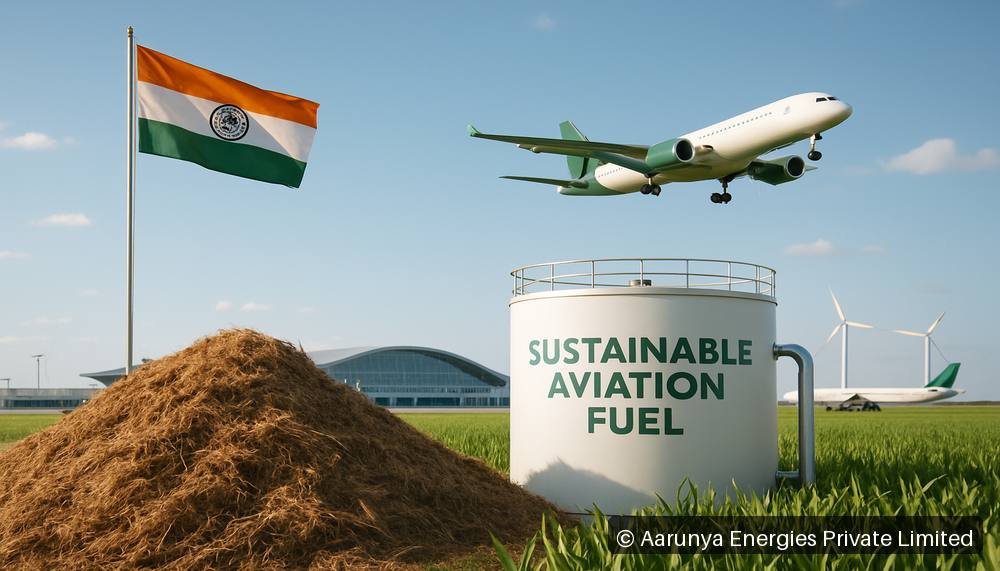
On the other hand, Sustainable Aviation Fuel (SAF) represents a more proactive approach by focusing on reducing emissions at the source. SAF is produced from renewable resources, such as biomass, and has the potential to significantly lower the carbon footprint of aviation. Unlike conventional jet fuel, SAF can reduce lifecycle greenhouse gas emissions by up to 80%, depending on the feedstock and production methods employed.
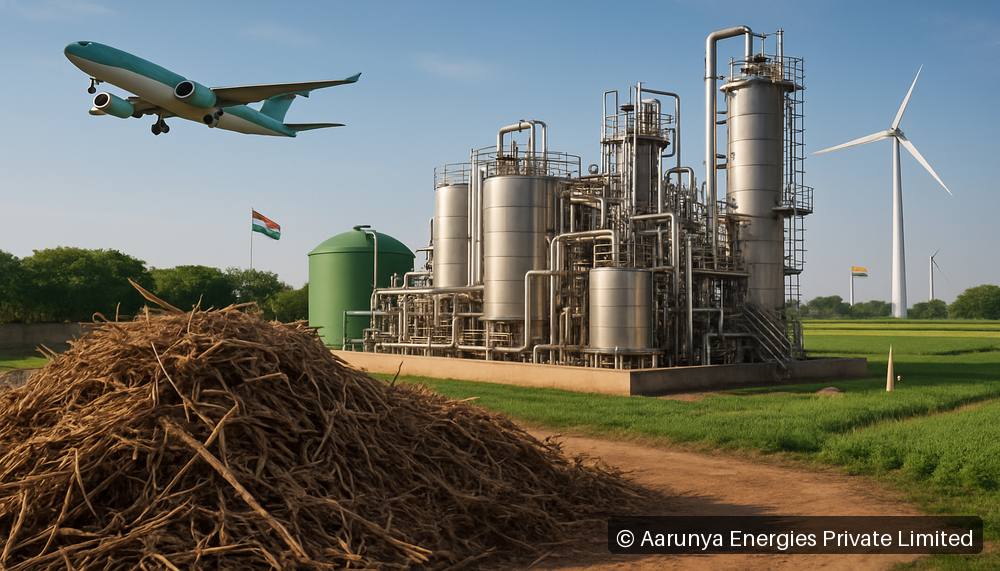
In India, the government has been actively promoting the use of SAF as part of its broader commitment to sustainability and economic growth. Initiatives to develop domestic SAF production facilities are underway, with the aim to utilize agricultural waste and other renewable resources. This not only helps in reducing emissions but also bolsters rural economies by providing additional income streams for farmers and creating jobs in new sectors.
The scalability of SAF production is a crucial factor in its potential impact. While carbon offsetting can be implemented quickly, SAF production requires significant investment in technology and infrastructure. The ongoing development of SAF supply chains is necessary to ensure that airlines can access these fuels at a competitive price. However, as demand for sustainable fuels grows, economies of scale may help bring down costs, making SAF more accessible in the future.
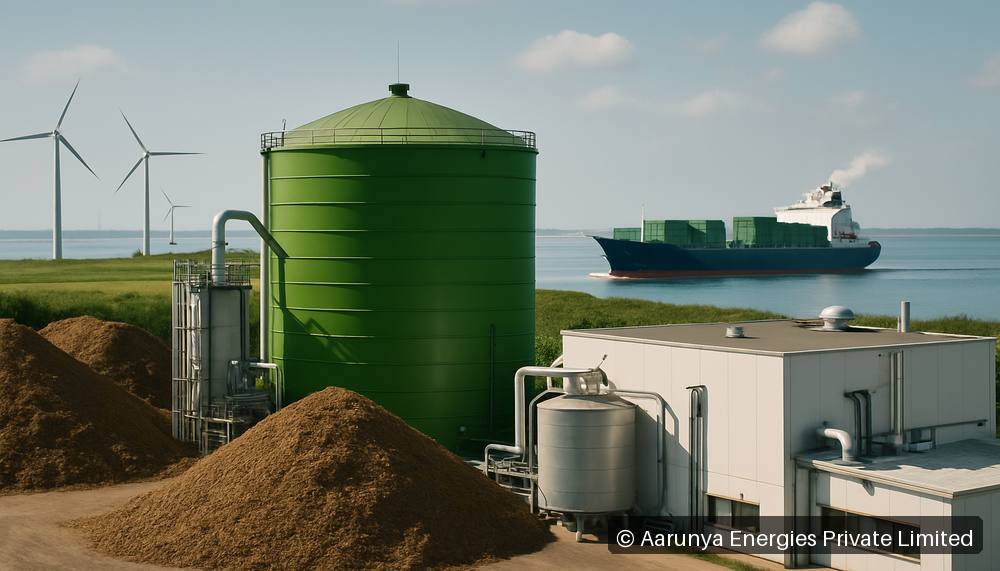
Moreover, SAF not only addresses the emissions associated with flying; it also creates opportunities for innovation in the aviation sector. The development of SAF encourages research and development in biomass energy technologies, leading to advancements in various renewable sectors. This aligns with India’s goals for a sustainable energy future, where biomass, including agricultural residues, plays a pivotal role.
The choice between carbon offsetting and SAF is not merely a question of which is better; it is more about finding a balanced approach. In the immediate term, airlines may find it easier to engage in carbon offsetting as a way to demonstrate commitment to sustainability. However, for a meaningful and lasting impact, investment in SAF and the transition to cleaner fuels is essential.
In conclusion, while both carbon offsetting and SAF have roles to play in the aviation industry's journey toward net-zero emissions, SAF stands out as a more sustainable long-term solution. By focusing on reducing emissions at the source, SAF aligns more closely with global climate goals and offers a pathway to innovation and economic growth in sectors like biomass energy. As India continues to develop its aviation sector, prioritizing SAF could not only help in achieving net-zero emissions but also position the country as a leader in sustainable aviation technologies. The future of aviation lies in sustainable practices, and SAF may very well be the key to unlocking that potential.