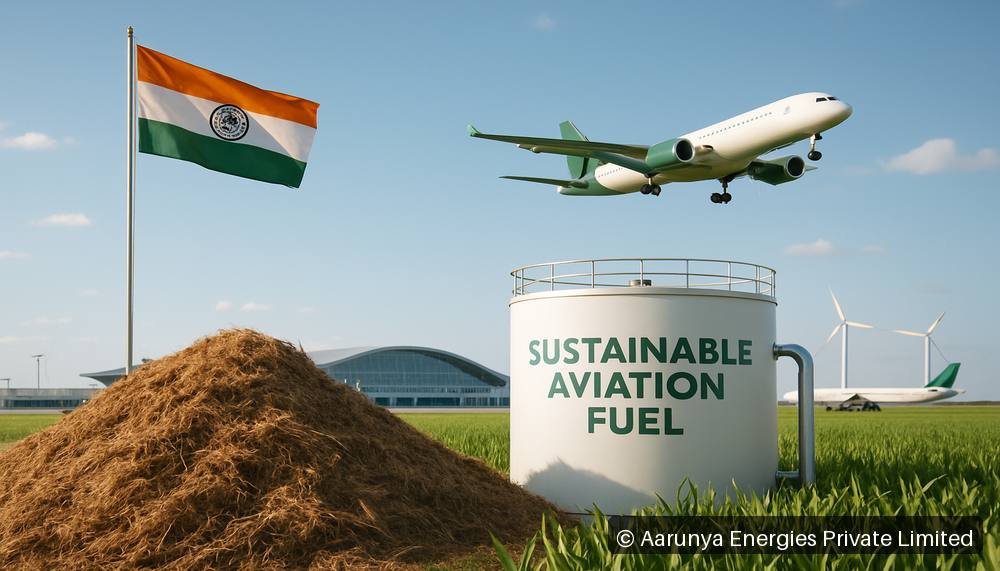
The Carbon Offsetting and Reduction Scheme for International Aviation (CORSIA) is a crucial initiative that aims to reduce greenhouse gas emissions from international aviation. As India continues to strengthen its aviation sector, understanding the implications of CORSIA on domestic airlines is essential. This article delves into how international aviation carbon standards affect Indian airlines and their transition towards sustainable practices, particularly focusing on Sustainable Aviation Fuel (SAF).
CORSIA, established by the International Civil Aviation Organization (ICAO), mandates that airlines offset their emissions above a certain baseline starting from 2021. As India is one of the fastest-growing aviation markets globally, its domestic airlines must navigate the complexities of these regulations while remaining competitive and sustainable. The Indian government has shown a commitment to reducing carbon emissions, aligning with global standards like CORSIA to promote environmental sustainability.
One of the significant impacts of CORSIA on Indian airlines is the increased emphasis on adopting Sustainable Aviation Fuel (SAF). SAF is derived from renewable resources, such as biomass, agricultural residues, and waste products, making it a cleaner alternative to traditional jet fuel. As airlines strive to meet CORSIA’s carbon offset requirements, the demand for SAF is expected to rise. This shift not only aids in compliance with international standards but also positions Indian airlines as leaders in sustainable practices.
The Indian government has been proactive in promoting the use of biofuels, including SAF, in the aviation sector. Initiatives such as the National Policy on Biofuels aim to facilitate the production and use of biofuels, including those for aviation. This aligns with CORSIA's objectives, encouraging Indian airlines to invest in greener technologies and reduce their carbon footprints. By embracing SAF, airlines can significantly lower their emissions, helping them meet the carbon offset requirements under CORSIA.
However, the transition to SAF is not without its challenges. The production of sustainable aviation fuel requires significant investment and infrastructure development. Moreover, the availability of feedstock for SAF production in India is limited, necessitating the exploration of various biomass sources. Companies like Aarunya Energies Private Limited are playing a pivotal role in this space by advancing the production of solid biofuels, such as briquettes and pellets, which can serve as feedstock for SAF.
Furthermore, the Indian aviation sector faces the challenge of balancing growth with sustainability. With the anticipated increase in air travel, airlines must find innovative solutions to meet rising demands while adhering to CORSIA standards. This includes investing in fuel-efficient aircraft, optimizing flight operations, and exploring carbon offset programs.
The implications of CORSIA extend beyond environmental impact; they also influence the economic landscape of domestic airlines. As compliance with carbon standards becomes mandatory, airlines may incur additional costs related to fuel sourcing and carbon offsetting. However, the long-term benefits of adopting sustainable practices can lead to enhanced brand reputation, customer loyalty, and potential financial incentives from government policies aimed at promoting green technologies.
Moreover, as international travelers increasingly prefer airlines committed to sustainability, Indian airlines that proactively adopt CORSIA-compliant practices may gain a competitive edge in the global market. This can attract environmentally conscious travelers, further driving the demand for sustainable aviation solutions.
In conclusion, CORSIA presents both challenges and opportunities for India's domestic airlines. The scheme encourages a significant shift towards sustainable aviation fuel, prompting airlines to rethink their fuel strategies and invest in innovative technologies. As the aviation industry in India evolves, embracing CORSIA's standards will not only contribute to global climate goals but also enhance the sustainability of the Indian aviation sector. By leveraging resources, partnerships, and government initiatives, Indian airlines can successfully navigate the complexities of CORSIA and emerge as leaders in sustainable aviation.