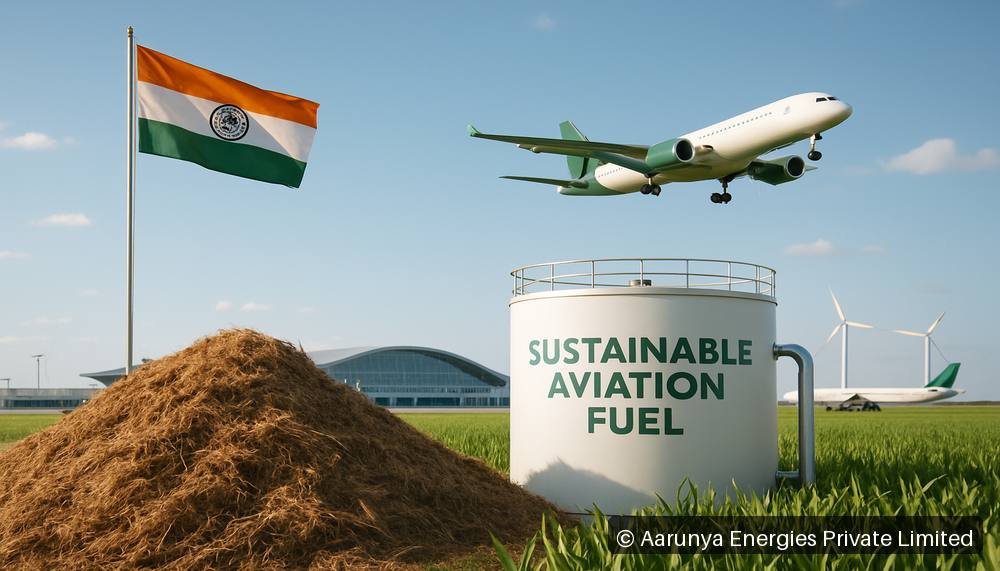
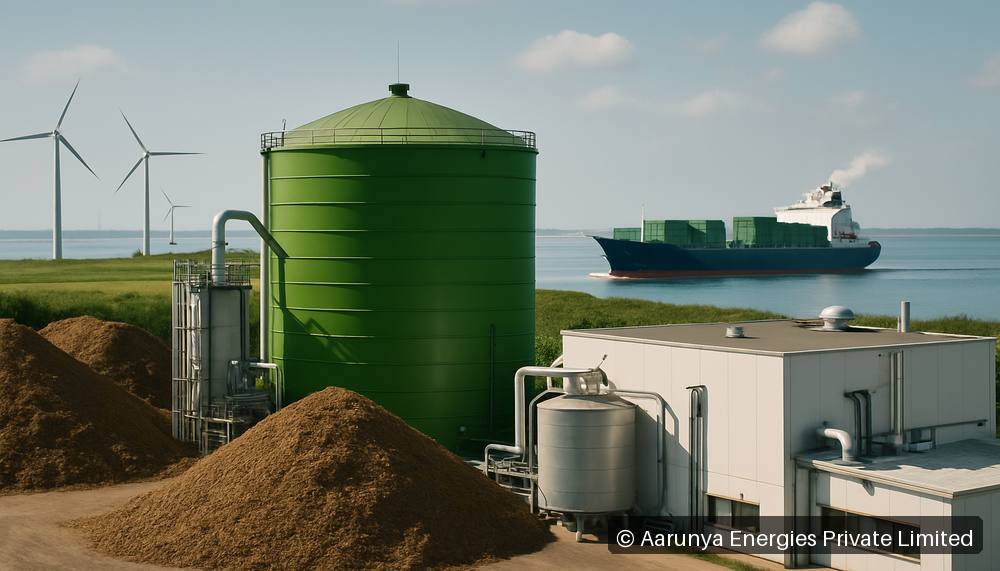
Sustainable Aviation Fuel (SAF) has emerged as a pivotal solution in the quest for greener aviation. As global awareness around climate change intensifies, the aviation sector is under pressure to significantly reduce its carbon footprint. SAF offers a promising alternative to conventional fossil fuels, providing a pathway to lower greenhouse gas emissions while utilizing existing aircraft engines. In this article, we will explore how SAF is made, the various feedstocks involved, the production pathways, and the manufacturing potential in India.
SAF is primarily derived from sustainable feedstocks, which are renewable and can be replenished over time. These feedstocks can be categorized into several types, including biomass, waste oils, and agricultural residues. Biomass feedstocks, such as wood chips, agricultural byproducts, and energy crops, are particularly significant in the context of India, where agricultural production is abundant. Waste oils from cooking and industrial processes are also valuable as they contribute to a circular economy by converting waste into usable energy.
The production pathways for SAF can broadly be classified into three categories: biochemical, thermochemical, and hybrid processes. Each pathway employs different technologies and methods to convert feedstocks into aviation fuel.
1. **Biochemical Pathways**: These processes utilize biological organisms or enzymes to convert feedstocks into hydrocarbons. The most common biochemical method is fermentation, where sugars derived from biomass are fermented by microorganisms to produce ethanol, which can then be further processed into SAF. In India, the abundance of sugarcane and other carbohydrate-rich crops makes this pathway particularly attractive, as it can leverage local agricultural resources.
2. **Thermochemical Pathways**: This approach involves heating biomass in the presence of limited oxygen to produce synthetic fuels. One of the most promising thermochemical processes is gasification, where biomass is converted into syngas (a mixture of hydrogen and carbon monoxide), which can then be catalytically transformed into jet fuel. India’s vast agricultural residues, such as rice husks and straw, can be utilized effectively in this pathway, turning waste into valuable fuel.
3. **Hybrid Processes**: Combining elements from both biochemical and thermochemical pathways, hybrid processes can optimize the production of SAF. For instance, integrating gasification with fermentation can enhance efficiency and yield. This innovative approach could be particularly beneficial for India's diverse feedstock availability, allowing for maximum utilization of resources.
India's manufacturing potential for SAF is significant, driven by both domestic demand and the global push towards sustainable energy solutions. The Indian government has set ambitious targets for reducing carbon emissions and increasing the share of renewable energy in its energy mix. The aviation sector, which is a major contributor to carbon emissions, is a focal point for these initiatives.
Moreover, India's extensive agricultural base provides an abundant supply of feedstocks that can be converted into SAF. Crop residues, such as wheat straw and sugarcane bagasse, can be sourced locally, reducing transportation costs and contributing to rural economies. By investing in SAF production facilities, India can create jobs and stimulate growth in the green energy sector.
Investment in research and development is crucial to enhance SAF production technologies. Collaborations between government, academia, and the private sector can drive innovation, making production processes more efficient and cost-effective. Additionally, policy frameworks that support the growth of SAF, such as incentives for using sustainable feedstocks and funding for technology development, are essential to foster a thriving SAF industry in India.
In conclusion, Sustainable Aviation Fuel represents a viable solution to reduce the environmental impact of the aviation sector. By utilizing various feedstocks and production pathways, India has the potential to become a leader in SAF manufacturing. With the right investments and supportive policies, India can harness its agricultural resources and innovative technologies to contribute to a sustainable future in aviation, aligning with global sustainability goals while benefiting the local economy.