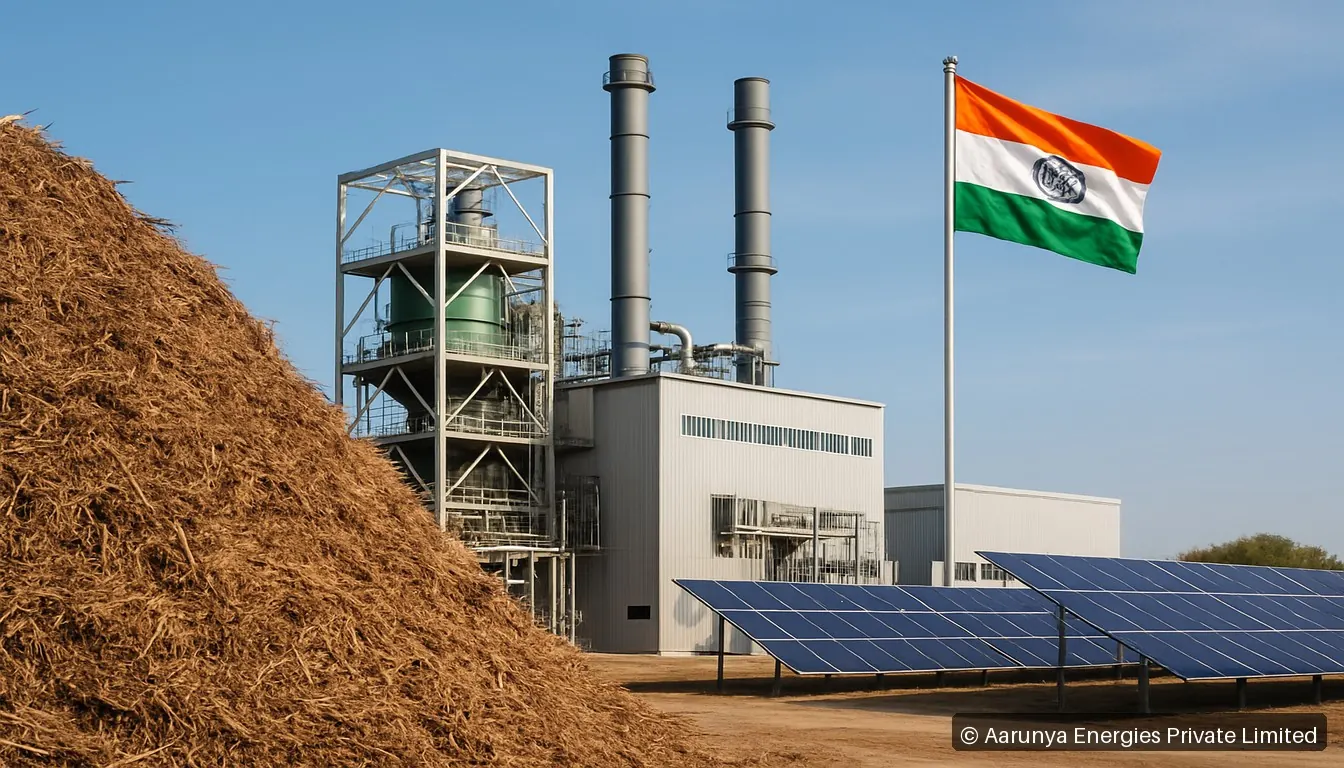
India is preparing to formally introduce trading in its domestic carbon market within the next four months, signaling a significant move in its climate strategy and emissions reduction roadmap. The announcement was made by Union Power Minister Manohar Lal Khattar during the Bharat Electricity Summit 2026 held in New Delhi.
The upcoming framework will require businesses to register before participating in carbon credit trading. Once operational, the system will allow organizations that reduce emissions beyond their targets to sell excess carbon credits, while those unable to meet their limits can purchase these credits to stay compliant. This market-driven approach is expected to create financial incentives for industries to adopt cleaner and more efficient practices.
The initiative is part of India's broader effort to balance economic growth with environmental responsibility. By introducing a structured carbon trading mechanism, the government aims to encourage industries to actively participate in emission reduction while providing flexibility in achieving compliance targets.
Highlighting the urgency of climate action, the minister noted that global temperatures have already risen by approximately 1.4 degrees Celsius compared to pre-industrial levels, with recent years ranking among the warmest on record. These developments reinforce the need for stronger policies and innovative solutions to address climate challenges.
India has committed to achieving net zero emissions by 2070 under its international climate commitments. To support this goal, the country is rapidly expanding its renewable energy capacity and implementing policy reforms designed to promote sustainability across sectors.
As part of the compliance mechanism, emission intensity targets have been assigned to nearly 490 entities starting from 2026. These companies will be required to reduce their carbon footprint, with the carbon market offering a flexible pathway to meet these requirements through trading.
The government's earlier initiative, the Perform Achieve and Trade (PAT) scheme, has already demonstrated the effectiveness of market-based mechanisms. Covering over 1,300 industries, the scheme has contributed to a reduction of approximately 110 million tonnes of carbon dioxide emissions while significantly improving energy efficiency across sectors.
In addition to carbon trading, several complementary measures are being implemented to strengthen the energy ecosystem. These include the rollout of smart meters, promotion of green open access, and adoption of time-of-day tariffs. India plans to install around 200 million smart meters to enhance energy efficiency and support better demand management.
The carbon market is being viewed as a strategic national asset that can drive innovation and open new opportunities for businesses working in clean technology and sustainability solutions. By creating a structured platform for carbon trading, the initiative is expected to attract investment, encourage entrepreneurship, and accelerate the transition to low-carbon technologies.
India continues to play an active role in global climate discussions, supporting international efforts to expand renewable energy adoption and reduce emissions. Through initiatives aligned with global frameworks, the country aims to position itself as a key contributor to the global energy transition while maintaining its long-term development priorities.
With the introduction of carbon market trading, India is taking a decisive step toward integrating environmental responsibility with economic growth, paving the way for a more sustainable and resilient future.