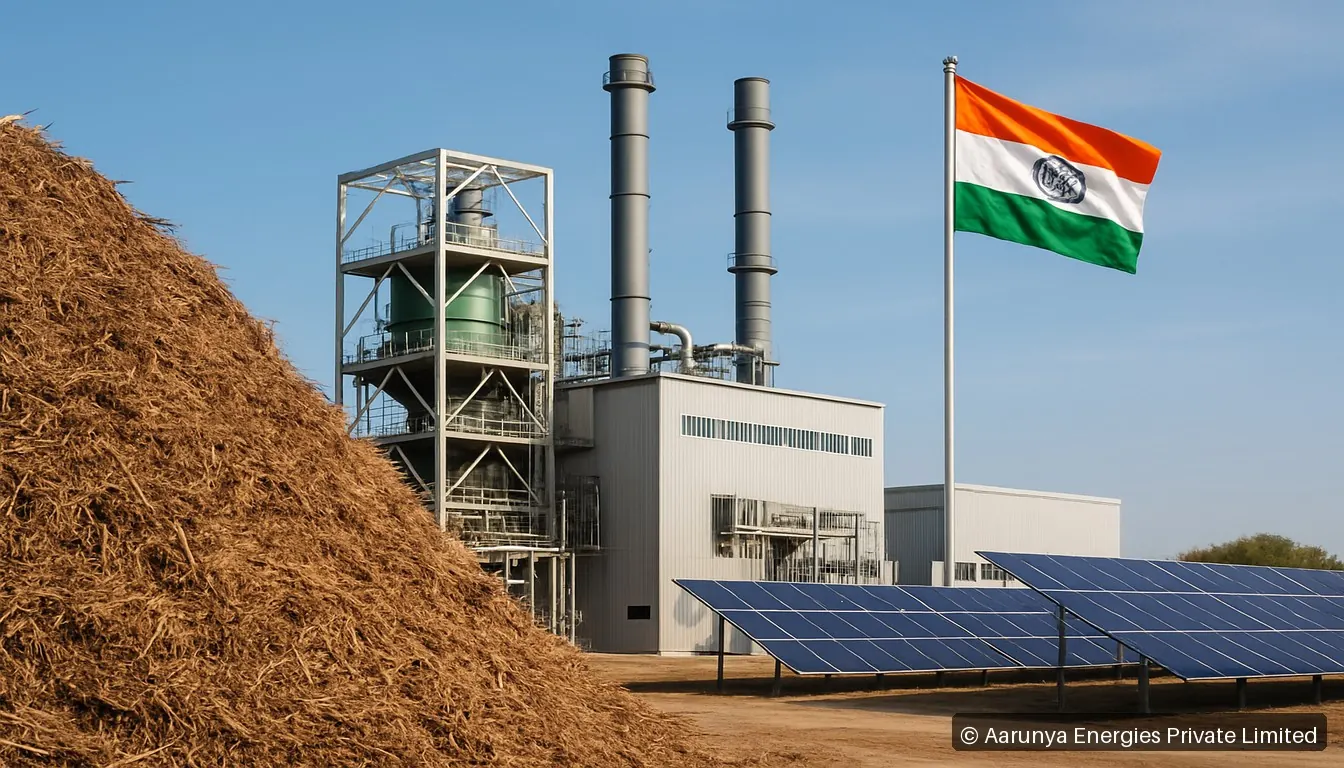
In November 2021, Indian Prime Minister Narendra Modi announced a bold commitment at the COP26 summit to achieve net zero carbon emissions by 2070. This ambitious target aims to align India’s energy sector with global climate goals and represents a significant shift in the country's approach to energy production and consumption. Central to this transition is the role of bioenergy, a renewable energy source derived from organic materials that can help India navigate its path towards sustainability while addressing energy security.
Bioenergy encompasses a range of products, including solid biofuels like briquettes and pellets, as well as biogas and biofuels derived from agricultural and forestry residues. Given India's substantial agricultural base, which produces vast amounts of biomass waste, bioenergy is not only a sustainable option but also one that can create jobs and stimulate rural economies. By utilizing existing resources, India can reduce its dependence on fossil fuels and decrease greenhouse gas emissions, thus making significant progress toward its net zero commitment.
The potential for bioenergy in India is immense. According to the Indian Renewable Energy Development Agency (IREDA), bioenergy can contribute significantly to India's energy mix, with estimates suggesting that biomass could provide around 10% of the total energy requirement by 2030. This potential is particularly relevant in rural areas, where access to clean and affordable energy remains a challenge. Biomass energy can provide a reliable energy source for cooking and heating, while also enabling small-scale industries to thrive.
Solid biofuels, such as briquettes and pellets, are particularly advantageous due to their high energy density and lower emissions compared to traditional fuels like coal and firewood. They can be produced from agricultural residues, forestry waste, and even municipal solid waste, offering a sustainable solution to waste management while generating clean energy. The Indian government is already promoting the use of biomass briquettes and pellets through various initiatives, encouraging industries to switch from fossil fuels to these greener alternatives.
In addition to solid biofuels, biogas production presents another opportunity for India to harness bioenergy. Biogas plants can convert organic waste into methane, a clean fuel that can be used for cooking and electricity generation. This not only reduces waste but also mitigates methane emissions from landfills, a potent greenhouse gas. The National Biogas and Manure Management Programme aims to promote biogas utilization, particularly in rural households, thereby enhancing energy access and improving living standards.
However, the transition to a bioenergy-based system is not without challenges. Issues such as the availability of feedstock, technology gaps, and the need for investment in infrastructure must be addressed to scale up bioenergy production effectively. The Indian government, along with private players, must invest in research and development to innovate and improve bioenergy technologies. Additionally, creating awareness and providing training for farmers and local entrepreneurs will be essential for fostering a robust bioenergy sector.
India's commitment to achieving net zero emissions by 2070 is an ambitious yet necessary goal to combat climate change. Bioenergy will play a pivotal role in this transition, offering a sustainable and locally sourced energy solution that aligns with India's developmental needs. By embracing bioenergy, India can not only reduce its carbon footprint but also enhance energy security, create jobs, and drive economic growth.
In conclusion, as India moves towards its net zero target, the integration of bioenergy into the energy mix will be crucial. With its vast potential and multiple benefits, bioenergy stands out as a key player in India's journey to a sustainable and clean energy future. The path ahead will require collaboration between the government, industries, and communities to unlock the full potential of bioenergy, ensuring a greener and more resilient India for generations to come.