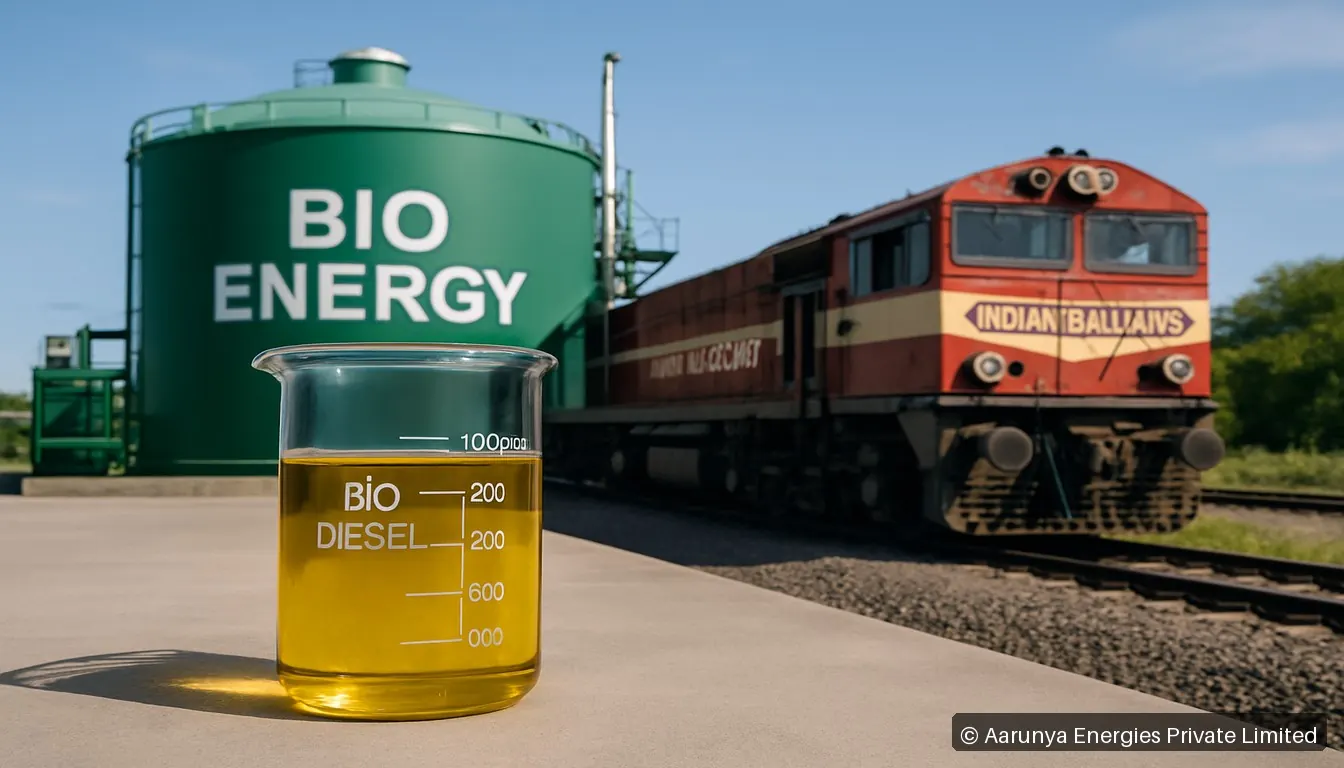
Indian Railways, one of the largest railway networks in the world, is making significant strides in adopting sustainable practices. A notable initiative is its use of biodiesel blends in locomotives, aimed at reducing fuel costs and minimizing environmental impact. This strategic move not only aligns with the government’s broader objective of promoting renewable energy but also signals a shift towards more eco-friendly transportation solutions.
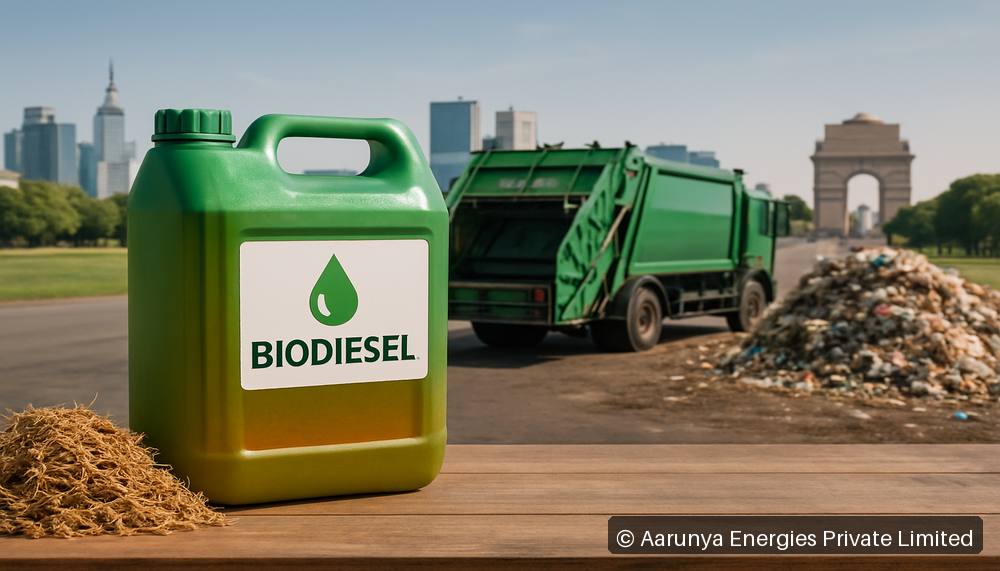
Biodiesel, a renewable alternative to conventional diesel, is derived from various organic sources, including vegetable oils and animal fats. In India, the production of biodiesel has gained traction, with various farmers and companies engaged in cultivating oilseed crops specifically for biodiesel production. This development supports the rural economy while contributing to the nation's energy security.
Indian Railways has started blending biodiesel with traditional diesel in its locomotives. The blends typically consist of 20% biodiesel and 80% conventional diesel, known as B20. This initiative has been piloted in different zones across the railway network, demonstrating promising results in terms of both fuel efficiency and emissions reduction. The blending of biodiesel plays a critical role in decreasing dependence on fossil fuels, which is crucial given the rising fuel prices that have impacted operational costs.
One of the key benefits of using biodiesel blends is the significant reduction in harmful emissions. When biodiesel is combusted, it produces fewer particulates, carbon monoxide, and unburned hydrocarbons compared to traditional diesel fuels. This translates to cleaner air and a reduced carbon footprint for Indian Railways, which is crucial in light of India's commitment to combat climate change.
The Indian government has set ambitious targets for reducing greenhouse gas emissions as part of its Nationally Determined Contributions under the Paris Agreement. By incorporating biodiesel into its operations, Indian Railways is not only supporting these targets but also enhancing its public image as a responsible entity committed to sustainability. The initiative aligns with the government's push for the adoption of biofuels, which are seen as a vital component for achieving energy independence and environmental sustainability.
Financially, the use of biodiesel blends offers a dual advantage. Firstly, it helps mitigate the impact of fluctuating fossil fuel prices, providing Indian Railways with a more stable and predictable fuel cost structure. Secondly, the procurement of biodiesel from local sources stimulates economic growth in rural areas, creating jobs and promoting sustainable agriculture.
Furthermore, Indian Railways is actively involved in research and development to explore the potential of using higher blends of biodiesel, which could lead to even greater emissions reductions. Trials are underway to assess the feasibility of using B100, which consists of 100% biodiesel. If successful, this could revolutionize the way Indian Railways operates, significantly cutting down its carbon emissions and paving the way for a greener future.
The implementation of biodiesel blends is part of a broader strategy by Indian Railways to enhance energy efficiency. The organization is exploring various renewable energy sources, including solar and wind energy, to further reduce its reliance on fossil fuels. By integrating renewable energy into its operations, Indian Railways aims to become a leading player in sustainable transportation within India.
In conclusion, the integration of biodiesel blends by Indian Railways represents a significant step towards sustainable transportation in India. By reducing fuel costs and emissions, this initiative not only supports the government’s renewable energy goals but also benefits the environment and the economy. As Indian Railways continues to innovate and adapt to the challenges posed by climate change, it sets an example for other sectors to follow, showcasing the potential of biodiesel as a viable alternative to traditional fuels.