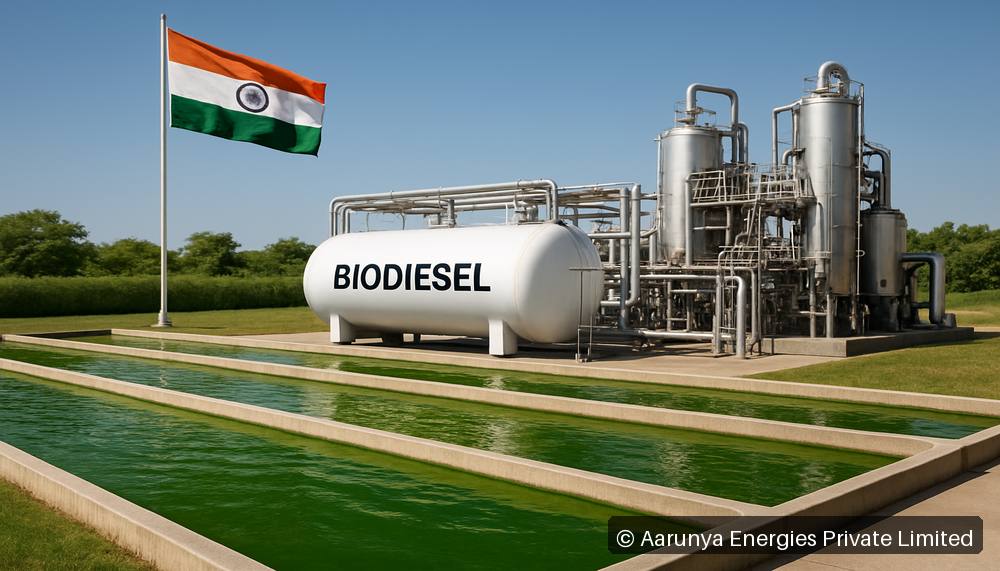
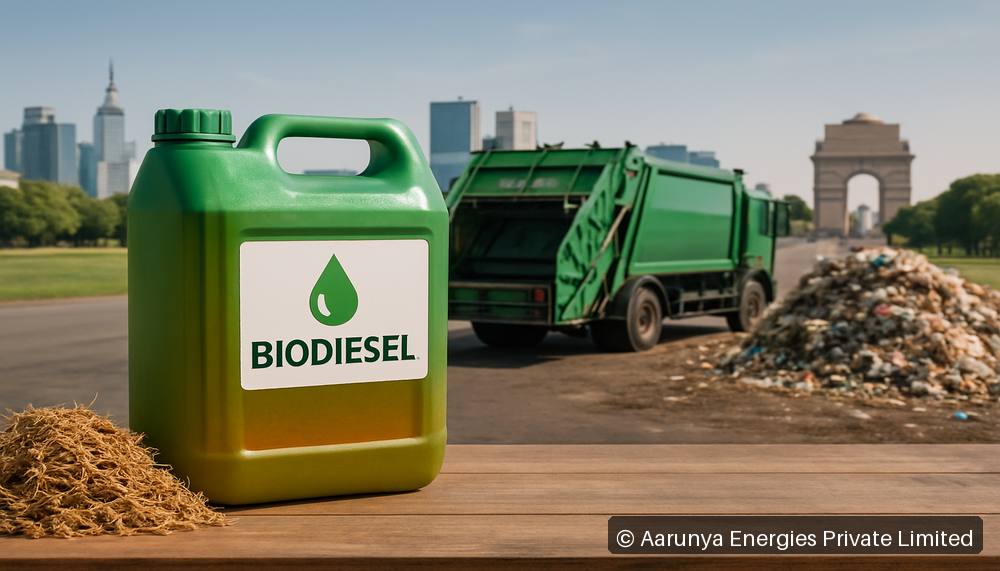
India is at the forefront of adopting renewable energy solutions, with biodiesel playing a crucial role in its energy strategy. The government's biodiesel blending mandate aims to reduce reliance on fossil fuels, enhance energy security, and promote sustainable agricultural practices. This article delves into the current status of the biodiesel blending mandate in India and the ambitious targets set for 2030.
The biodiesel blending mandate is part of India’s National Biofuel Policy, which was first introduced in 2018. Under this policy, the government has set a target to blend 5% biodiesel with diesel by 2030. This initiative is crucial in the backdrop of India's energy needs, as the country is one of the largest consumers of diesel worldwide. The ongoing reliance on fossil fuels poses significant challenges, including air pollution and greenhouse gas emissions, making the transition to biodiesel more urgent.
As of now, the biodiesel blending percentage in India is still below the mandated target. The current blending levels hover around 2% to 3%, primarily due to various challenges faced in the production and supply chain of biodiesel. The availability of feedstock is one of the main issues, as biodiesel production relies heavily on oilseeds like palm oil, soybean oil, and waste cooking oils. The government has recognized this challenge and is actively working to enhance feedstock availability by promoting oilseed cultivation and providing incentives to farmers.
In addition to feedstock issues, the infrastructure for biodiesel distribution is still underdeveloped in many regions. The establishment of biodiesel refineries and distribution networks is crucial for achieving the blending targets. The government is encouraging private sector investment in biodiesel production and distribution, aiming to create a robust supply chain that can support the increasing demand for biodiesel.
India's commitment to achieving 5% biodiesel blending by 2030 is further reinforced by its international obligations to reduce carbon emissions, as outlined in the Paris Agreement. The country is also exploring advanced biofuels that can offer higher efficiency and lower environmental impact. Research and development in this sector are vital to discover innovative solutions that can further enhance biodiesel production.
The road to achieving the 2030 targets is not without its challenges. There are concerns about the sustainability of feedstock sourcing and the impact on food security. The government is thus focusing on promoting second-generation biofuels derived from non-food feedstocks, such as agricultural residues and waste materials. This approach not only provides a sustainable source of biodiesel but also helps in waste management and reducing greenhouse gas emissions.
Public awareness and acceptance are also key factors in the successful implementation of the biodiesel blending mandate. Educating consumers about the benefits of biodiesel, such as its lower carbon footprint and potential cost savings, will be essential in driving demand. The government and industry stakeholders need to work collaboratively to create awareness campaigns that inform the public about the advantages of biodiesel.
In summary, while India’s biodiesel blending mandate is currently facing several challenges, the government's commitment to achieving a 5% blending target by 2030 is a positive step toward a sustainable energy future. Enhancing feedstock availability, developing infrastructure, and fostering public awareness will be critical in overcoming these hurdles. As India continues to invest in renewable energy solutions, the role of biodiesel will be pivotal in transforming the energy landscape and contributing to a cleaner, greener future for the nation.