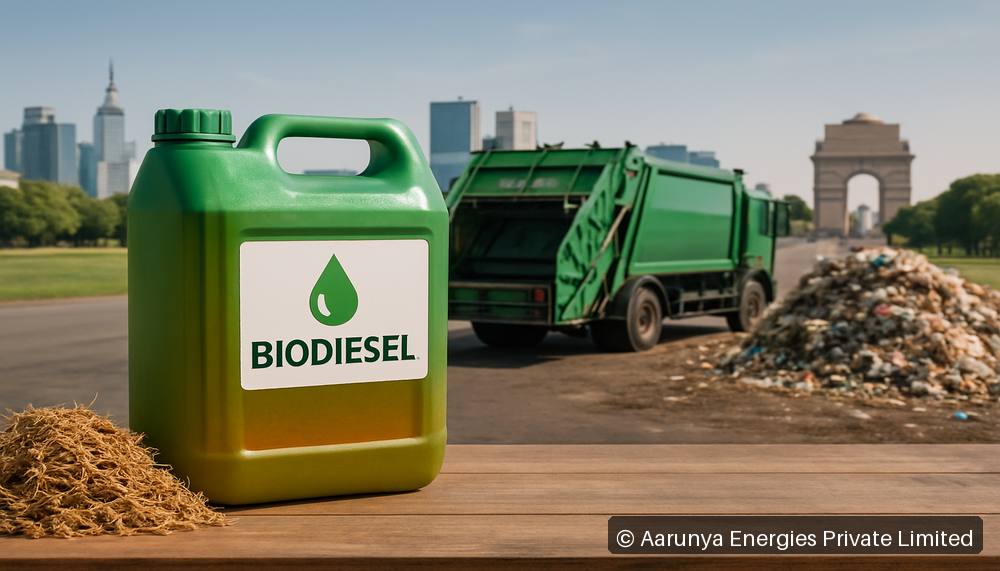
Jatropha curcas, a plant native to Central America and widely cultivated in India, has long been touted as a potential source of biodiesel. With its ability to thrive in arid conditions and its high oil yield, Jatropha was seen as a promising solution to India's energy crisis and a viable alternative to fossil fuels. However, despite significant investments and enthusiasm in the early 2000s, Jatropha-based biodiesel has struggled to gain traction in the Indian market. This article delves into the reasons behind these challenges and explores what the future may hold for this biofuel.
One of the primary reasons for the struggle of Jatropha-based biodiesel in India is the inconsistency in seed yield and oil content. Initial studies suggested that Jatropha seeds could yield up to 40% oil, making it an attractive option for biodiesel production. However, many farmers reported far lower yields in real-world conditions. Factors such as soil quality, weather conditions, and agricultural practices can significantly impact the growth and productivity of Jatropha plants. As a result, many farmers became disillusioned, leading to decreased cultivation and investment in Jatropha plantations.
Additionally, the lack of a robust supply chain for Jatropha cultivation and processing has hindered the biodiesel industry. Unlike conventional crops, Jatropha requires a well-structured supply chain to ensure that seeds are collected, processed, and converted into biodiesel efficiently. The absence of adequate infrastructure has resulted in logistical challenges, making it difficult for producers to scale up operations and compete with fossil fuels. Furthermore, the market for biodiesel, particularly Jatropha biodiesel, has not been well established, leading to uncertainties in pricing and demand.
Government policies have also played a critical role in the challenges faced by Jatropha-based biodiesel in India. While there was once a strong push for biofuels, including Jatropha biodiesel, the focus has shifted over the years toward other renewable energy sources. The National Biofuel Policy was introduced to promote the use of biofuels, but the implementation has been inconsistent. The lack of incentives for farmers to cultivate Jatropha and the absence of financial support for biodiesel producers have made it challenging for the industry to thrive.
In contrast, other forms of renewable energy, such as solar and wind, have seen significant growth in India. The government’s emphasis on solar energy projects and investments in wind energy infrastructure have diverted attention and resources away from biodiesel initiatives, further complicating the landscape for Jatropha. With the global push for greener energy solutions, India has a unique opportunity to reassess its approach to Jatropha biodiesel.
Despite these challenges, there is still hope for Jatropha-based biodiesel in India. As the country moves toward achieving its climate goals and reducing dependence on fossil fuels, there is a renewed interest in alternative energy sources. Research and development efforts are underway to improve seed varieties and agricultural practices to enhance the overall yield of Jatropha crops. Advances in biotechnology may also offer solutions, such as genetically modified Jatropha plants that can produce higher oil content and are more resistant to pests and diseases.
Moreover, integrating Jatropha cultivation with existing agricultural practices could yield positive results. By intercropping Jatropha with food crops, farmers can benefit from additional income while contributing to the biodiesel supply chain. This approach could help revitalize interest in Jatropha cultivation, turning it into a sustainable agricultural practice rather than a standalone crop.
The future of Jatropha-based biodiesel in India will also depend on supportive government policies. Creating a favorable environment for biodiesel production, including financial incentives, subsidies, and a clear regulatory framework, could encourage investment and foster growth in the sector. Additionally, educating farmers about the benefits of Jatropha cultivation and providing them with the necessary resources and training could facilitate a resurgence in interest.
In conclusion, while Jatropha-based biodiesel in India has faced significant hurdles, the potential for revitalization exists. By addressing the challenges of yield inconsistency, supply chain inefficiencies, and policy support, Jatropha can play a crucial role in India's renewable energy landscape. As the country strives for sustainability, revisiting and nurturing the Jatropha biodiesel initiative may offer a pathway to a greener future.