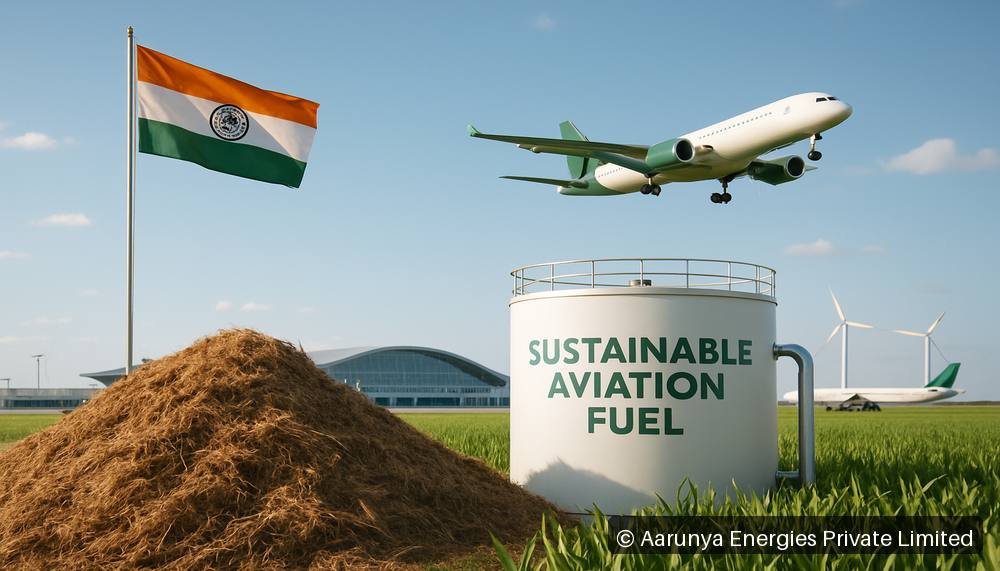
Sustainable Aviation Fuel (SAF) has emerged as a significant player in the global energy landscape, especially in the quest for reducing carbon emissions in aviation. In India, where agriculture plays a pivotal role in the economy, there lies an untapped opportunity to produce SAF from agricultural residues, particularly wheat straw and rice husk. This article delves into the potential of these residues in generating SAF and the benefits they can bring to India's renewable energy sector.
India is one of the largest producers of wheat and rice in the world. As a result, the country generates substantial amounts of agricultural waste, with wheat straw and rice husk being the most prominent. According to estimates, India produces approximately 140 million tons of wheat straw and around 25 million tons of rice husk annually. Unfortunately, a significant portion of this biomass is often burned in fields, contributing to air pollution and health hazards. However, these residues can be transformed into valuable resources for sustainable energy production, particularly SAF.
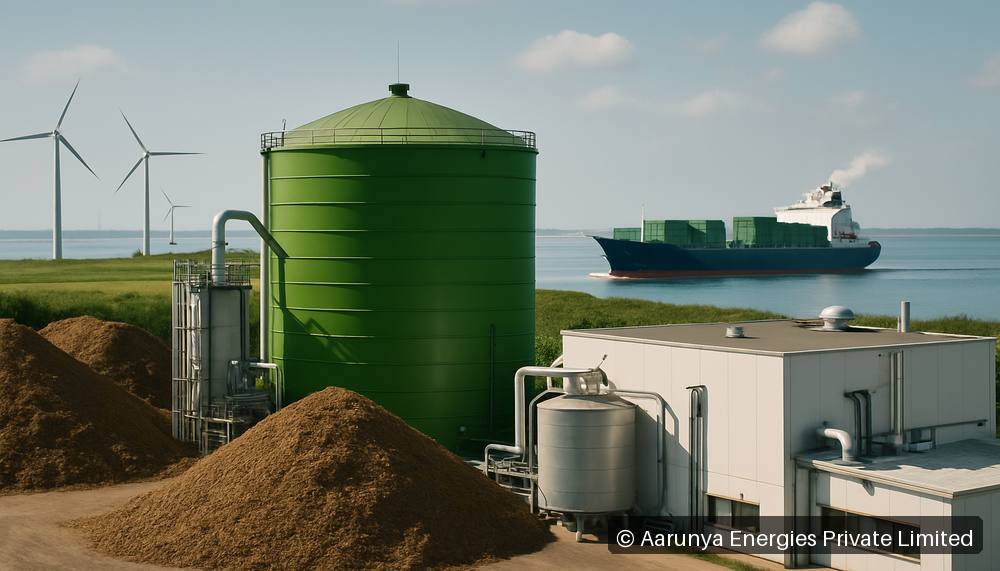
The production of SAF from wheat straw and rice husk involves a series of processes, including gasification, pyrolysis, and Fischer-Tropsch synthesis. Gasification converts biomass into synthesis gas, which can then be processed into liquid hydrocarbons, thus creating SAF. This method not only provides an environmentally friendly alternative to conventional fossil fuels but also utilizes waste that would otherwise contribute to environmental degradation.
One of the key advantages of utilizing agricultural residues for SAF production is the reduction of greenhouse gas emissions. By diverting waste from open burning and converting it into fuel, India can significantly lower its carbon footprint in the aviation sector. Moreover, SAF has been shown to reduce lifecycle greenhouse gas emissions by up to 80% compared to traditional jet fuels.
Furthermore, the use of wheat straw and rice husk for SAF production aligns with India's commitment to sustainable development and renewable energy goals. The Indian government has set ambitious targets for reducing carbon emissions and increasing the share of renewable energy in the overall energy mix. By investing in SAF production from agricultural residues, India can enhance its energy security, create jobs in the renewable energy sector, and provide farmers with an additional source of income.
The transition to SAF from agricultural residues can also contribute to the circular economy. By using waste as a feedstock, India can create a sustainable energy system that minimizes resource depletion and environmental impact. This approach not only benefits the economy but also supports rural development by providing new market opportunities for farmers.
Despite the numerous benefits, several challenges need to be addressed for the successful implementation of SAF production in India. Infrastructure development, technological advancements, and financial investments are crucial to scaling up production. Additionally, awareness and collaboration among stakeholders, including farmers, industries, and policymakers, are essential to create a supportive ecosystem for SAF.
In conclusion, the potential for producing Sustainable Aviation Fuel from agricultural residues like wheat straw and rice husk in India is immense. By harnessing these resources, India can take significant strides towards achieving its renewable energy goals while simultaneously addressing environmental and economic challenges. As the demand for cleaner aviation fuels increases globally, India must seize this opportunity to position itself as a leader in sustainable aviation fuel production, benefiting both the environment and the economy in the long run.