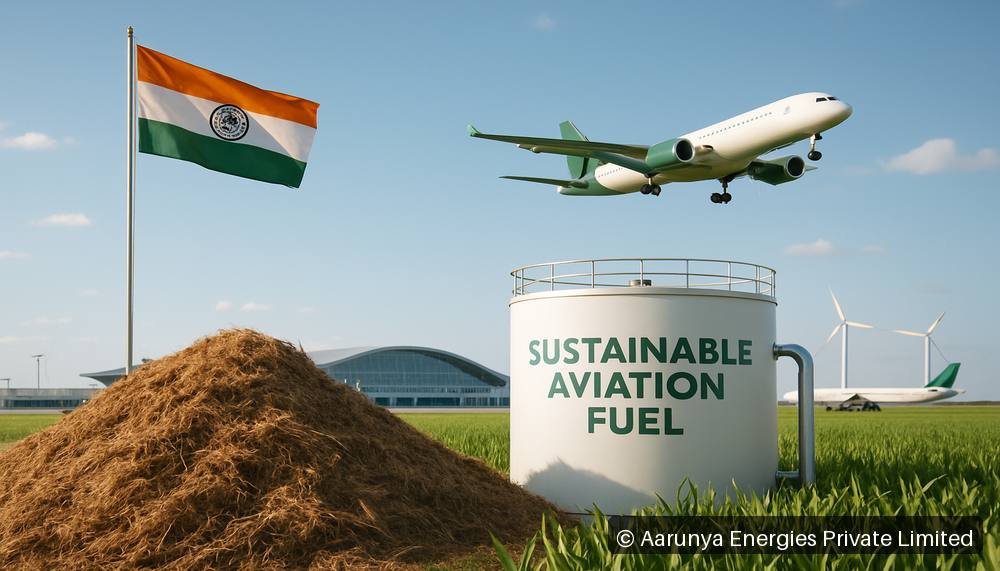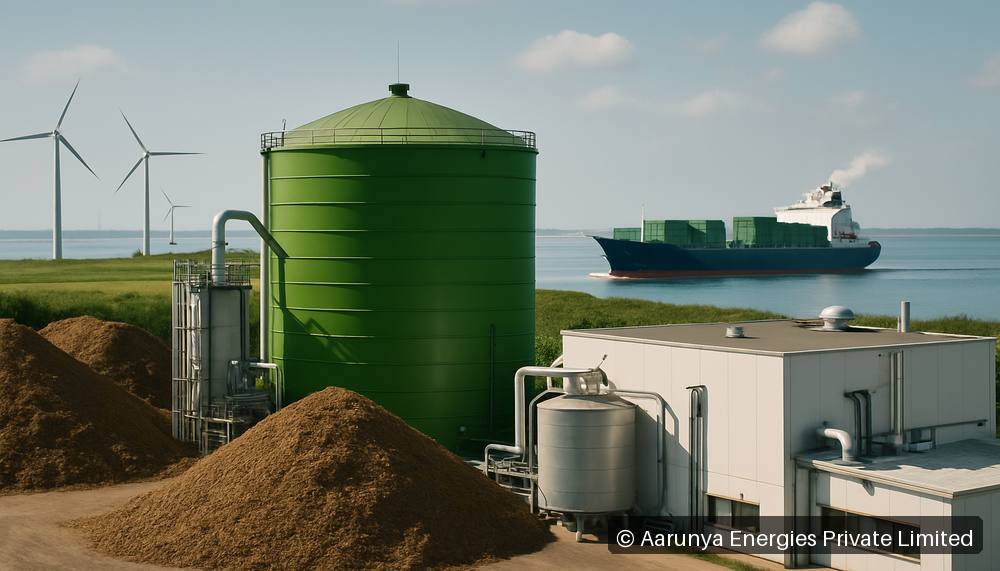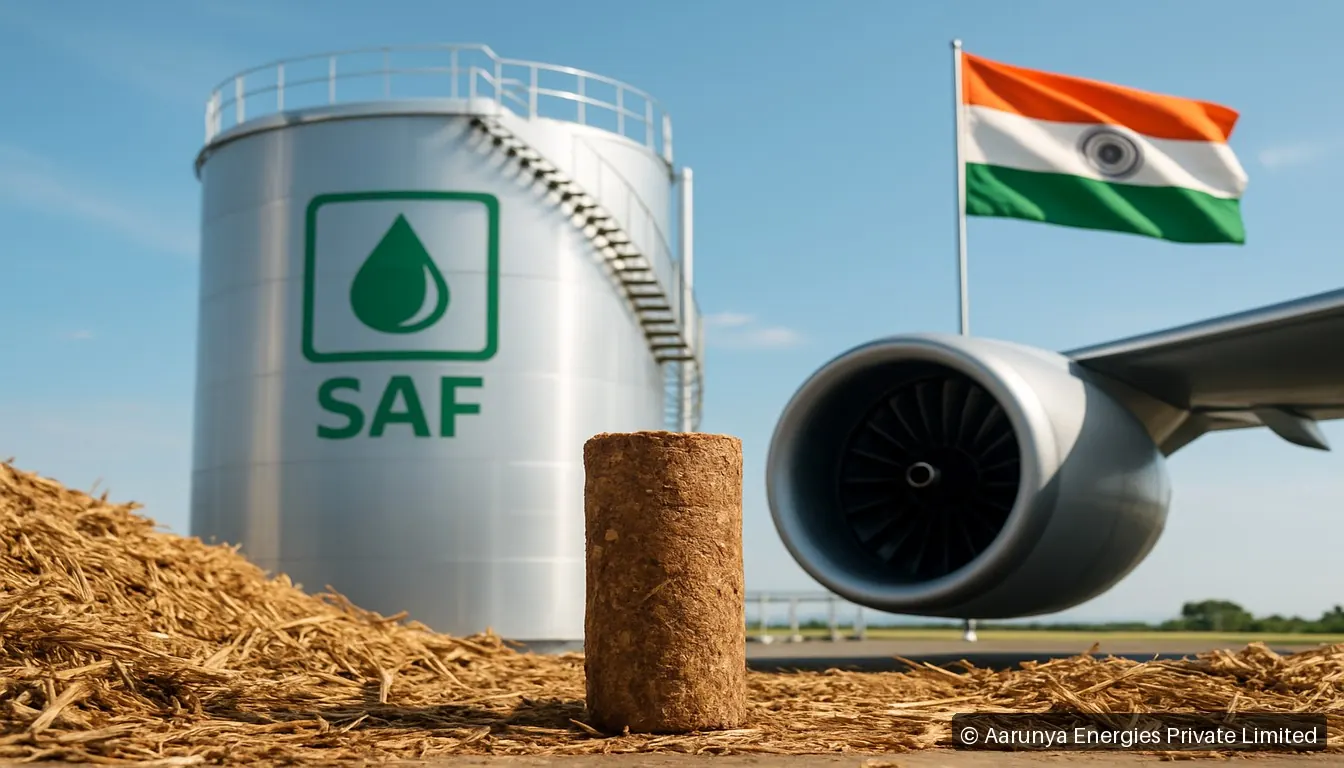
The aviation industry is on the cusp of a significant transformation, driven by the urgent need to reduce carbon emissions and combat climate change. Sustainable Aviation Fuel (SAF) has emerged as a viable alternative to conventional jet fuel, offering a path toward more sustainable air travel. However, despite its environmental benefits, SAF currently commands a cost premium over traditional jet fuels. In this article, we will explore the barriers to achieving price parity for SAF in India and discuss potential pathways to overcome these challenges.
One of the primary barriers to the widespread adoption of SAF is its higher production costs compared to conventional jet fuel. The production of SAF requires advanced technologies and feedstocks that are often more expensive. In India, where the aviation market is rapidly growing, the cost of SAF can be a significant hurdle for airlines looking to transition to more sustainable fuel options. The high upfront investment in infrastructure and technology needed to produce SAF at scale further exacerbates the cost issue, making it challenging for airlines to justify the switch.
Another factor contributing to the cost premium is the limited production capacity of SAF. Currently, SAF production facilities are few and far between, with most facilities located in regions where biomass feedstocks are readily available. In India, the lack of local production facilities means that airlines must rely on imported SAF, which incurs additional transportation costs. This reliance on imports not only adds to the fuel's price but also complicates supply chains, making it difficult for airlines to secure a consistent supply of SAF.
Government policies and incentives play a crucial role in shaping the SAF market. In India, the government has recognized the importance of sustainable fuels and has initiated various policies to promote their use. However, the current regulatory framework may not be sufficient to encourage large-scale investment in SAF production. For example, the lack of a clear mandate or targets for SAF usage in aviation can hinder investment in production facilities. Additionally, the absence of financial incentives, such as subsidies or tax breaks, can deter potential investors from entering the SAF market.
To overcome these barriers and move toward price parity for SAF, several strategies can be employed. First, increasing government support and investment in SAF research and development can help drive innovation and reduce production costs. Collaborations between the government, private sector, and research institutions can accelerate the development of cost-effective SAF technologies. This collaborative approach can also lead to the establishment of local production facilities, reducing the reliance on imports and transportation costs.
Second, scaling up production capacity is essential for reducing costs. As more production facilities come online and existing plants expand their operations, economies of scale can be achieved. This scaling will not only lower the cost of SAF but also increase its availability, making it a more attractive option for airlines.
Third, establishing a stable market for SAF through mandates and incentives can create a more predictable environment for investors. The introduction of blending mandates, similar to those already in place for biofuels in other industries, could encourage airlines to incorporate SAF into their fuel mix. Furthermore, offering financial incentives for SAF production and usage can stimulate investment and drive down costs.
Finally, public awareness and demand for sustainable air travel can also influence the market dynamics of SAF. As consumers become more environmentally conscious, airlines may find a competitive advantage by investing in SAF and promoting their commitment to sustainability. Increased demand for green travel solutions can push airlines to seek out more affordable SAF options, ultimately leading to a reduction in the cost premium.
In conclusion, while the cost premium of SAF over conventional jet fuel poses significant challenges for the aviation industry in India, various pathways exist to achieve price parity. By addressing production costs, enhancing government support, scaling production capacity, and fostering consumer demand, the industry can move closer to a sustainable future. The transition to SAF is not only essential for reducing carbon emissions but also for ensuring the long-term viability of the aviation sector in an increasingly eco-conscious world.