Process-heat FocusApplication and equipment led
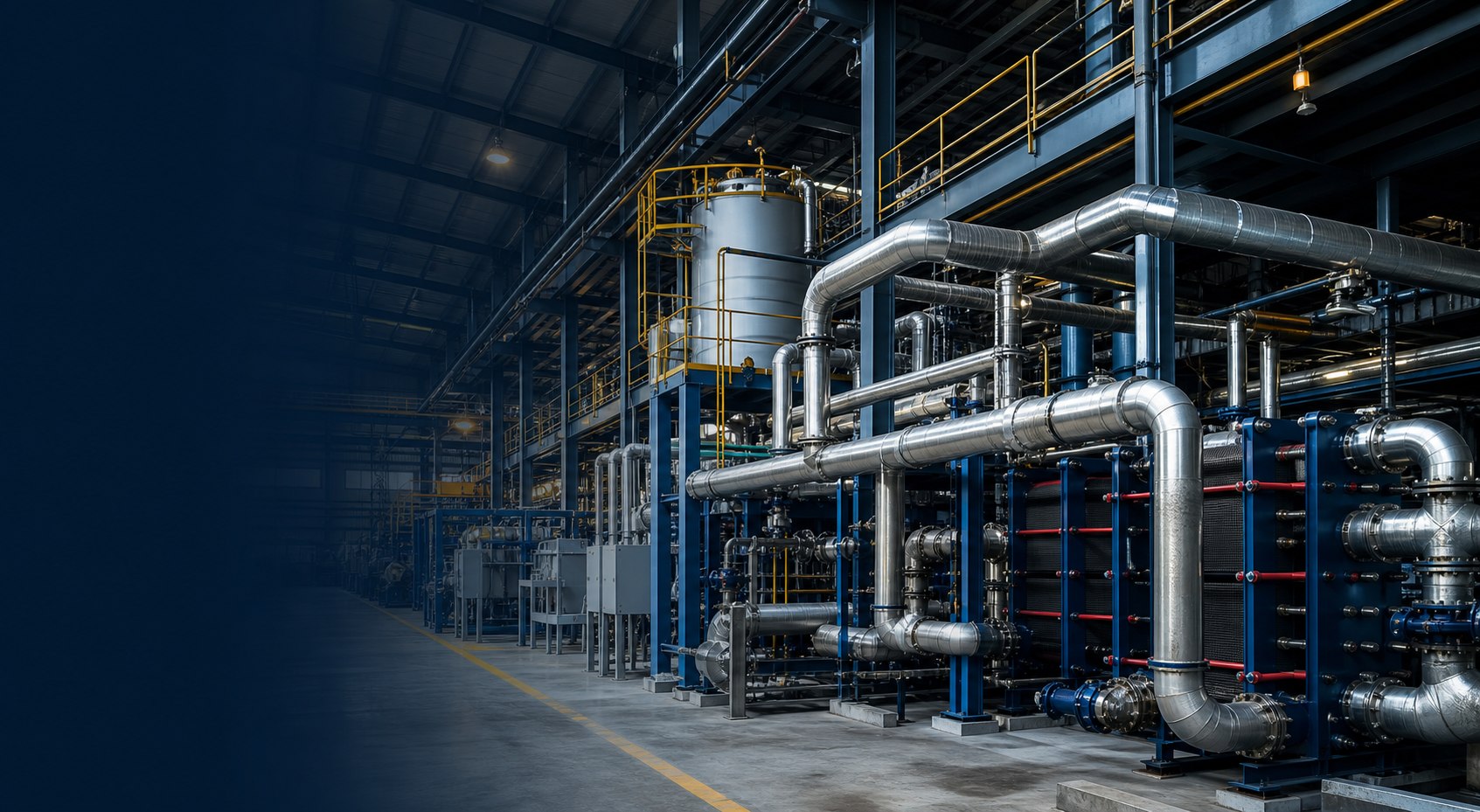
Industrial Application Guide
Iron & Steel Industry
Fuel for reheating furnaces & auxiliary process heat
Iron and steel facilities may evaluate selected biomass fuels for compatible reheating, annealing, and auxiliary heat applications outside primary metallurgical reduction.
All 9 Products AvailableSelection remains with the buyer
Planned SupplyQuantity and logistics feasibility apply
Application Context
Understanding the requirement
The buyer may select any product from the complete AEPL range for applications it considers appropriate. Biomass products are not presented as direct substitutes for coke in a blast furnace, where carbon has a metallurgical role.
High-temperature applications require plant-specific review of fuel feeding, flame characteristics, furnace design, product quality, scale formation, contaminants, safety, emissions controls, permissions, and operating economics.
Buyer-led Product Choice
Choose from the complete product range
We do not assign or recommend products by industry. Every AEPL product is available for buyer consideration, and the buyer decides what to enquire about or order.
9 biomass products
Explore All Products Review briquettes, pellets, and wood chips with indicative specifications in one catalogue.
The buyer remains responsible for confirming the selected product’s equipment compatibility, process-quality impact, safety, emissions controls, permissions, storage, handling, and operating requirements.
Before Fuel Selection
What the facility should confirm
Equipment Compatibility
Fuel form, size, feeding, combustion, and operating envelope.
Fuel Specification
Available lot GCV, moisture, ash, dimensions, fines, and contaminants.
Process & Quality
Effects on heat control, output quality, cleaning, and maintenance.
Safety & Storage
Fire protection, housekeeping, moisture protection, and handling.
Emissions & Permissions
Consent conditions, permitted fuels, controls, monitoring, and records.
Delivered Economics
Useful heat, transport, unloading, storage, ash handling, and reliability.
Supply Planning
From requirement to coordinated delivery
- 01
Share Requirement
Application, fuel, quantity, destination, and schedule.
- 02
Assess Feasibility
Source, specification, availability, route, and commercial viability.
- 03
Align Terms
Available specification, price, documentation, and delivery basis.
- 04
Coordinate Dispatch
Loading, vehicle, applicable documents, and delivery communication.
Questions
Frequently Asked Questions
Can biomass briquettes replace coal or coke in blast furnace steelmaking?
Biomass briquettes should not be treated as a direct substitute for coke in primary blast-furnace reduction, where carbon has a metallurgical role. Our product references relate to potentially compatible reheating, annealing, and auxiliary heat-only applications, subject to plant review.
Who selects the biomass product for reheating applications?
The buyer selects the product from the complete AEPL range and remains responsible for confirming furnace, feeding, flame, quality, safety, emissions, and compliance requirements.
Discuss your Iron & Steel Industry application
Share the equipment, current fuel, quantity, destination, and expected schedule.