Agricultural waste management is a significant challenge for farmers in India, given the vast amounts of crop residues generated annually. However, this waste can be transformed into a valuable resource through biomass energy production. In this article, we explore how agricultural waste, particularly crop residue, is converted into biomass fuel, contributing to India's renewable energy goals and helping to mitigate environmental issues.
India is one of the largest agricultural producers in the world, generating enormous quantities of crop residues such as straw, husks, and stubble. According to estimates, India produces around 500 million tons of agricultural waste each year. Traditionally, this waste was either burned in the fields or left to decompose, leading to severe air pollution and greenhouse gas emissions. However, with the increasing demand for clean energy sources, converting crop residues into biomass fuel has emerged as a sustainable solution.
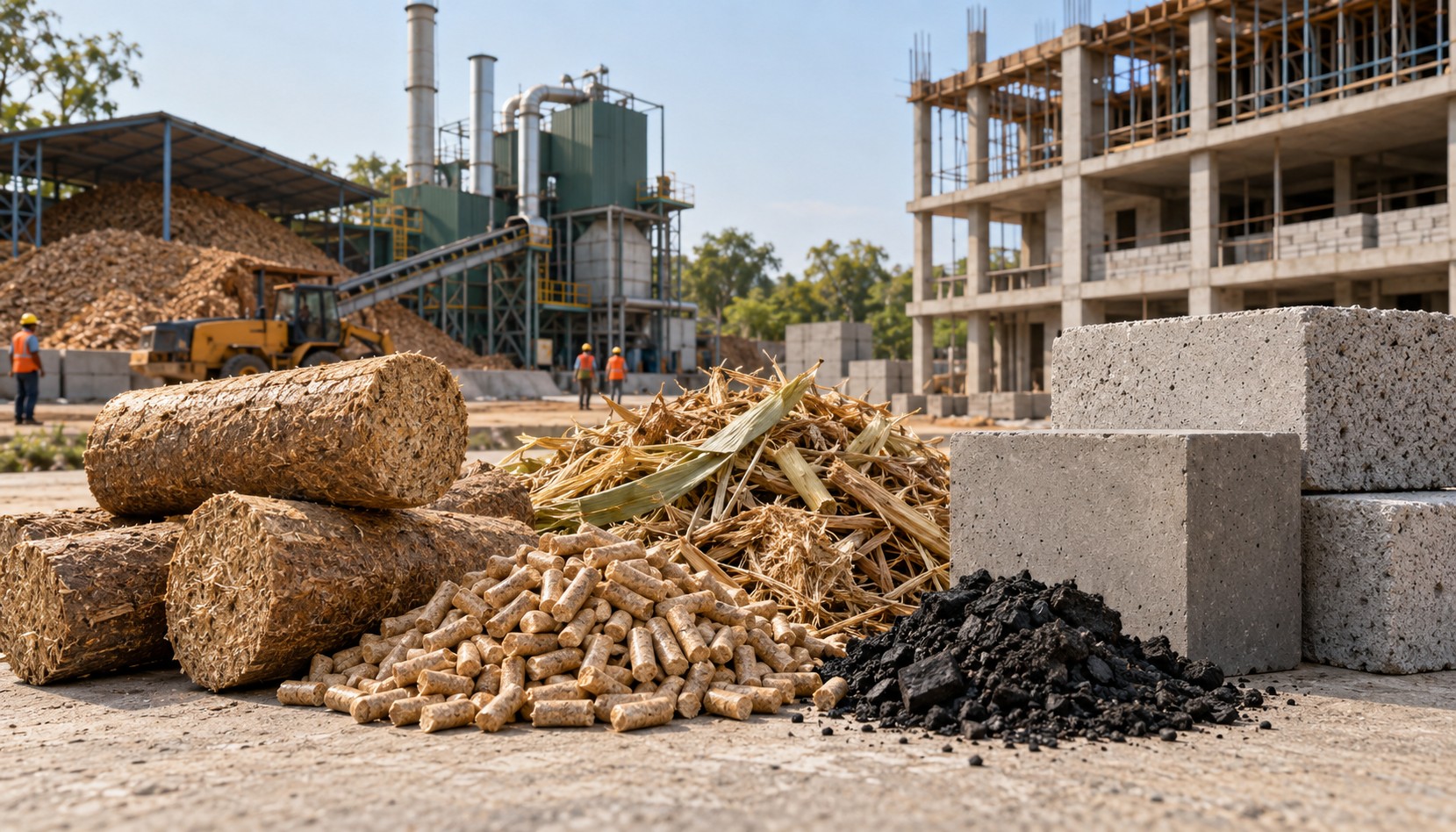
The process of converting agricultural waste into biomass fuel primarily involves two methods: briquetting and pelletization. Briquettes are made by compressing agricultural residues into solid blocks, while pellets are smaller, cylindrical pieces formed under high pressure. Both forms of biomass fuel can be used for cooking, heating, and generating electricity, making them versatile energy sources.
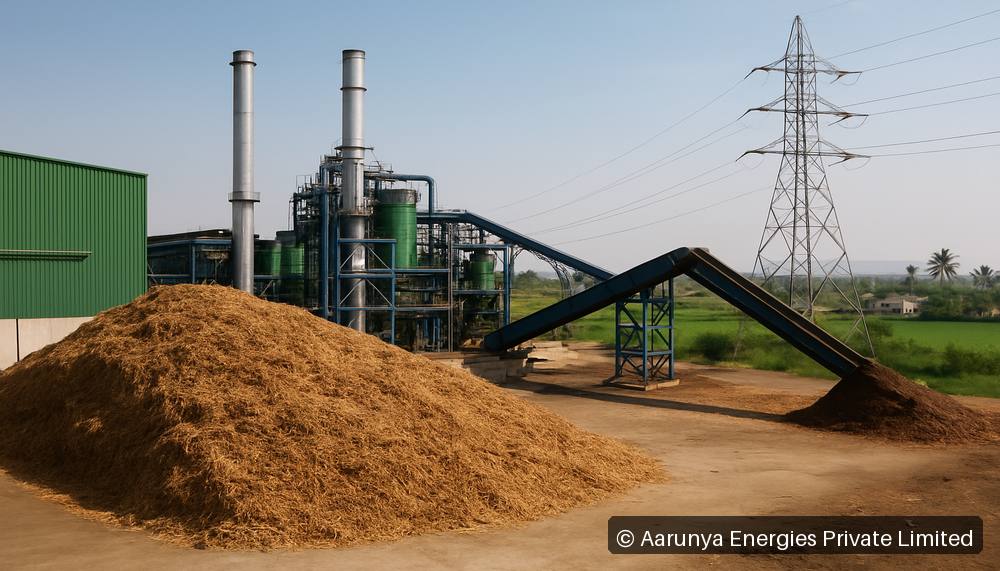
The first step in the conversion process is collecting and preprocessing the agricultural waste. Farmers can gather crop residues after harvesting, which are then chipped or shredded into smaller pieces to facilitate further processing. This preprocessing is crucial as it ensures uniformity in the size of the raw material, leading to more efficient biomass production.
Once the agricultural waste is prepared, it undergoes a densification process. In briquetting, the residues are compressed at high pressure, which eliminates moisture content and binds the particles together, resulting in a dense, solid fuel. Pelletization, on the other hand, involves forcing the material through a die, creating small, uniform pellets that are easy to handle and store. The final products, whether briquettes or pellets, have high calorific values and low ash content, making them suitable alternatives to conventional fossil fuels.
India's growing focus on renewable energy has led to significant investments in biomass energy projects. The government has introduced various policies and incentives to promote the use of biomass fuel, aiming to reduce dependence on fossil fuels and enhance energy security. Initiatives such as the National Biofuel Policy have been pivotal in fostering research and development in biomass technologies, as well as encouraging farmers to adopt biomass production practices.
Utilizing crop residues as biomass fuel not only contributes to energy generation but also addresses environmental issues. By diverting agricultural waste from open burning, biomass energy production helps reduce air pollution and greenhouse gas emissions. Additionally, it provides farmers with an additional source of income, as they can sell the crop residues to biomass processing facilities instead of burning them.
The use of agricultural waste as biomass fuel also promotes sustainable agricultural practices. Farmers are encouraged to adopt crop diversification and agroforestry, which can enhance soil health and increase the resilience of agricultural systems. This shift towards sustainable farming practices is essential for addressing the challenges posed by climate change and food security.
Despite its potential, there are challenges in the widespread adoption of biomass fuel from agricultural waste in India. Infrastructure for collection, transportation, and processing of biomass needs to be improved. Moreover, awareness and education among farmers about the benefits of biomass energy are crucial for increasing participation in this sustainable energy model.
In conclusion, the transformation of agricultural waste into biomass fuel presents a promising opportunity for India to harness renewable energy resources while addressing environmental concerns. By effectively managing crop residues and utilizing them for energy production, India can reduce its carbon footprint, support rural economies, and pave the way for a sustainable energy future. As the country continues to invest in biomass energy technologies and promote sustainable agricultural practices, the potential for agricultural waste to contribute to India's energy landscape will only grow.