In recent years, the concept of a circular economy has gained significant traction in India. This model emphasizes the importance of sustainability, resource efficiency, and waste reduction to create a more resilient economy. A crucial component of this approach is biomass, which encompasses organic materials derived from plants and animals. Biomass energy, in the form of briquettes, pellets, and other biofuels, presents an innovative solution to some of India’s most pressing environmental challenges while also contributing to its economic growth.
Biomass can be seen as a renewable resource that can be used to generate energy, thereby reducing reliance on fossil fuels. In India, agricultural residue, forestry waste, and industrial by-products are abundant, making biomass an accessible and sustainable energy source. By converting waste materials into usable energy, biomass not only helps in managing waste but also reduces greenhouse gas emissions, contributing to India's climate goals.
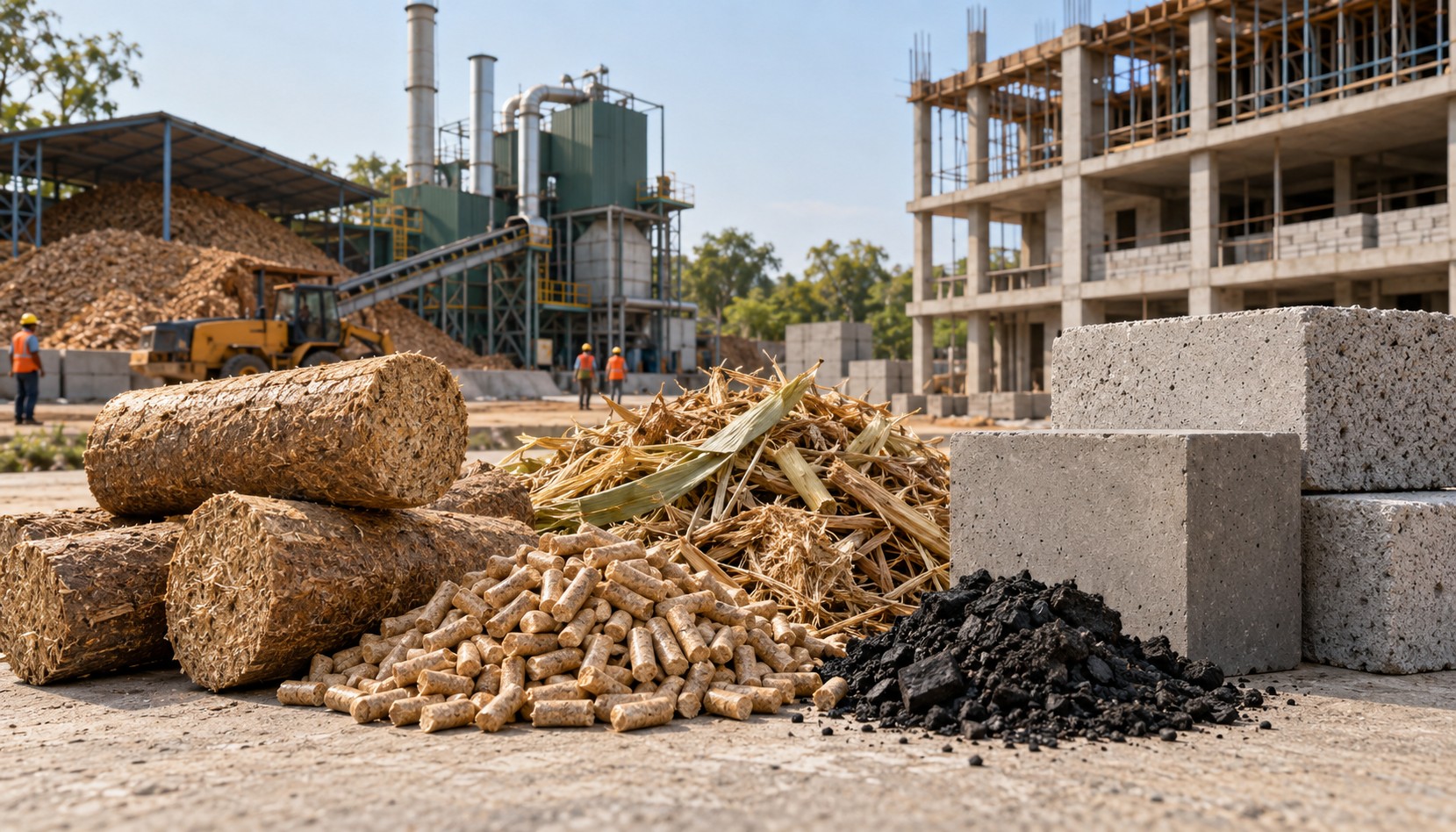
One of the most significant advantages of biomass in the context of a circular economy is its ability to close the loop on waste. For example, agricultural waste such as straw, husks, and other residues that would typically be burned or left to decompose can be repurposed into briquettes or pellets. This process not only provides an alternative energy source but also mitigates the environmental impact of open burning, which contributes to air pollution and health hazards.
In India, the biomass sector is witnessing rapid growth, driven by technological advancements and supportive government policies. The National Biofuel Policy, for instance, aims to promote the use of biofuels, including biomass, to achieve energy security and sustainability. By setting ambitious targets for biofuel production, the government is encouraging investment in biomass technologies, which can create jobs and stimulate rural economies.
Furthermore, biomass energy aligns well with India's renewable energy targets. The country has set a goal of achieving 500 GW of non-fossil fuel-based energy capacity by 2030. Biomass energy is a vital contributor to this target, offering a reliable and consistent energy source that complements intermittent renewable sources like solar and wind. Unlike solar and wind energy, biomass can be used as a baseload power source, providing a steady supply of energy that can help stabilize the grid.
The role of biomass in India's circular economy extends beyond energy production. Biochar, a by-product of biomass conversion, can be utilized to improve soil health and enhance agricultural productivity. By sequestering carbon in the soil, biochar also plays a role in climate change mitigation, further supporting India’s environmental objectives. Additionally, the production of biofuels such as biogas and biodiesel from biomass can create value-added products that can be used in various sectors, including transportation and cooking.
Moreover, the circular economy model encourages collaboration among various stakeholders, including farmers, industries, and local communities. Farmers can benefit from additional income by selling agricultural residues for biomass production, while industries can source sustainable energy and contribute to their corporate social responsibility goals. This collaborative approach enhances resource efficiency and promotes sustainable practices across the value chain.
As India transitions towards a circular economy, the role of biomass will become increasingly vital. The integration of biomass into the energy mix not only supports energy security and sustainability but also fosters economic growth and environmental stewardship. By harnessing the potential of biomass, India can pave the way for a more sustainable future, where waste is minimized, resources are efficiently utilized, and communities thrive.
In conclusion, biomass is a key player in India's circular economy, offering numerous benefits that align with the country's sustainability goals. The potential for biomass to generate renewable energy, reduce waste, and contribute to rural development makes it an indispensable resource in the quest for a greener and more sustainable India. As awareness and technological advancements continue to grow, the future of biomass in India looks promising, paving the way for a circular economy that benefits both people and the planet.