The journey of biomass fuel from forest residues to energy is a compelling story of sustainability and innovation, particularly in a biodiverse region like Uttarakhand, India. Known for its lush forests and rich ecological resources, Uttarakhand has emerged as a focal point for biomass energy production, leveraging its abundant forest residues, agricultural waste, and other organic materials. This case study explores the steps involved in converting forest residues into solid biofuels, such as briquettes and pellets, and highlights the environmental and economic benefits of this process.
Biomass fuel is derived from organic materials, which can include agricultural residues, wood chips, and, notably, forest residues. Forest residues, the leftover branches, leaves, and other organic matter following logging or natural events, pose a significant challenge for forest management. Instead of allowing this biomass to decompose into methane and carbon dioxide, which contribute to greenhouse gas emissions, converting it into energy presents a sustainable solution.
In Uttarakhand, the process begins with the collection of forest residues. Local communities play a crucial role in this initial phase. By engaging local populations in the sustainable harvesting of forest materials, the region not only provides employment opportunities but also encourages responsible management of forest resources. Training programs are often instituted to educate these communities on best practices for biomass collection, ensuring that the ecosystem remains healthy while minimizing any adverse environmental impacts.
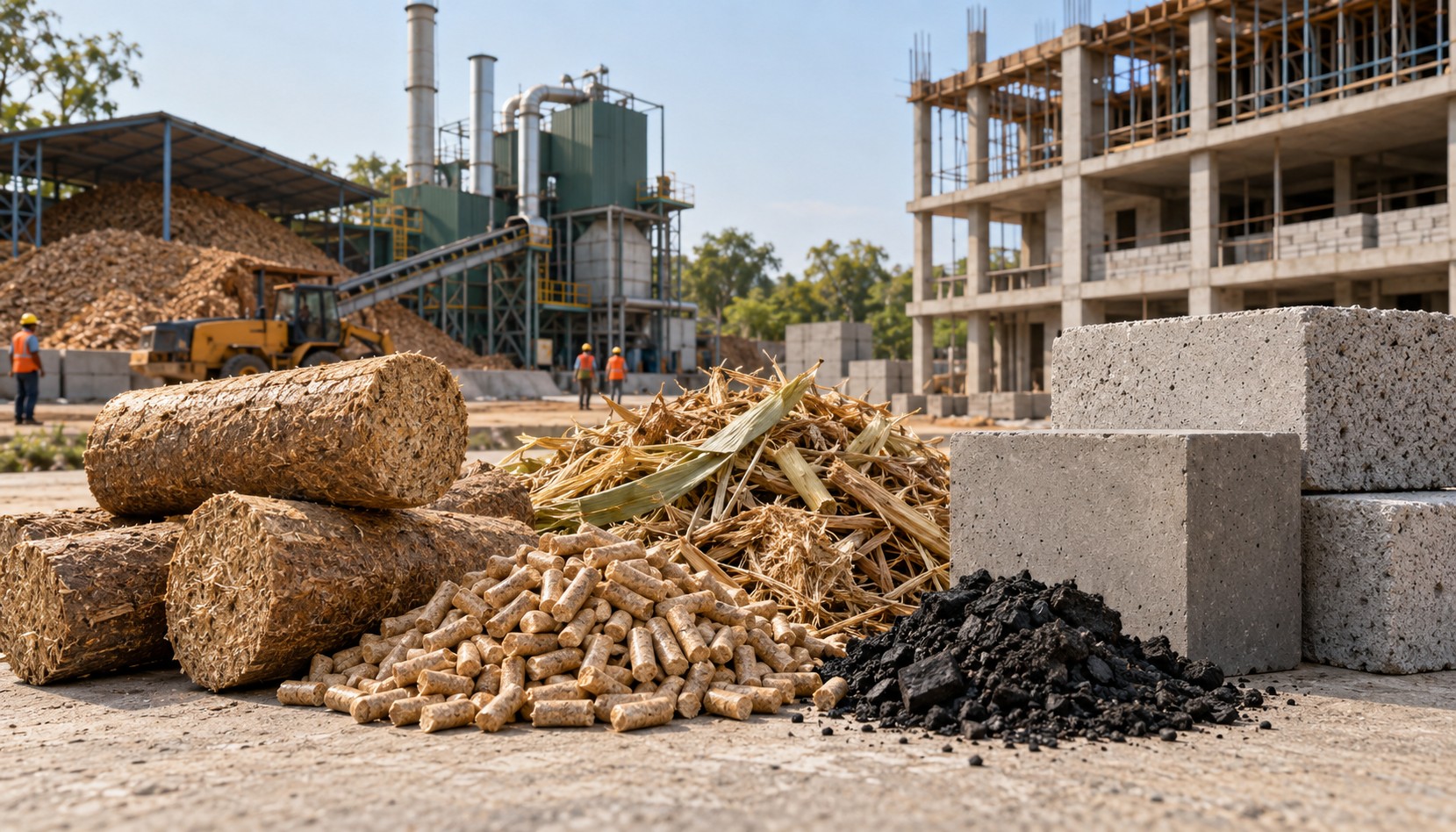
Once collected, the forest residues undergo processing to create solid biofuels. The first step in this transformation is size reduction, where branches and leaves are chipped or shredded to facilitate further processing. This is usually followed by drying, as moisture content needs to be minimized for efficient combustion. After drying, the biomass is subjected to densification, a process that compacts the material into briquettes or pellets. Densification improves the fuel's energy density, making it easier to transport and store while also enhancing its combustion efficiency.
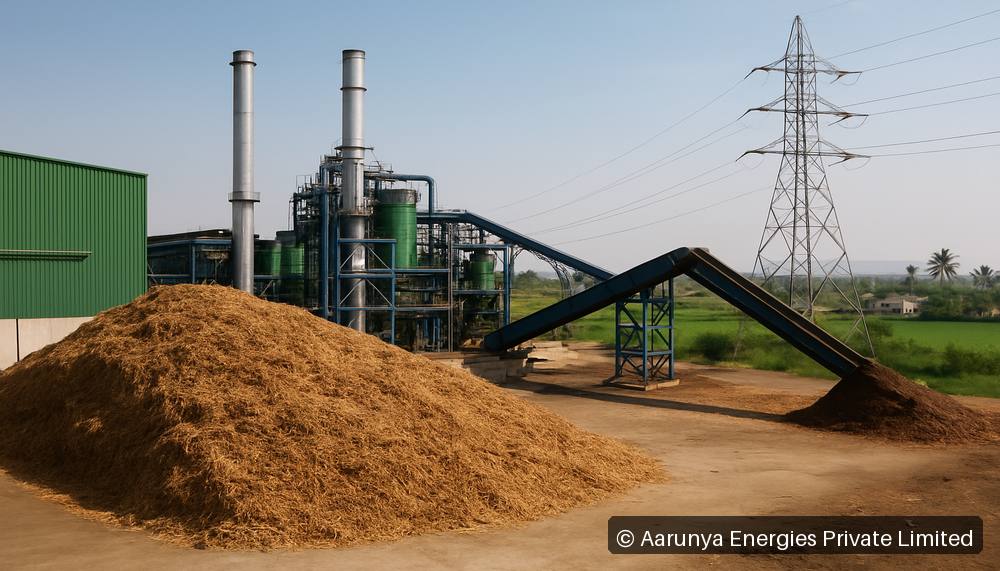
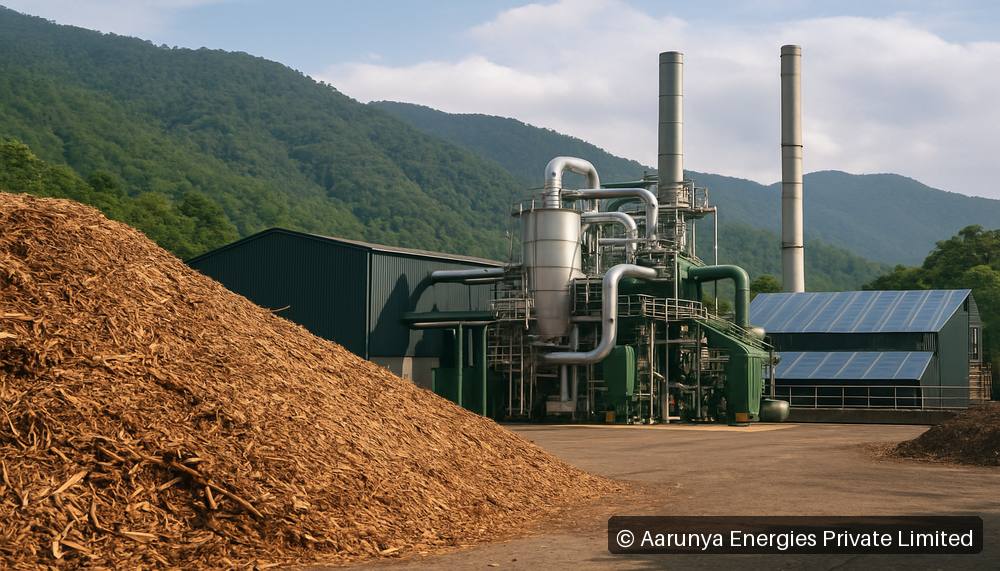
The briquettes and pellets produced from forest residues in Uttarakhand serve as an excellent alternative to fossil fuels. With rising concerns over climate change and environmental degradation, the use of biomass energy is gaining traction as a viable solution for local heating, cooking, and industrial energy needs. Biomass energy plants are being established across the state, utilizing these solid biofuels to generate electricity and heat, thereby reducing reliance on traditional energy sources.
Moreover, biomass energy contributes to the circular economy by utilizing waste products that would otherwise go unused. By converting forest residues into energy, Uttarakhand not only addresses waste management issues but also contributes to a reduction in carbon footprint. The lower emissions produced when using biomass compared to fossil fuels underscore the environmental benefits of this renewable energy source.
Furthermore, the socioeconomic impact of this transformation is significant. Biomass energy production creates jobs throughout the supply chain, from collection and processing to distribution and energy generation. The involvement of local communities in biomass fuel production fosters economic development and empowers people by providing them with sustainable livelihoods.
In addition to job creation, the widespread adoption of biomass fuel has the potential to stabilize energy prices. As biomass energy becomes more prevalent, it can help reduce the volatility associated with fossil fuel markets, offering a more predictable energy source for households and industries alike.
In conclusion, the journey of biomass fuel from forest residues to energy in Uttarakhand is a remarkable example of how sustainable practices can lead to environmental, economic, and social benefits. By harnessing the power of local resources, Uttarakhand is paving the way for a greener future while addressing pressing energy needs. As the state continues to innovate in the field of biomass energy, it serves as an inspiring model for other regions in India and beyond, showcasing the potential of renewable energy to transform lives and communities.