As India's construction sector continues to expand, the need for sustainable practices has never been more pressing. Traditional construction methods often rely on non-renewable resources, leading to significant environmental degradation. However, the integration of biomass into construction practices presents a viable solution for reducing the ecological footprint of building activities. Biomass, derived from organic materials, offers a renewable alternative that can contribute to both energy generation and material production in the construction industry.
Biomass can be classified into various forms, including agricultural residues, forestry waste, and dedicated energy crops. In India, where agricultural activities are prevalent, there is a substantial amount of biomass available that can be harnessed for construction purposes. By utilizing this abundant resource, the construction industry can significantly reduce its reliance on fossil fuels and non-renewable materials.
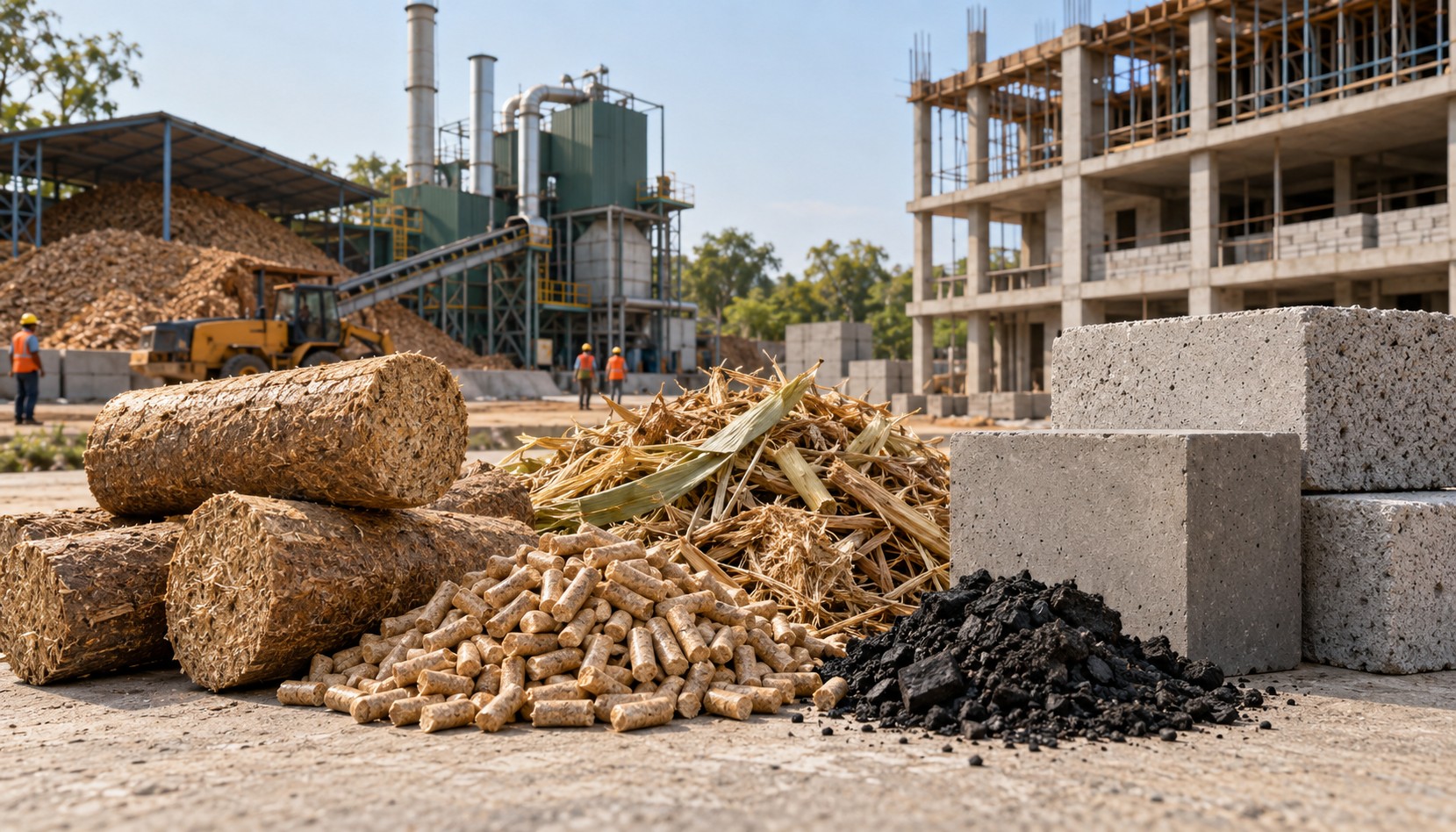
One of the most notable applications of biomass in construction is in the production of bio-based materials. For instance, biomass can be processed into bio-briquettes and pellets, which serve as sustainable alternatives to traditional fuels in creating energy-efficient building materials. These bio-based materials not only reduce emissions during production but also contribute to better insulation and overall energy performance in buildings.
Moreover, the use of biomass in the form of biochar—a charcoal-like substance produced through pyrolysis—has gained attention in recent years. Biochar can be incorporated into construction materials as an additive, enhancing their strength and durability while also sequestering carbon. The ability of biochar to improve the properties of concrete and other building materials aligns perfectly with the goals of sustainable construction, thereby promoting a circular economy.
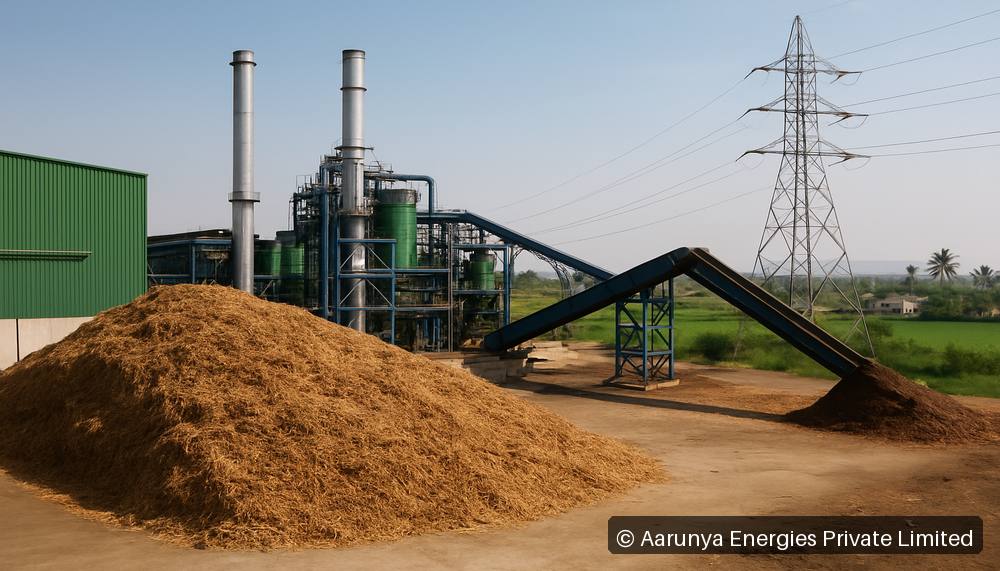
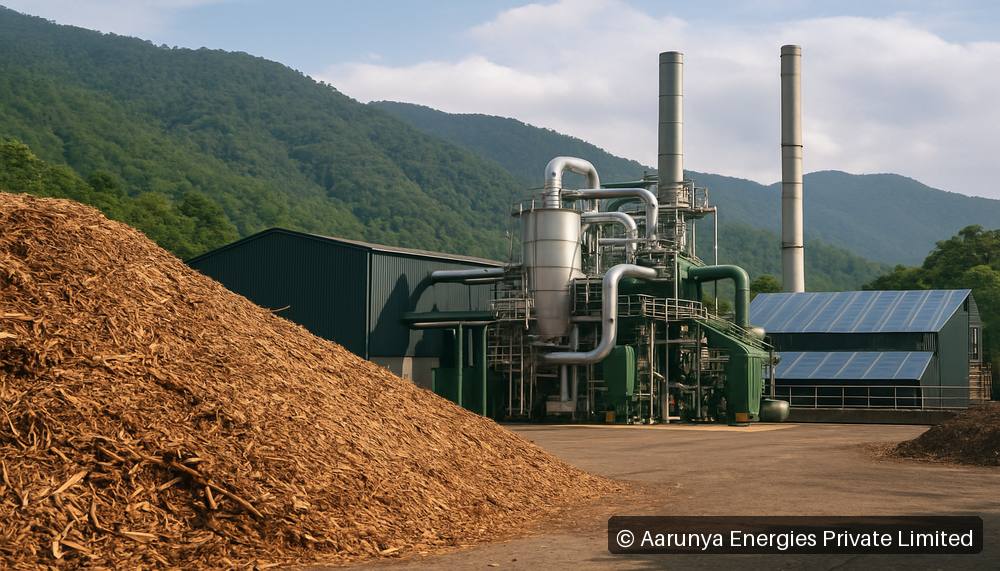
In addition to material production, biomass plays a crucial role in energy generation for construction activities. Many construction processes require substantial energy inputs, which are often derived from fossil fuels. By utilizing biomass energy, construction companies can power their operations in a more sustainable manner. Biomass power plants can provide a consistent and renewable energy source, reducing greenhouse gas emissions and lowering the carbon footprint of construction projects.
The Indian government has recognized the importance of promoting biomass as part of its broader renewable energy strategy. Initiatives such as the National Biofuel Policy and various state-level programs encourage the development and utilization of biomass technologies. These policies aim to foster innovation in the biomass sector and incentivize construction companies to adopt sustainable practices.
Incorporating biomass into construction practices also supports local economies. By sourcing biomass from nearby agricultural areas, construction companies can create synergies with local farmers and reduce transportation costs. This not only fosters job creation within rural communities but also encourages sustainable agricultural practices, as farmers are incentivized to manage their land responsibly to produce biomass feedstock.
As urbanization in India accelerates, the construction industry must embrace innovative solutions to meet the growing demand for housing and infrastructure while minimizing environmental impact. The integration of biomass into construction practices represents a significant step towards achieving this goal. By leveraging renewable materials and energy sources, the industry can create buildings that are not only functional but also sustainable.
In conclusion, the role of biomass in India's sustainable construction practices is multifaceted and vital for the future of the sector. From producing eco-friendly building materials to providing renewable energy, biomass offers a pathway to reduce the ecological impact of construction activities. As awareness of the benefits of biomass continues to grow, it is essential for stakeholders within the construction industry to embrace and invest in these sustainable practices. This will not only contribute to a greener future but also ensure that India's construction sector remains resilient and resource-efficient in the face of ongoing environmental challenges.