The Northeast region of India, with its rich biodiversity and abundant natural resources, presents a unique opportunity for sustainable energy solutions. Among these, bamboo stands out as a promising biomass fuel source. With its rapid growth rate and high calorific value, bamboo can significantly contribute to the region's energy needs while promoting environmental sustainability.
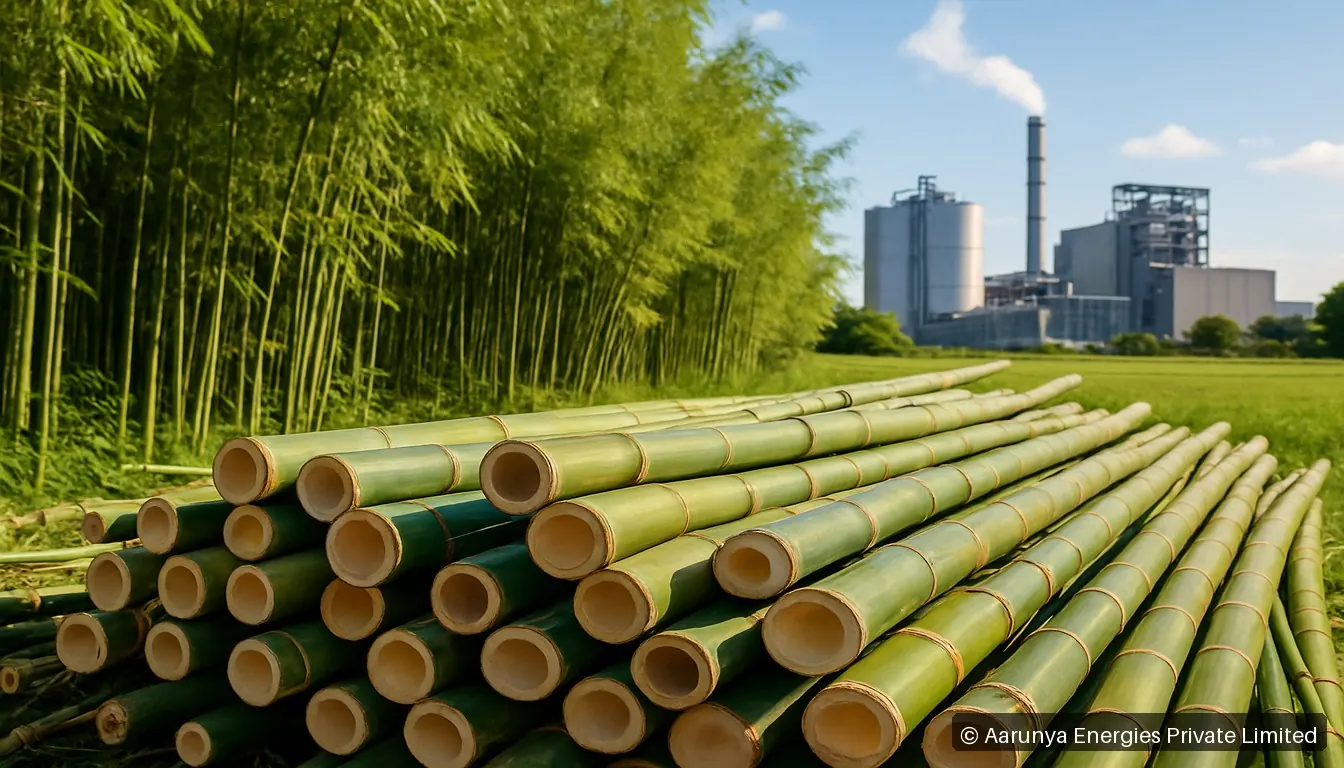
Bamboo is one of the fastest-growing plants in the world, making it an ideal candidate for biomass energy production. Its growth cycle can be as short as three to five years, allowing for quick replenishment. This characteristic not only ensures a sustainable supply of raw material but also helps in carbon sequestration, making bamboo a carbon-negative resource. The Northeast, home to over 40 species of bamboo, is particularly well-suited for cultivating this versatile plant.
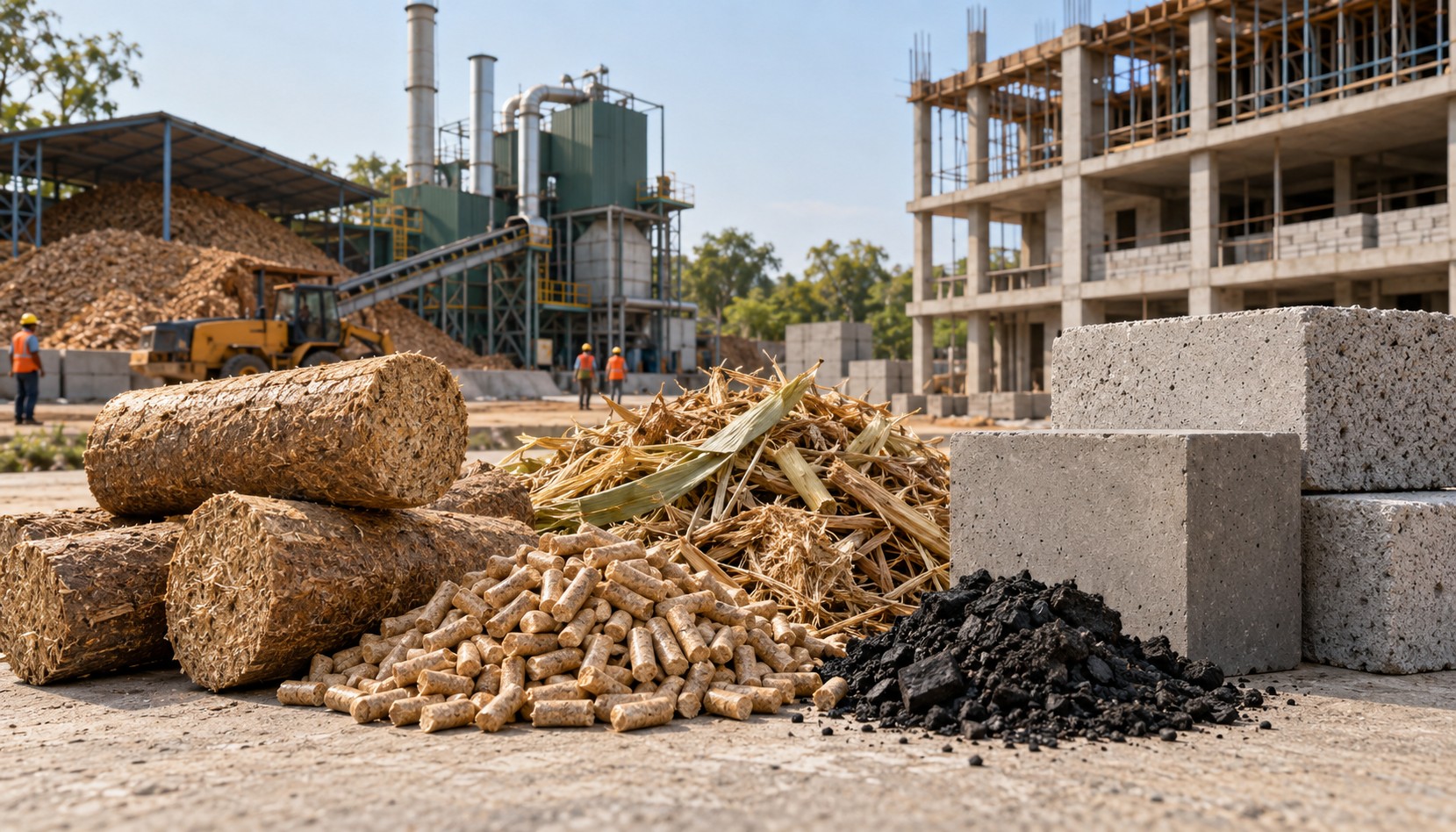
The use of bamboo as a biomass fuel source offers several advantages. Firstly, it is a renewable energy source that can reduce dependence on fossil fuels. As India aims to transition to cleaner energy alternatives, incorporating bamboo into the energy mix can help meet the country's growing energy demands while minimizing environmental impacts. Moreover, bamboo can be converted into various forms of biofuels, including briquettes and pellets, which can be utilized in both industrial and domestic settings.
In addition to its environmental benefits, bamboo cultivation can also boost the local economy. The Northeast region has a significant population engaged in agriculture and traditional practices, and integrating bamboo into these systems can provide additional income streams. By promoting bamboo farming, local communities can benefit from diversified livelihoods, creating jobs and reducing poverty. Furthermore, bamboo products can be marketed not only domestically but also internationally, tapping into the growing global demand for sustainable materials.
Investing in bamboo as a biomass fuel source aligns with India's commitment to the Sustainable Development Goals (SDGs). It addresses energy security, promotes sustainable agriculture, and contributes to climate action. Moreover, government initiatives supporting renewable energy and sustainable practices further enhance the prospects for bamboo in the biomass energy sector. Programs aimed at promoting alternative energy sources can facilitate investment in bamboo cultivation and processing facilities, enabling local entrepreneurs to thrive.
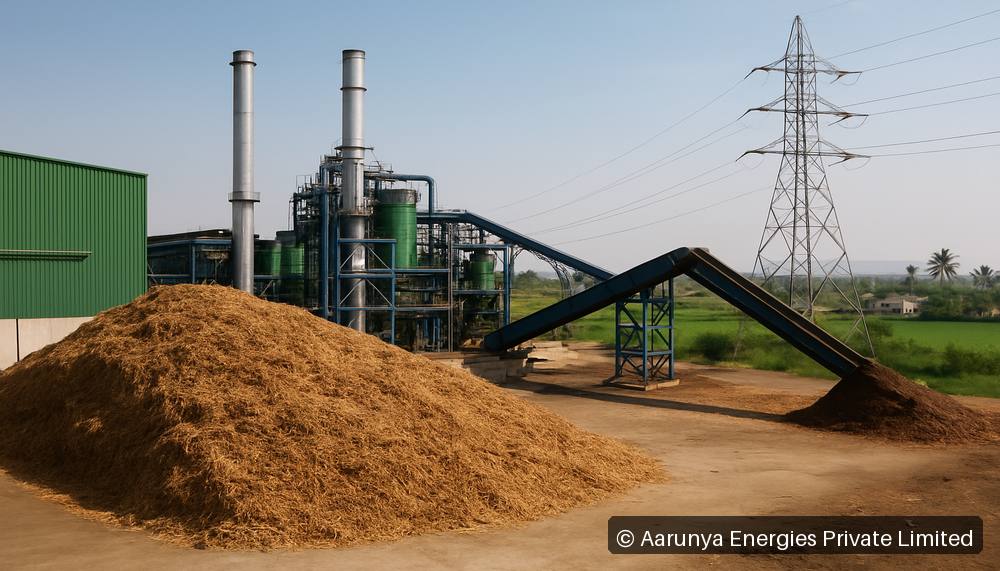
The technological advancements in biomass energy production also play a crucial role in harnessing the potential of bamboo. Modern techniques allow for efficient conversion of bamboo into high-energy fuels. Innovations in carbonization and torrefaction processes can enhance the energy density of bamboo, making it a viable alternative to conventional fuels. By adopting these technologies, producers can maximize the energy output and minimize waste.
However, there are challenges that need to be addressed to fully realize the potential of bamboo as a biomass fuel source. Awareness and education about bamboo cultivation, processing, and utilization are essential for local communities. Establishing robust supply chains and ensuring quality control in bamboo products are also critical. Collaborations between government bodies, research institutions, and private enterprises can foster an ecosystem conducive to bamboo biomass energy development.
In conclusion, bamboo presents a significant opportunity as a biomass fuel source in India's Northeast region. Its rapid growth, renewability, and potential for economic upliftment make it an attractive alternative for sustainable energy. By leveraging local resources and investing in bamboo cultivation and processing, India can take substantial steps toward achieving energy security and environmental sustainability. Embracing bamboo not only aligns with national goals but also empowers local communities, paving the way for a greener and more sustainable future.