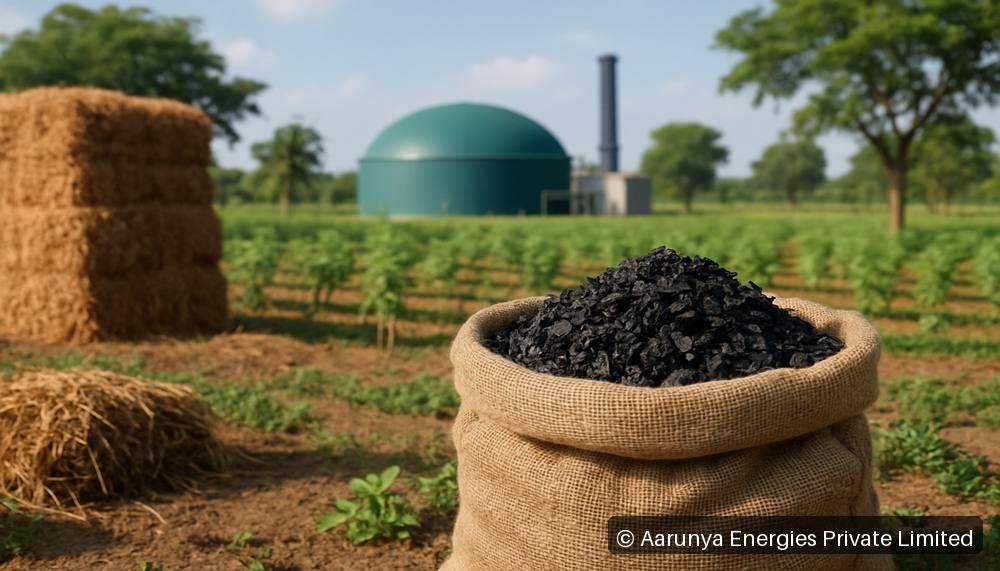
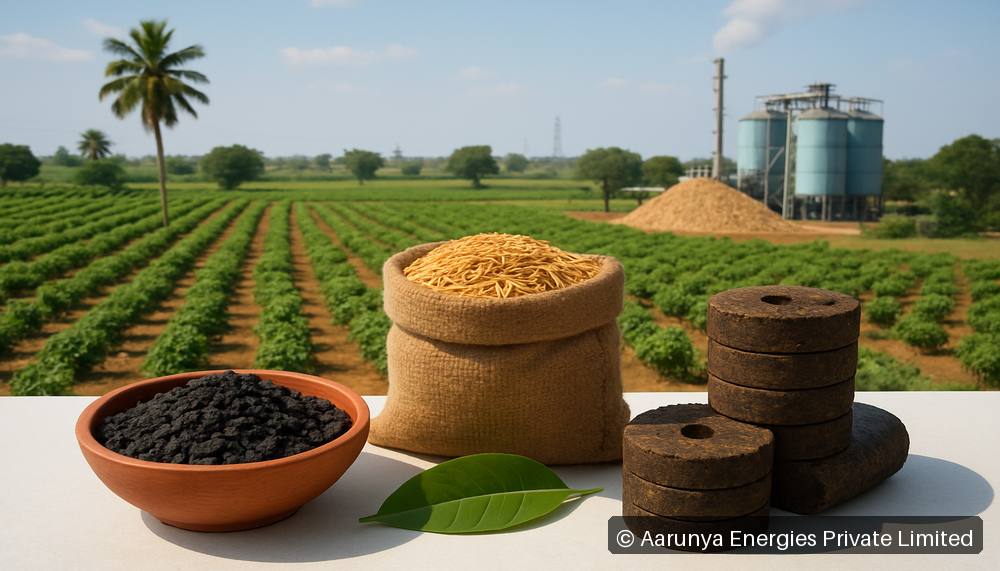
Biochar, a form of charcoal produced through the pyrolysis of organic materials, has gained considerable attention as a powerful tool for carbon sequestration and sustainable agriculture. In India, where agricultural activities generate vast quantities of residues, the potential for biochar production from these materials is enormous. This blog explores the process of biochar production from agricultural residues and its significant benefits for carbon sequestration and soil health.
The production of biochar involves a thermal decomposition process that occurs in the absence of oxygen, known as pyrolysis. This process converts biomass—such as crop residues, forestry by-products, and other organic materials—into a stable form of carbon. The resulting biochar is a porous substance that can improve soil quality, enhance water retention, and serve as a habitat for beneficial microorganisms.
Agricultural residues in India, such as rice husks, wheat straw, and sugarcane bagasse, are often burned or left to decompose in the fields, leading to environmental pollution and greenhouse gas emissions. By converting these residues into biochar, farmers can not only reduce pollution but also contribute to climate change mitigation through carbon sequestration. The carbon in biochar is resistant to degradation, allowing it to remain in the soil for hundreds to thousands of years.
One of the primary benefits of biochar is its ability to enhance soil fertility. When incorporated into soils, biochar can improve nutrient retention, increase cation exchange capacity, and promote microbial activity. This leads to better crop yields and reduced reliance on chemical fertilizers, which can harm the environment and human health. For farmers in India, adopting biochar production can lead to more sustainable agricultural practices and improved economic returns.
In addition to its agricultural benefits, biochar production contributes to carbon sequestration efforts. By converting agricultural residues into biochar, carbon that would otherwise be released into the atmosphere during decomposition or burning is instead stored in a stable form. This is crucial in the fight against climate change, as the reduction of carbon dioxide and other greenhouse gases in the atmosphere is essential for global warming mitigation.
The Indian government has recognized the importance of biomass energy and carbon sequestration in its climate action plans. Initiatives promoting sustainable agricultural practices, including biochar production, align with national goals for reducing carbon emissions and enhancing soil health. Farmers can benefit from government schemes and incentives aimed at promoting sustainable practices and renewable energy sources.
Moreover, biochar can serve as a valuable resource for carbon credit trading. As companies and countries seek to offset their carbon emissions, biochar production can become a viable means of generating carbon credits. This not only provides farmers with an additional revenue stream but also encourages the widespread adoption of biochar as a sustainable practice.
To effectively implement biochar production in India, awareness and education are key. Farmers, agricultural organizations, and policymakers must work together to develop training programs that highlight the benefits of biochar and provide guidance on best practices for production and application. Collaboration between research institutions and agricultural communities can also lead to innovations in biochar technology and its applications.
In conclusion, biochar production from agricultural residues presents a promising opportunity for enhancing soil health, improving agricultural sustainability, and contributing to carbon sequestration efforts in India. By leveraging the vast amount of agricultural waste generated annually, India can make significant strides towards a more sustainable future. The adoption of biochar not only supports farmers' livelihoods but also plays a critical role in addressing the urgent challenge of climate change. As we move towards a greener economy, biochar stands out as a versatile and effective solution for both agricultural and environmental challenges.