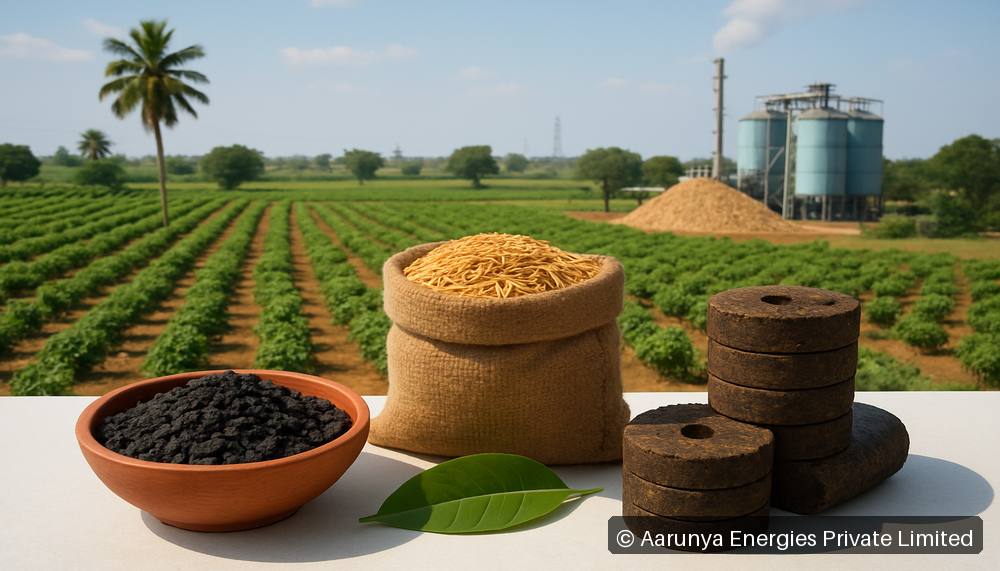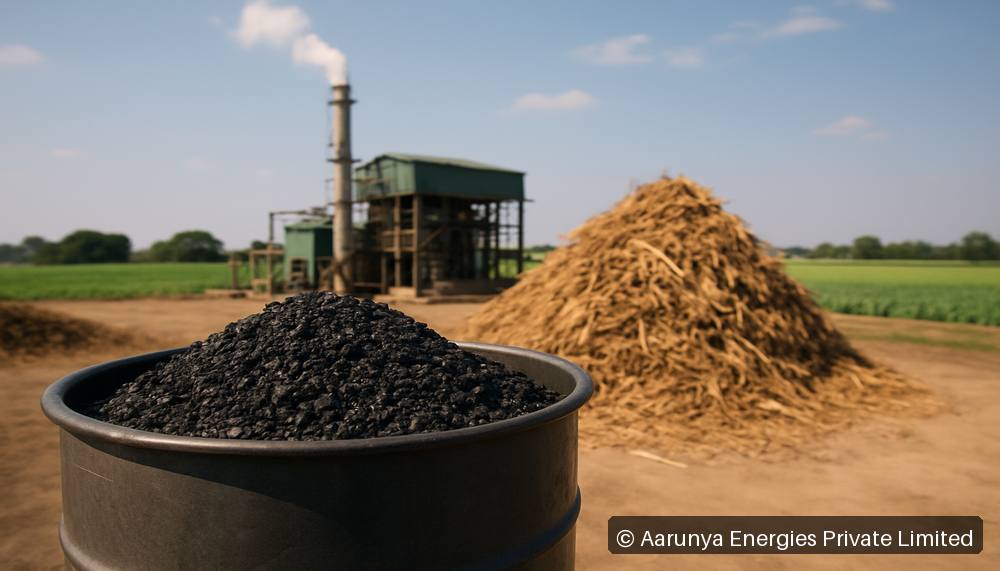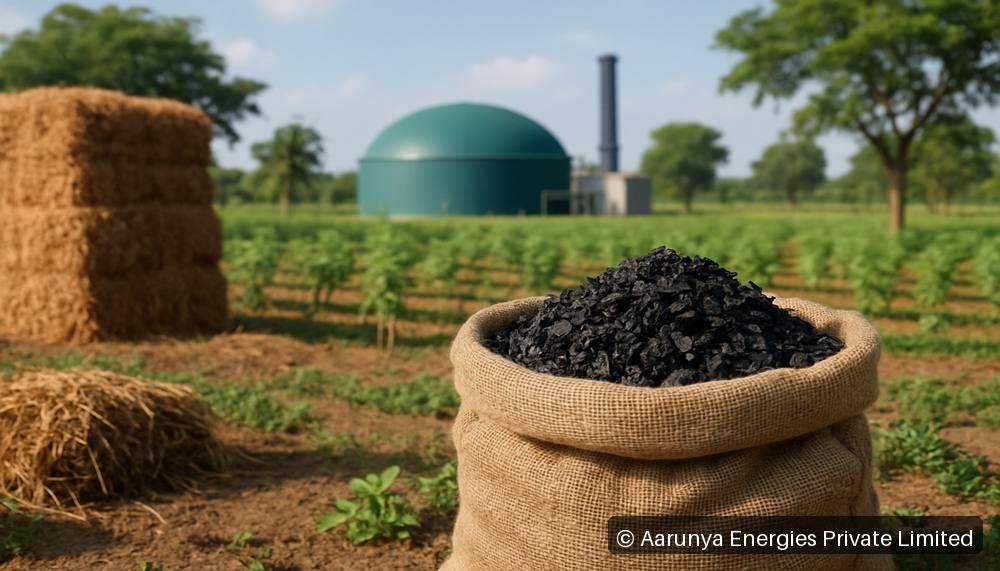
As India grapples with the challenges of climate change and sustainable agricultural practices, innovative solutions are becoming increasingly important. One such solution is biochar, a stable form of carbon produced through the pyrolysis of organic materials. This article explores the potential of biochar for carbon sequestration in Indian agroforestry, highlighting its benefits for soil health, crop productivity, and climate change mitigation.
Biochar has garnered attention for its ability to sequester carbon effectively. When organic waste materials such as agricultural residues, forestry by-products, or animal manures are converted into biochar, they lock carbon in a stable form that can persist in the soil for centuries. This process not only reduces greenhouse gas emissions but also enhances soil quality, making it a dual benefit for farmers and the environment.
In the context of Indian agroforestry, where diverse crop systems and tree planting are integral, biochar can play a pivotal role. The Indian agroforestry sector is at a crossroads, with increasing pressure to improve productivity while ensuring sustainability. By incorporating biochar into agroforestry systems, farmers can enhance soil fertility, retain moisture, and improve nutrient availability, ultimately leading to healthier crops and increased yields.
The benefits of using biochar extend beyond carbon sequestration. It has been shown to improve soil structure and aeration, enhance microbial activity, and reduce soil erosion. In regions where soil degradation is prevalent, the application of biochar can restore soil health, making it more resilient against drought and other adverse conditions. Moreover, biochar can help in nutrient retention, reducing the need for chemical fertilizers, which aligns with the goals of sustainable farming practices.
Implementing biochar in Indian agroforestry requires a concerted effort from farmers, researchers, and policymakers. Education and training programs are essential to inform farmers about the benefits of biochar and how to produce and apply it effectively. This can be achieved through workshops, field demonstrations, and collaboration with agricultural universities and research institutions.
In addition to local production, there are opportunities for entrepreneurs to establish biochar production facilities, creating jobs and fostering economic growth in rural areas. By utilizing locally sourced biomass, these facilities can contribute to a circular economy, where agricultural waste is transformed into valuable resources. Such initiatives can empower communities and promote sustainable agricultural practices across the country.
Government policies also play a crucial role in promoting the use of biochar in agroforestry. Financial incentives, subsidies, and support for research and development can drive the adoption of biochar among farmers. Additionally, integrating biochar into national carbon credit schemes can provide farmers with a financial return for their efforts in carbon sequestration, further incentivizing sustainable practices.
As the Indian government strives to meet its climate goals and commitments under international agreements, promoting biochar as a tool for carbon sequestration in agroforestry aligns with these objectives. It presents a viable, sustainable solution that not only helps sequester carbon but also enhances food security and rural livelihoods.
In conclusion, utilizing biochar for carbon sequestration in Indian agroforestry presents a multifaceted opportunity to address pressing environmental and agricultural challenges. By enhancing soil health, improving crop productivity, and sequestering carbon, biochar can contribute significantly to sustainable farming practices in India. As awareness and support for biochar grow, its integration into agroforestry systems could pave the way for a more resilient and sustainable agricultural future.