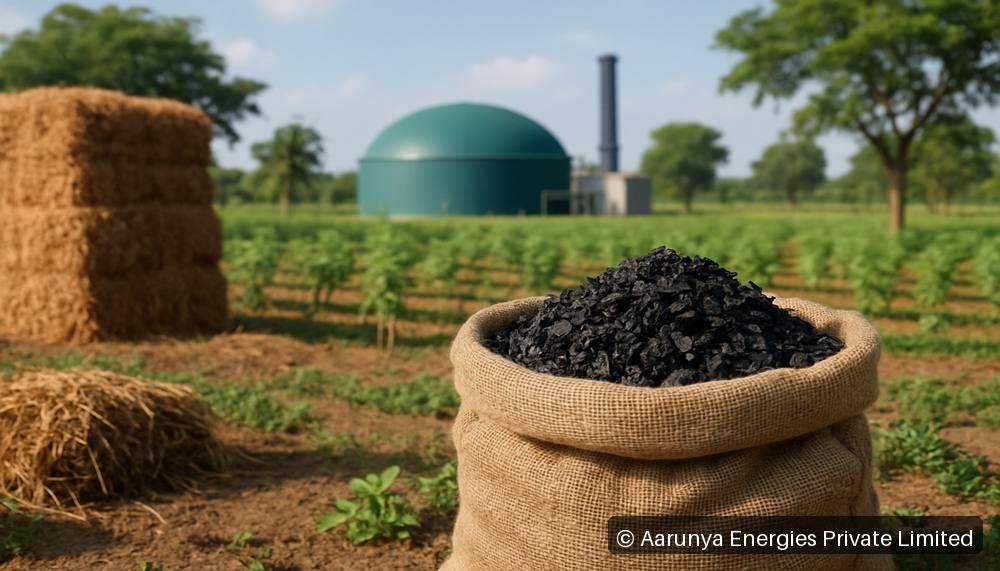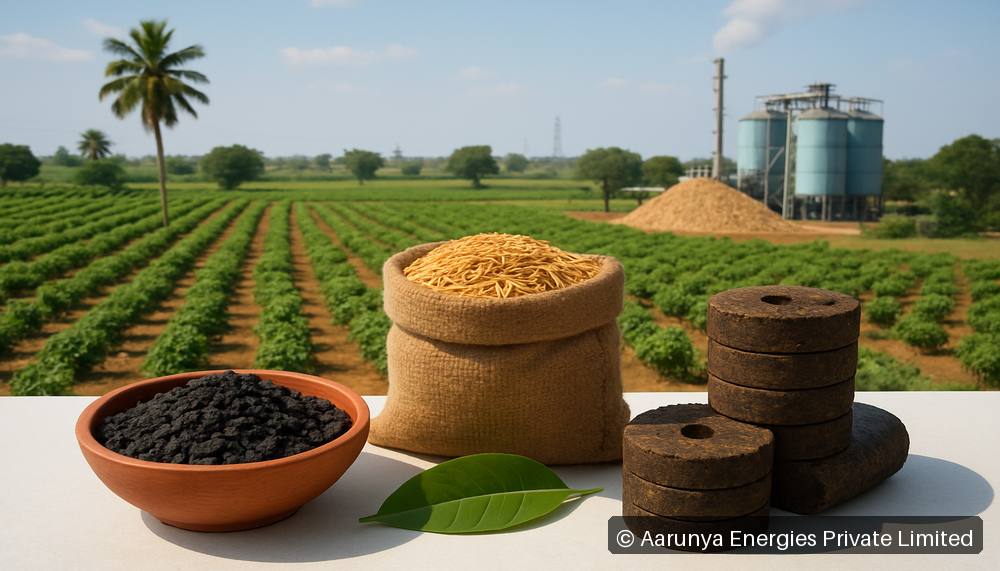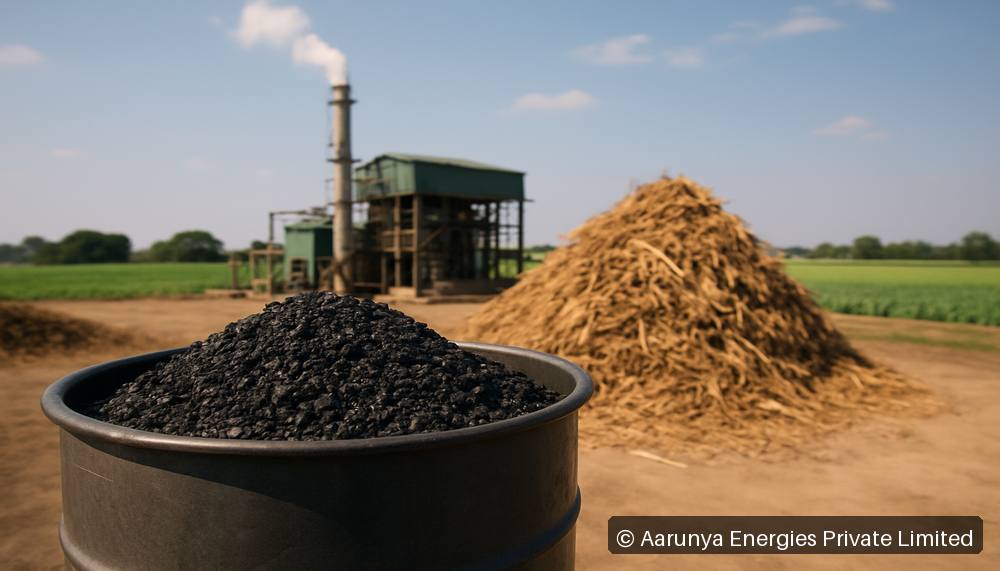
In recent years, the conversation surrounding sustainable agriculture in India has gained significant momentum. One of the most promising developments in this arena is the integration of biochar into agroecological practices. Biochar, a stable form of carbon produced from biomass through pyrolysis, offers numerous advantages, particularly in enhancing soil health and improving agricultural productivity. This article explores the synergy between biochar and agroecology, highlighting its potential benefits for farmers and the environment in India.
Agroecology is an approach to farming that prioritizes ecological principles, promoting biodiversity, and sustainable resource management. It emphasizes the importance of local knowledge and practices, aiming to create a resilient agricultural system that can withstand the challenges posed by climate change. The application of biochar in agroecological practices aligns perfectly with these goals, as it not only enhances soil quality but also contributes to carbon sequestration, thereby mitigating climate change effects.
One of the primary benefits of biochar is its ability to improve soil structure and fertility. When incorporated into the soil, biochar enhances water retention, nutrient availability, and microbial activity. These factors are crucial for the success of agroecological systems, which rely on healthy, living soils to produce food sustainably. In regions of India where soil degradation is a significant issue, the application of biochar can reverse some of the damage caused by conventional farming practices.
Moreover, biochar plays a vital role in carbon sequestration. By converting biomass waste into biochar, we can reduce greenhouse gas emissions that would otherwise be released into the atmosphere through decomposition or burning. This process not only sequesters carbon but also reduces the reliance on fossil fuels, aligning with India's commitment to sustainable development and renewable energy goals. The potential for biochar to offset carbon emissions makes it a valuable tool in the fight against climate change, particularly in a country like India, which is highly vulnerable to its impacts.
In addition to enhancing soil health and contributing to carbon sequestration, biochar can also improve the efficiency of nutrient use in agriculture. Traditional farming often relies heavily on chemical fertilizers, which can lead to soil degradation and water pollution. Biochar, however, has a high cation exchange capacity, allowing it to retain nutrients in the soil and make them more available to plants. This characteristic can significantly reduce the need for chemical fertilizers, promoting a more sustainable approach to farming and reducing input costs for farmers.
Implementing biochar in agroecological practices also supports waste management efforts. In India, agricultural waste is often burned, leading to air pollution and health issues. By utilizing this waste to produce biochar, farmers can convert a potential environmental hazard into a valuable resource. This not only helps in managing agricultural residues but also contributes to the circular economy, where waste is transformed into a productive input.
The integration of biochar into agroecological systems in India is not without its challenges. Educating farmers about the benefits of biochar and providing the necessary infrastructure for its production and application are crucial steps for successful implementation. Research institutions, NGOs, and government bodies must collaborate to create awareness and provide support to farmers transitioning to biochar-enhanced agroecological practices.
In conclusion, the synergy between biochar and agroecology presents a significant opportunity for sustainable agriculture in India. By improving soil health, enhancing nutrient use efficiency, supporting carbon sequestration, and facilitating waste management, biochar can play a pivotal role in transforming India's agricultural landscape. As the nation faces increasing pressures from climate change and food security challenges, embracing biochar within agroecological frameworks could be a key strategy in fostering resilience and sustainability in the agricultural sector.