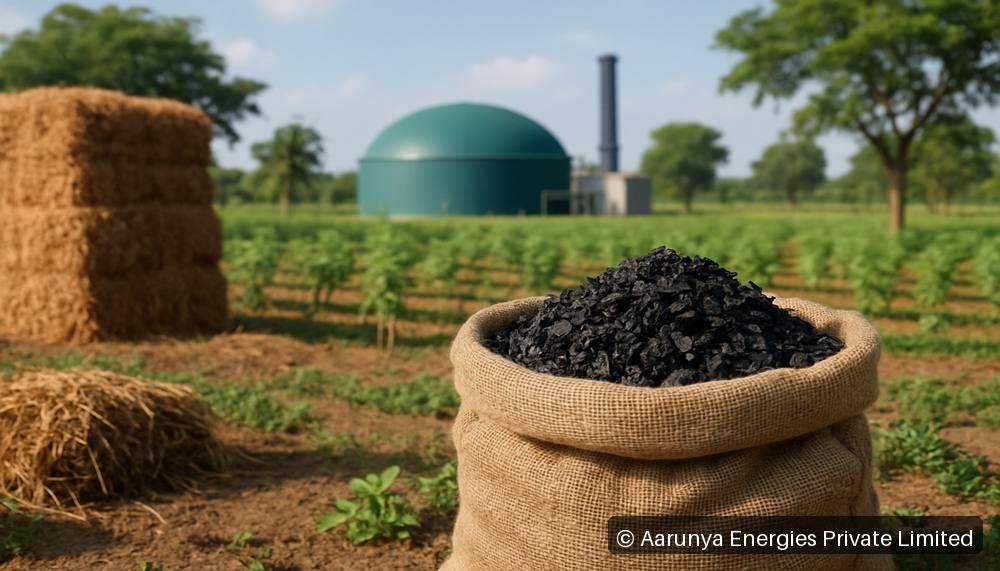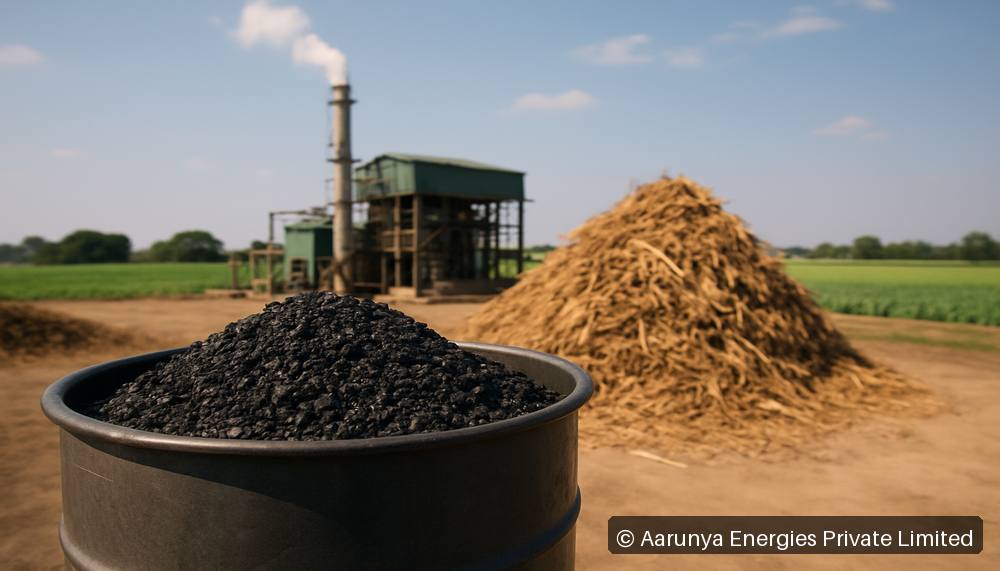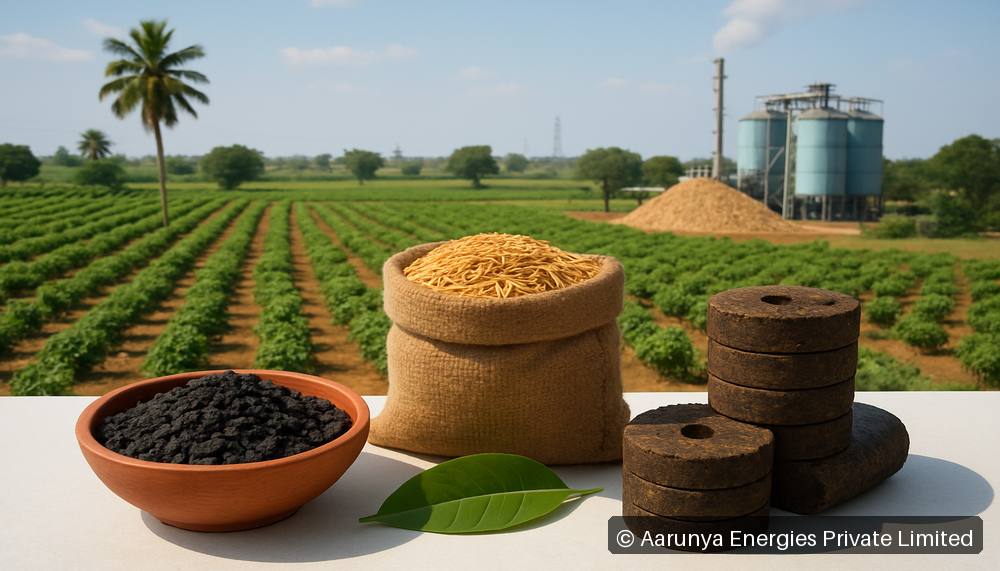
Biochar, a carbon-rich product derived from the pyrolysis of organic material, is gaining traction in Indian horticulture as an effective soil amendment. This innovative approach not only enhances soil quality but also contributes to sustainable agricultural practices. In this article, we will explore the benefits of biochar, particularly in the Indian context, and present several compelling case studies that highlight its efficacy in improving soil health and boosting horticultural productivity.
The primary advantage of biochar in soil enhancement lies in its unique physical and chemical properties. Biochar improves soil structure, increases water retention, and provides a habitat for beneficial soil microorganisms. Its porous nature allows it to retain nutrients, making them more accessible to plants. Moreover, biochar helps in sequestering carbon, thus playing a vital role in mitigating climate change.
One notable case study comes from a small-scale farm in Maharashtra, where farmers integrated biochar into their horticultural practices. They applied biochar made from agricultural waste, such as sugarcane bagasse and rice husks, to their soil. Over two growing seasons, they observed a significant increase in soil organic matter, improved soil aeration, and enhanced water holding capacity. As a result, the farmers reported a 30% increase in the yield of vegetables such as tomatoes and peppers, showcasing how biochar can effectively boost productivity in Indian horticulture.
In another case, a cooperative in Tamil Nadu experimented with biochar to address soil fertility issues in their orchards. The cooperative sourced biochar from a local biomass processing facility and applied it to the soil around their mango trees. Within a year, soil tests indicated higher levels of essential nutrients like nitrogen and phosphorus. The mango trees not only exhibited healthier growth but also produced fruit with better quality and taste. This case illustrates the potential of biochar to enhance the quality of produce, which is crucial for farmers aiming to compete in both local and international markets.
The benefits of biochar extend beyond enhancing soil fertility. It also contributes to sustainable waste management practices. In Punjab, farmers facing the challenge of crop residue burning turned to biochar as a solution. By converting their agricultural waste into biochar, they not only reduced air pollution associated with burning but also enriched their soil. The introduction of biochar led to improved soil health, and farmers reported a marked reduction in the need for chemical fertilizers. This case emphasizes the dual advantage of biochar: environmental sustainability and agricultural productivity.
Moreover, biochar's role in improving soil health has garnered attention from research institutions in India. Studies conducted by agricultural universities have shown that biochar can increase microbial diversity in the soil, promoting a healthier ecosystem. A research project in Karnataka revealed that the application of biochar improved the soil's ability to retain moisture, which is particularly beneficial during dry spells. Such findings highlight the importance of biochar in enhancing resilience against climate variability, a pressing issue for Indian farmers.
To effectively utilize biochar in horticulture, it is essential to consider the feedstock and production methods. Different raw materials produce biochar with varying properties. For example, biochar derived from hardwood typically has higher carbon content compared to that from agricultural residues. Farmers are encouraged to collaborate with local biochar producers or engage in small-scale production using their agricultural waste, ensuring that the biochar is tailored to their specific soil needs.
In conclusion, the utilization of biochar in Indian horticulture presents a promising avenue for improving soil health and agricultural productivity. The case studies from Maharashtra, Tamil Nadu, and Punjab demonstrate the tangible benefits of biochar in enhancing yields, improving fruit quality, and promoting sustainable farming practices. As India faces challenges related to soil degradation and climate change, integrating biochar into horticultural practices can provide a viable solution. Farmers, researchers, and policymakers must collaborate to promote the adoption of biochar, ensuring a sustainable and productive future for Indian agriculture.