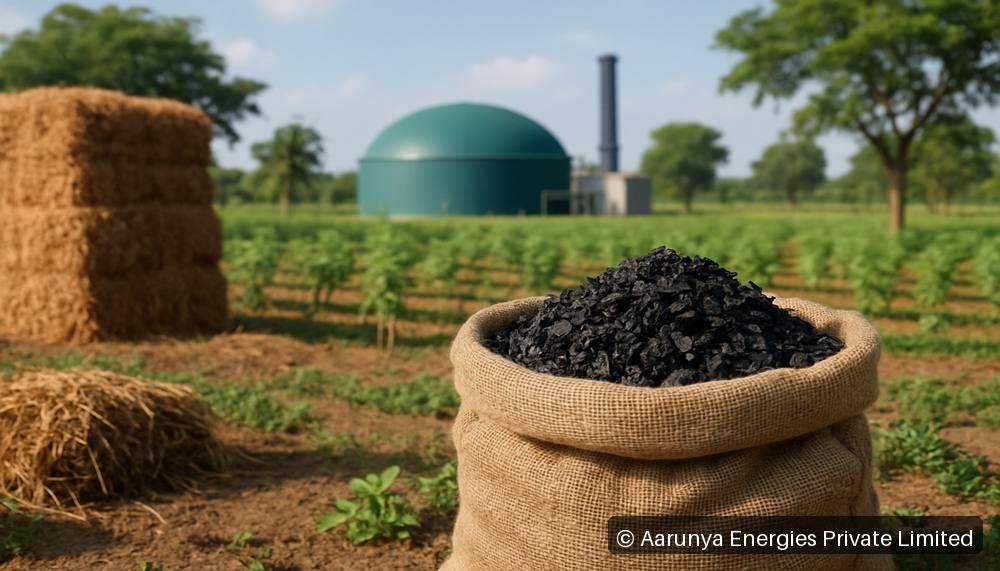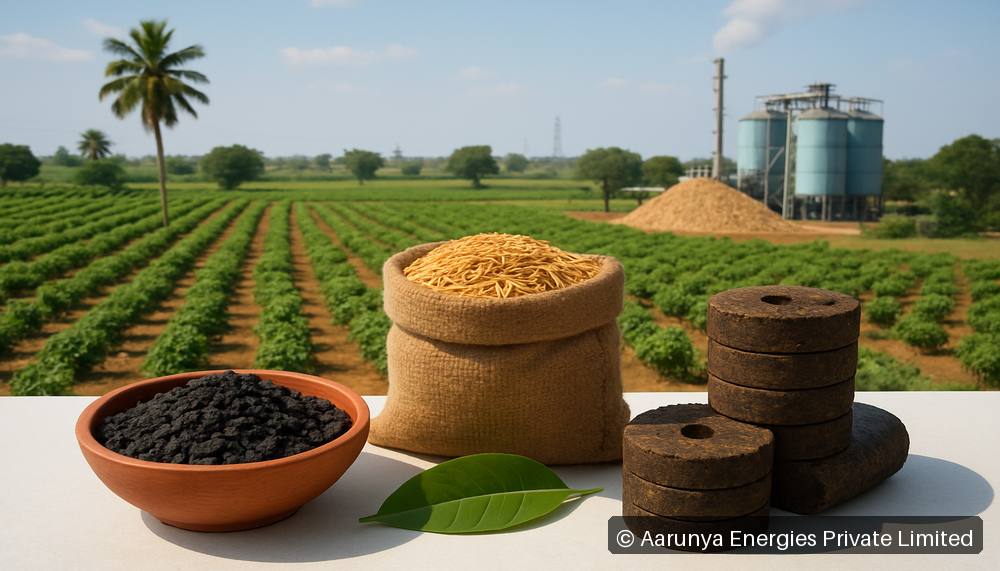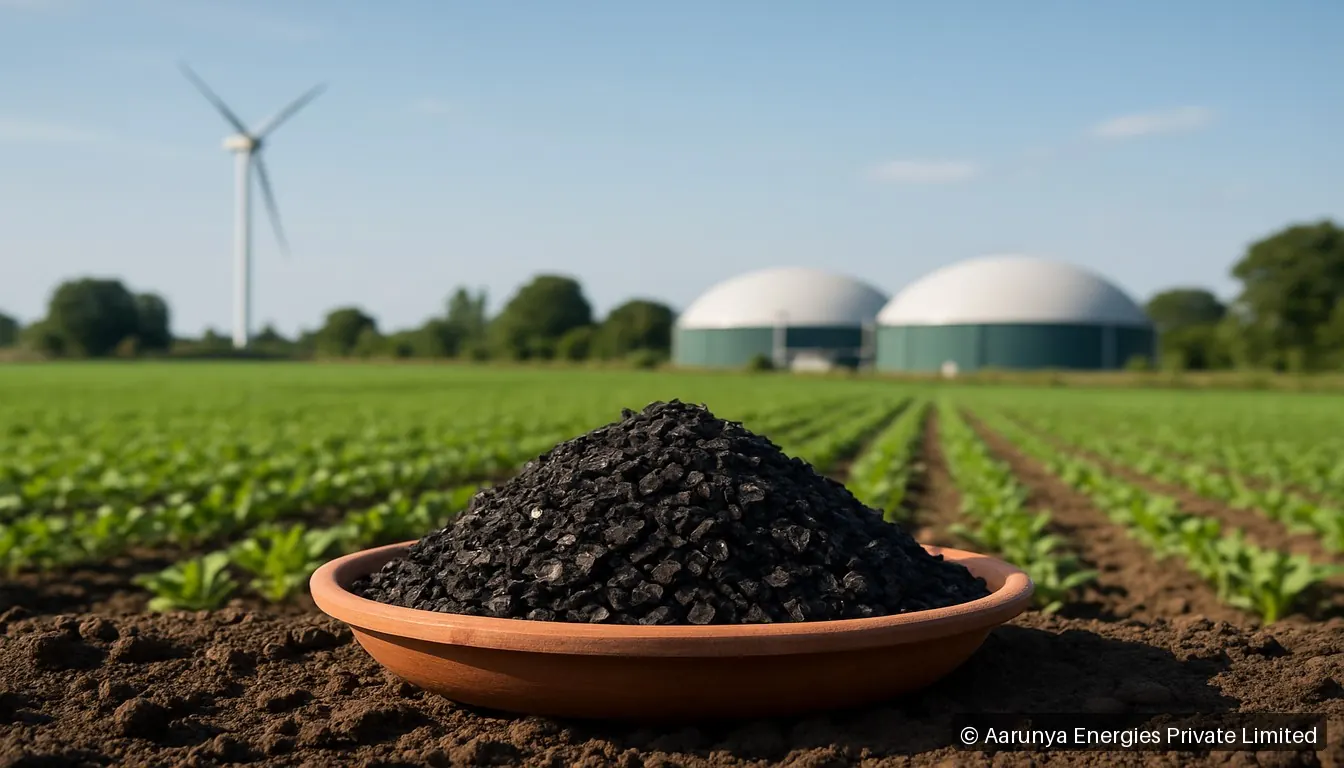
Biochar, a carbon-rich product derived from the pyrolysis of biomass, has emerged as a game-changer in modern agriculture, particularly for Indian farmers. With the growing concerns over soil degradation, climate change, and the need for sustainable farming practices, biochar offers a promising solution. This article delves into the benefits of biochar as a soil amendment and its potential to enhance crop yields for Indian farmers.
One of the primary advantages of biochar is its ability to improve soil health. In India, many agricultural lands suffer from poor soil quality due to factors such as overuse of chemical fertilizers, erosion, and deforestation. Biochar enhances soil structure, increases water retention, and improves nutrient availability. The porous nature of biochar allows it to hold moisture and nutrients, creating a better environment for plant roots. This is particularly beneficial in arid regions of India, where water scarcity is a significant challenge for farmers.
Furthermore, biochar is known to enhance soil fertility. It acts as a reservoir for nutrients, reducing leaching and making them available to plants over an extended period. For Indian farmers, this means less dependence on chemical fertilizers, which can lead to reduced costs and lower environmental impact. Studies have shown that the application of biochar can significantly boost the availability of essential nutrients such as nitrogen, phosphorus, and potassium in the soil, translating into healthier crops and improved yields.
Another critical benefit of biochar is its role in carbon sequestration. Given India’s commitment to combat climate change and reduce greenhouse gas emissions, biochar serves as an effective strategy for carbon management. By converting biomass waste into biochar, we not only improve soil health but also trap carbon that would otherwise be released into the atmosphere. This dual advantage aligns with global sustainability goals and supports farmers in adopting eco-friendly practices.
In addition to improving soil properties, biochar can also foster beneficial microbial activity in the soil. The structured surface of biochar provides a habitat for beneficial microorganisms, which play a crucial role in nutrient cycling and soil health. This microbial activity can lead to improved plant growth and resilience against pests and diseases, providing Indian farmers with an organic option to enhance their crop production.
Moreover, the application of biochar can help mitigate soil acidity, a common issue in many parts of India. By neutralizing soil pH, biochar creates a more favorable environment for crop growth, allowing farmers to cultivate a wider variety of crops. This adaptability is particularly important in the context of changing climate conditions, where crop diversity can enhance food security.
As Indian agriculture faces the dual challenges of feeding a growing population and adapting to climate change, biochar presents a sustainable solution that can improve soil health and boost crop yields. Farmers can utilize local biomass residues, such as agricultural waste, to produce biochar, making it a cost-effective amendment that supports circular economy principles.
Government initiatives and support for biochar production and application can further accelerate its adoption among farmers. Training programs, subsidies, and research into local biochar production methods can empower farmers to integrate biochar into their practices, ultimately leading to increased productivity and sustainability in Indian agriculture.
In conclusion, biochar stands out as a powerful tool for Indian farmers looking to enhance soil health and improve crop yields. Its multifaceted benefits, from improving soil fertility to sequestering carbon, make it an essential component of sustainable agriculture. By embracing biochar, farmers can not only increase their productivity but also contribute to a healthier environment and a more sustainable future for agriculture in India.