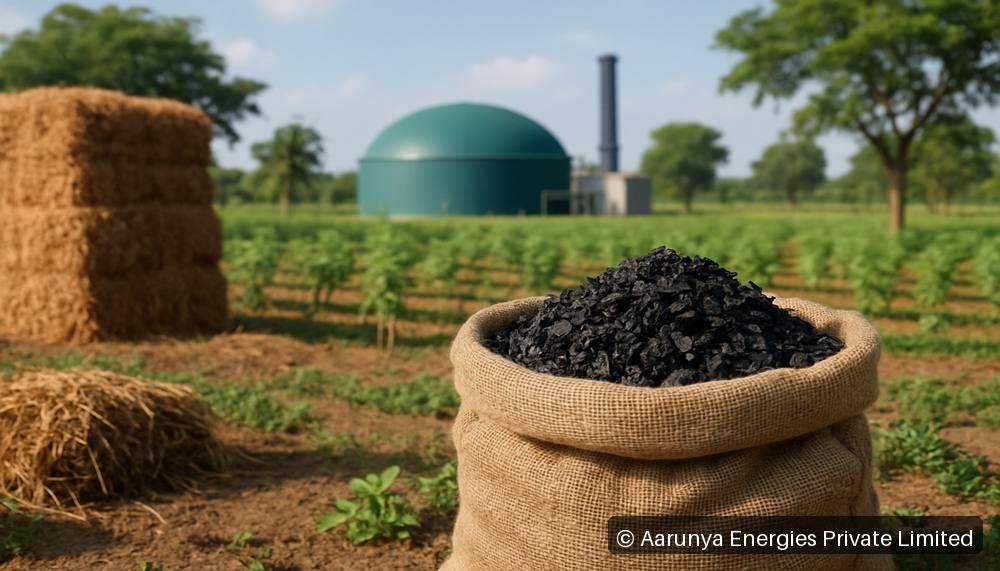
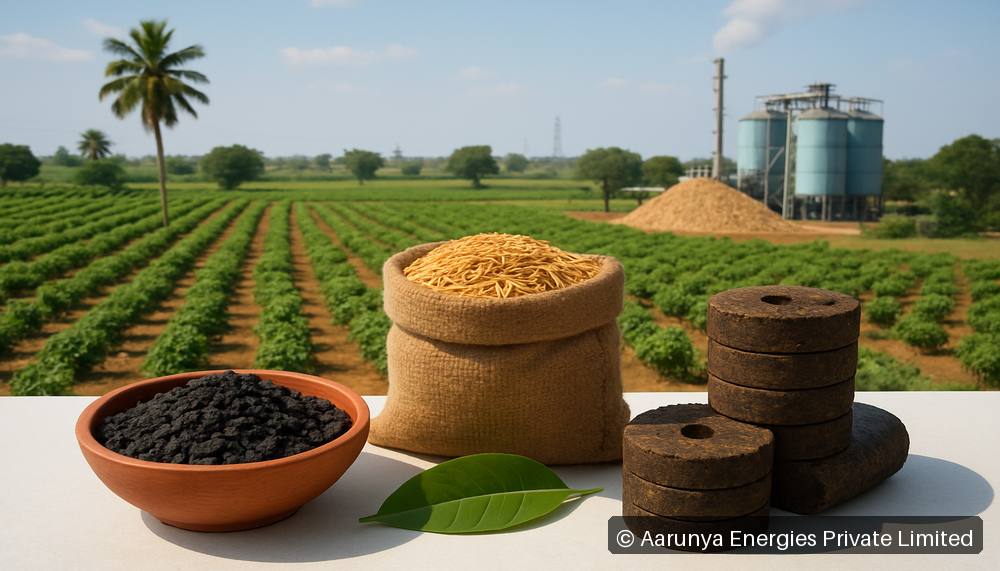
The challenges of dryland farming are well-known, particularly in regions like Rajasthan and Vidarbha, where arid conditions can severely limit agricultural productivity. One innovative solution gaining traction in these areas is biochar, a carbon-rich material produced from the pyrolysis of organic matter. This article explores how biochar can significantly enhance water retention in soils, providing valuable lessons for farmers and agricultural practitioners in these regions.
Biochar's structure is porous and can hold significant amounts of water, making it a beneficial addition to dryland farming systems. When incorporated into the soil, biochar improves its physical properties, allowing it to retain moisture more effectively. This is particularly essential in arid regions where water scarcity is a persistent issue. By increasing the water-holding capacity of the soil, biochar can help crops withstand prolonged dry spells, which are becoming more frequent due to climate change.
In Rajasthan, farmers have begun to adopt biochar as part of their soil management practices. The state is characterized by extreme temperatures and limited rainfall, making water retention a critical factor for agricultural success. By integrating biochar into their fields, farmers have reported improved crop yields and better soil structure. The high porosity of biochar not only allows it to hold water but also enhances aeration and root development, creating a more conducive environment for plant growth.
Similarly, in Vidarbha, where farmers often face challenges related to drought and soil degradation, the application of biochar has shown promising results. Local agricultural research institutions have conducted trials demonstrating that biochar can increase the moisture retention capabilities of different soil types. These trials have indicated that crops grown in biochar-amended soils require less frequent irrigation, thereby conserving water resources and reducing farmers' dependency on erratic monsoon patterns.
Moreover, the benefits of biochar extend beyond water retention. Its application can improve soil fertility by providing essential nutrients, thus reducing the need for chemical fertilizers. This aligns with the growing movement towards sustainable agriculture in India, where farmers are increasingly seeking ways to minimize their environmental impact while maintaining productivity. By enhancing soil health, biochar contributes to the long-term sustainability of agricultural practices in dryland regions.
Additionally, the production of biochar can utilize agricultural waste materials, such as crop residues and other biomass, which are often burned or left unused. This not only provides a practical solution for waste management but also supports the circular economy. Farmers can convert their waste into a valuable resource, turning potential environmental hazards into soil enhancers. The use of local biomass for biochar production also contributes to energy savings and reduces greenhouse gas emissions, promoting a more sustainable agricultural model.
As farmers in Rajasthan and Vidarbha explore the potential of biochar, it is essential to provide them with the necessary training and resources. Educational programs that highlight the preparation, application, and benefits of biochar can empower farmers to adopt this innovative practice. Collaborative efforts between government bodies, NGOs, and agricultural research institutions can facilitate knowledge sharing and provide technical support, ensuring that farmers can effectively implement biochar in their farming systems.
In conclusion, biochar presents a promising solution for enhancing water retention in dryland farming, particularly in regions like Rajasthan and Vidarbha. By improving soil structure, fertility, and moisture retention, biochar can help farmers adapt to the challenges posed by climate change and water scarcity. As awareness and accessibility of biochar continue to grow, it has the potential to transform dryland agriculture into a more resilient and sustainable practice, ensuring food security for future generations.