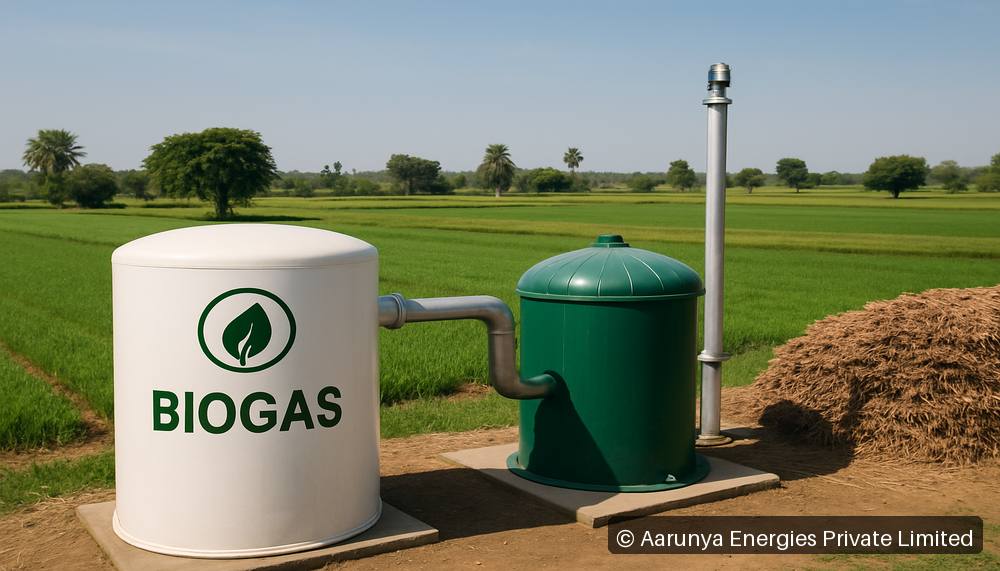
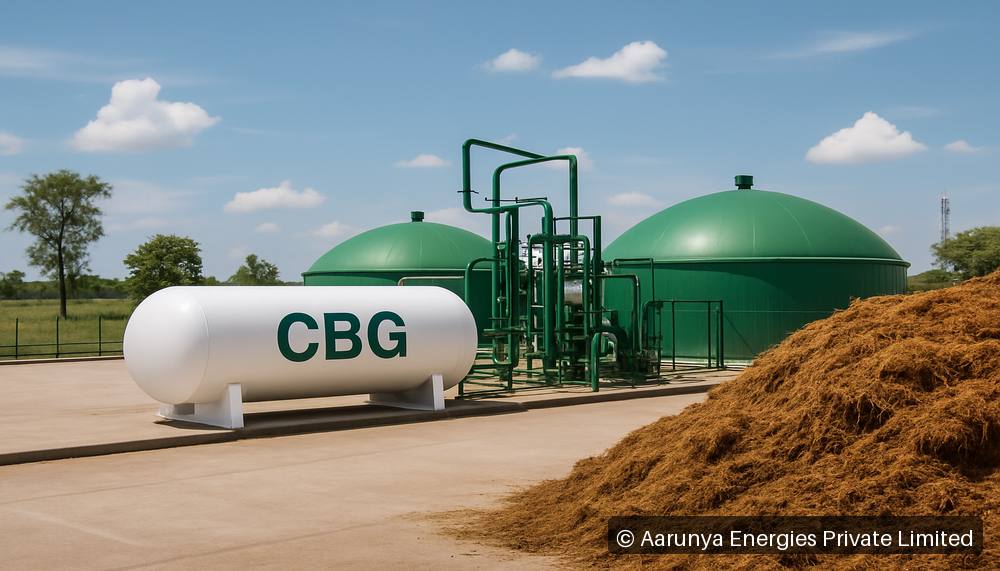
As the world increasingly turns towards sustainable energy solutions, the choice between biogas and CBG (Compressed Biogas) has become a crucial consideration for energy plants. Both biogas and CBG are derived from organic matter, yet they serve different purposes and have distinct characteristics. Understanding these differences is essential for making informed decisions about energy production in India.
Biogas is a mixture of gases produced through the anaerobic digestion of organic materials such as agricultural waste, manure, and food scraps. Typically composed of methane (50-75%), carbon dioxide (25-50%), and trace amounts of other gases, biogas is primarily used for heating, electricity generation, and as a vehicle fuel in its raw form. It can be generated on-site in biogas plants or through decentralized systems, making it accessible for rural and urban applications alike.
In contrast, CBG is a purified form of biogas that undergoes further processing to enhance its quality. The primary goal of producing CBG is to achieve a higher methane content, typically above 90%, which significantly increases its energy density. CBG is often compressed for storage and transportation, making it a versatile energy source suitable for various applications, such as fuel for vehicles, industrial heating, and even injection into natural gas grids.
One of the main differences between biogas and CBG lies in their production processes and end-use applications. While biogas can be used directly in engines or boilers, CBG requires additional upgrading and compression to meet quality standards for commercial use. This additional processing step makes CBG a more refined product, allowing it to compete with fossil fuels in the energy market.
When deciding which option is right for your plant, consider the technical and economic aspects of both biogas and CBG. Biogas systems are generally simpler and cheaper to install, making them an attractive option for smaller operations or those with limited budgets. They require less sophisticated technology and can be integrated into existing waste management systems. However, the lower energy density of raw biogas may limit its application in high-demand scenarios.
On the other hand, if your plant has the capacity to invest in the necessary infrastructure for CBG production, the long-term benefits can be substantial. The higher methane concentration translates to more energy output per unit volume, thereby enhancing the overall efficiency of your operations. Additionally, CBG's compatibility with existing natural gas infrastructure provides an opportunity for broader market access and integration.
Another factor to consider is the regulatory landscape in India. The Indian government has been promoting the use of biogas and CBG through various schemes and subsidies to encourage renewable energy adoption. Understanding the policies and incentives available for both biogas and CBG can significantly impact your decision-making process.
In summary, both biogas and CBG have their unique advantages and challenges. Biogas is a more straightforward and cost-effective solution, especially for small-scale operations looking to utilize organic waste efficiently. CBG, while requiring a higher initial investment, offers a more concentrated energy source that can be integrated into existing energy grids, paving the way for a cleaner energy future.
Ultimately, the choice between biogas and CBG should align with your plant's operational goals, budget constraints, and market conditions. By carefully evaluating these factors, you can determine the most suitable renewable energy solution to meet your needs and contribute to a sustainable energy landscape in India.