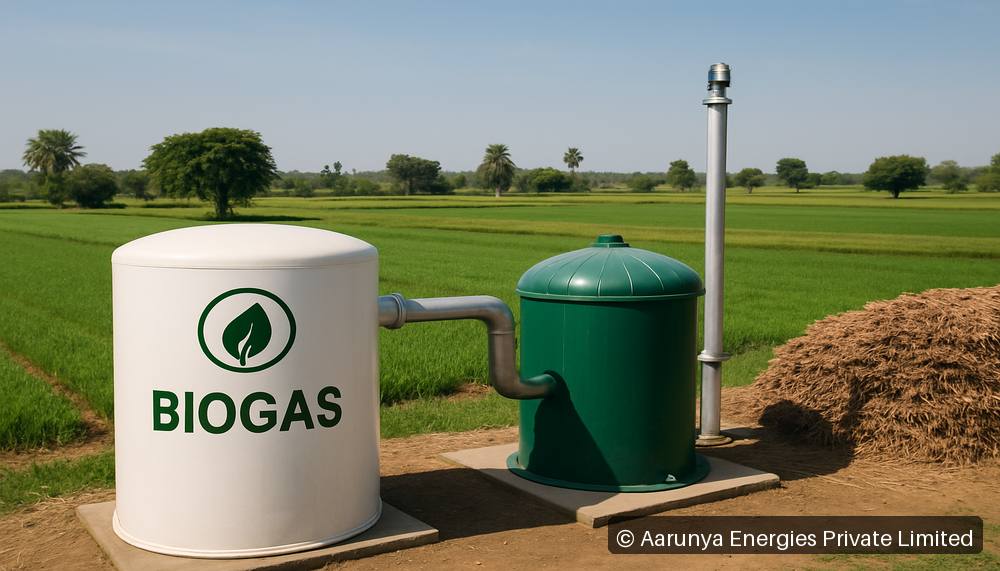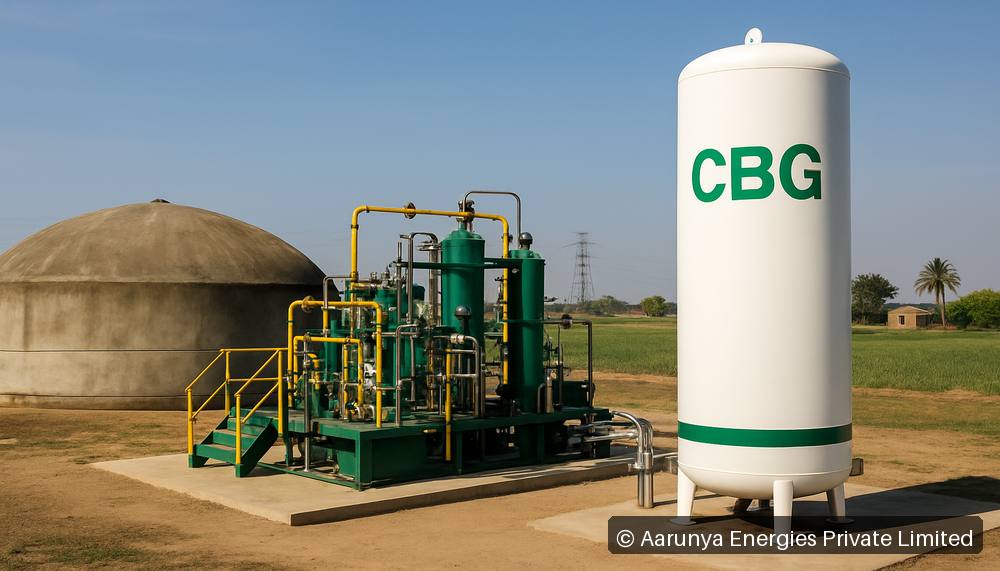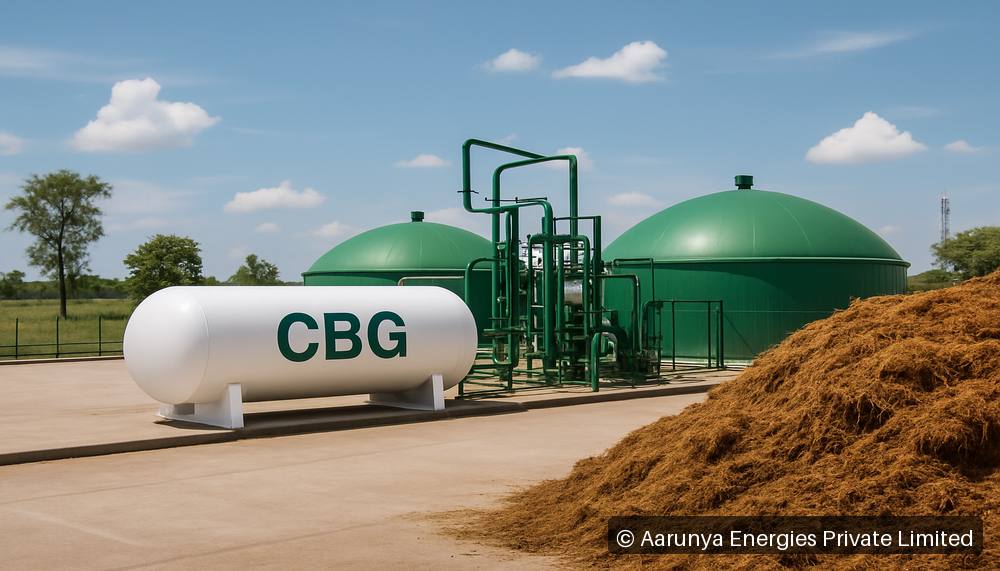
Compressed biogas (CBG) is emerging as a transformative force in India's rural infrastructure development. As the country grapples with energy shortages and seeks sustainable solutions, CBG presents a viable alternative, leveraging the abundance of agricultural waste and organic materials in rural areas. This article delves into the significance of compressed biogas in enhancing rural infrastructure and its potential to drive economic growth.
India's vast agricultural landscape generates a substantial amount of biomass, including crop residues, livestock waste, and organic municipal waste. Traditionally, this biomass has been underutilized, leading to environmental challenges and missed economic opportunities. However, with advancements in technology, compressed biogas production has become feasible, converting these waste materials into a valuable energy source. CBG, produced through anaerobic digestion, is clean, renewable, and can be used for various applications including electricity generation, heating, and as a fuel for vehicles.
The integration of CBG into rural infrastructure can significantly enhance energy access. In many rural areas of India, electricity supply is erratic, and households often rely on kerosene or firewood for cooking and heating. CBG can provide a reliable and clean energy source, reducing dependence on fossil fuels and improving the quality of life for rural residents. Moreover, CBG can be utilized to power microgrids, which can be essential for electrifying remote villages, thereby facilitating socio-economic development.
Furthermore, the production of compressed biogas can stimulate rural economies. Establishing CBG production units creates jobs, from the collection of raw materials to the operation of biogas plants. This not only generates employment opportunities but also encourages entrepreneurship among local farmers and entrepreneurs. By investing in CBG facilities, rural communities can retain economic benefits that would otherwise be lost if agricultural waste were simply burned or discarded.
CBG also contributes to environmental sustainability, addressing two major issues: waste management and greenhouse gas emissions. The anaerobic digestion process not only generates biogas but also produces digestate, which can be used as a high-quality fertilizer. This helps in closing the nutrient loop in agriculture, promoting sustainable farming practices. Additionally, by capturing methane emissions that would otherwise escape into the atmosphere, CBG production significantly reduces the carbon footprint of rural areas, aligning with India’s commitment to combat climate change.
The Indian government has recognized the potential of compressed biogas and is actively promoting its adoption through various initiatives. Schemes like the Pradhan Mantri Ujjwala Yojana aim to provide cleaner cooking fuels, while policies supporting renewable energy development encourage investment in CBG projects. These initiatives create a favorable ecosystem for CBG production, making it an attractive option for investors and entrepreneurs alike.
Moreover, collaborations between governments, private sector players, and local communities are crucial for the successful implementation of CBG projects. Knowledge sharing, capacity building, and financial support can help overcome the initial barriers to entry, ensuring that rural communities can effectively engage in CBG production and benefit from its advantages.
In summary, compressed biogas plays a vital role in the development of rural infrastructure in India. By harnessing local biomass resources, CBG offers a sustainable energy solution that enhances energy access, stimulates economic growth, and promotes environmental sustainability. As India continues its journey towards a greener future, investing in compressed biogas will be instrumental in building resilient rural communities and fostering overall development. The potential of CBG in transforming rural infrastructure cannot be overstated, making it a key player in India's renewable energy landscape.