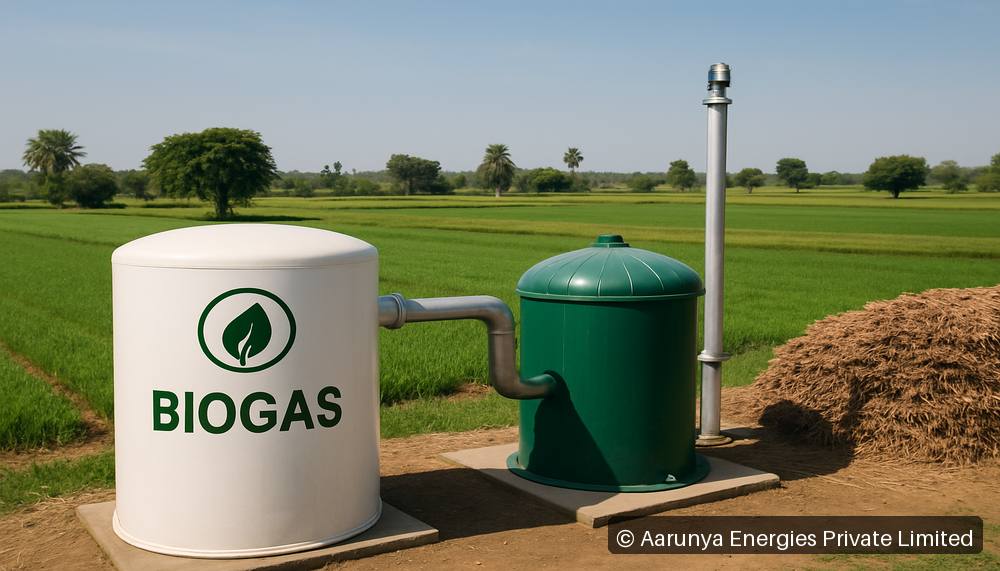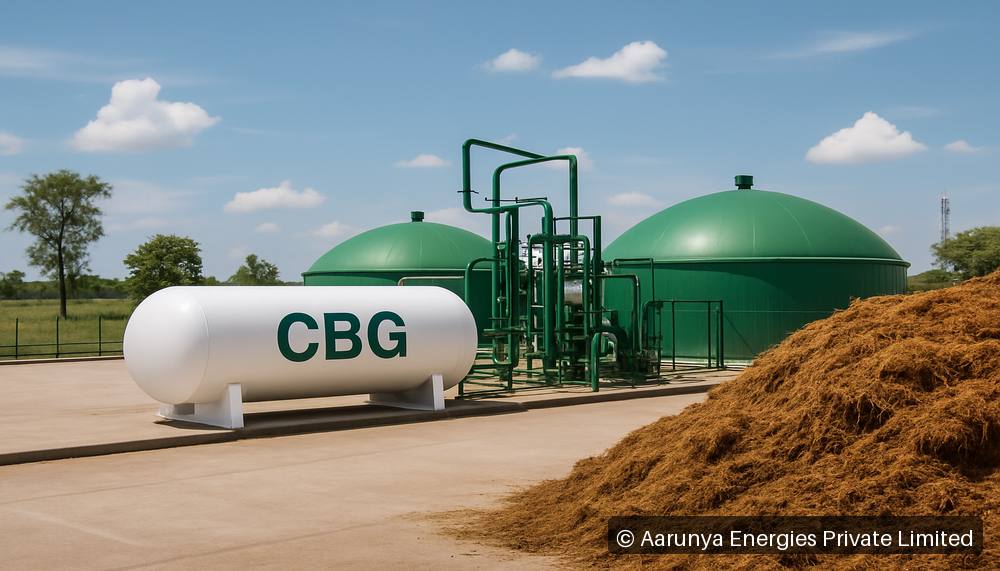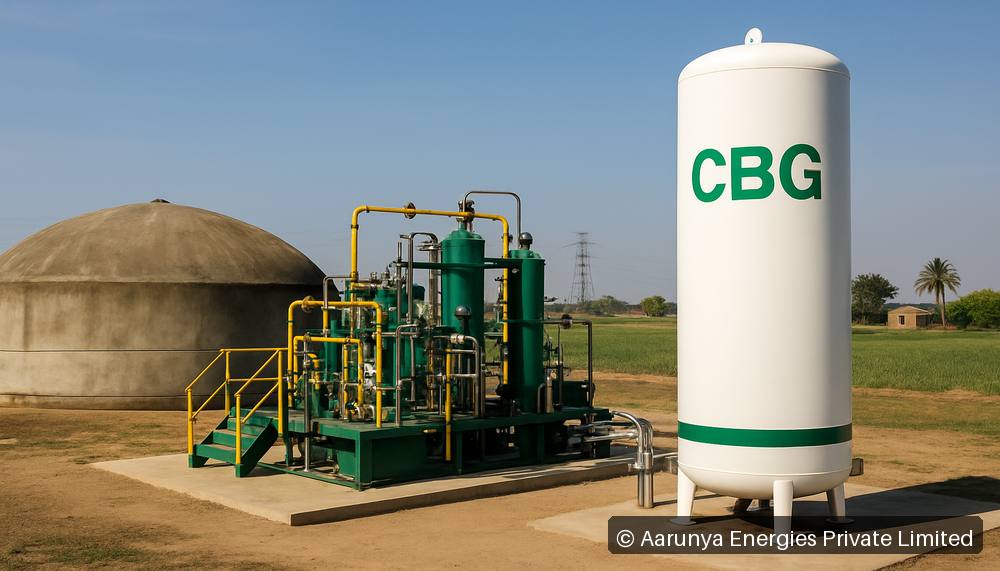
India's rural electrification initiatives face numerous challenges, including limited access to reliable power sources and the need for sustainable energy solutions. In this context, biogas has emerged as a vital player, contributing to energy access and promoting long-term sustainability in rural areas.
Biogas, produced through the anaerobic digestion of organic matter, offers a renewable energy source that can be harnessed from agricultural residues, animal waste, and other biodegradable materials. With India's vast agricultural landscape, the potential for biogas production is immense. The government has recognized this potential and integrated biogas into its rural electrification strategies, focusing on improving energy access and reducing dependency on fossil fuels.
One of the most significant advantages of biogas is its ability to provide a decentralized energy solution. In many rural regions, extending the electrical grid can be logistically challenging and economically unfeasible. Biogas plants can be established locally, allowing communities to produce their energy and meet their specific needs. This decentralization not only enhances energy security but also empowers local populations, enabling them to take charge of their energy resources.
The Indian government has been actively promoting biogas as part of its broader energy strategy. Initiatives like the National Biogas and Manure Management Program aim to facilitate the installation of biogas plants in rural households. By providing subsidies and technical support, the government encourages farmers and rural residents to adopt biogas technology, which in turn helps in reducing the dependence on traditional fuels like kerosene and firewood.
The environmental benefits of biogas are substantial. By utilizing organic waste materials, biogas production significantly reduces greenhouse gas emissions compared to conventional fossil fuels. Furthermore, the byproducts of biogas production, namely digestate, can be used as a high-quality fertilizer, enhancing soil fertility and supporting sustainable agricultural practices. This creates a circular economy where waste is converted into valuable resources, contributing to environmental sustainability.
The role of biogas in rural electrification is not limited to energy production; it also has a direct impact on improving livelihoods. Access to biogas can help rural families save money on energy costs, as they no longer need to purchase expensive fuels. Additionally, biogas can power household appliances, improve cooking facilities, and even facilitate small-scale industries, creating new employment opportunities in rural areas. The income generated from these ventures can stimulate local economies and enhance overall community well-being.
Moreover, biogas technology fosters gender empowerment in rural communities. Women, who are often responsible for managing household energy needs, benefit significantly from the adoption of biogas systems. By reducing the time spent on collecting firewood or purchasing fuels, women can allocate more time to education, entrepreneurship, and other productive activities. This shift contributes to greater gender equality and social development in rural India.
Despite its advantages, the widespread adoption of biogas technology in India faces certain challenges. Many rural communities lack awareness about the benefits of biogas and the technology involved. There is also a need for more robust infrastructure and technical support to ensure the successful installation and maintenance of biogas plants. Addressing these challenges will require concerted efforts from the government, private sector, and civil society to create awareness, provide training, and develop financing models suitable for rural settings.
In conclusion, biogas plays a pivotal role in India's rural electrification initiatives by providing a sustainable, decentralized energy source that enhances energy access, promotes environmental sustainability, and improves livelihoods. As India continues to strive for comprehensive rural electrification, the integration of biogas technology into its energy landscape will be crucial for achieving energy security and sustainable development. With the right policies, investments, and community engagement, biogas can significantly contribute to transforming the energy landscape of rural India.