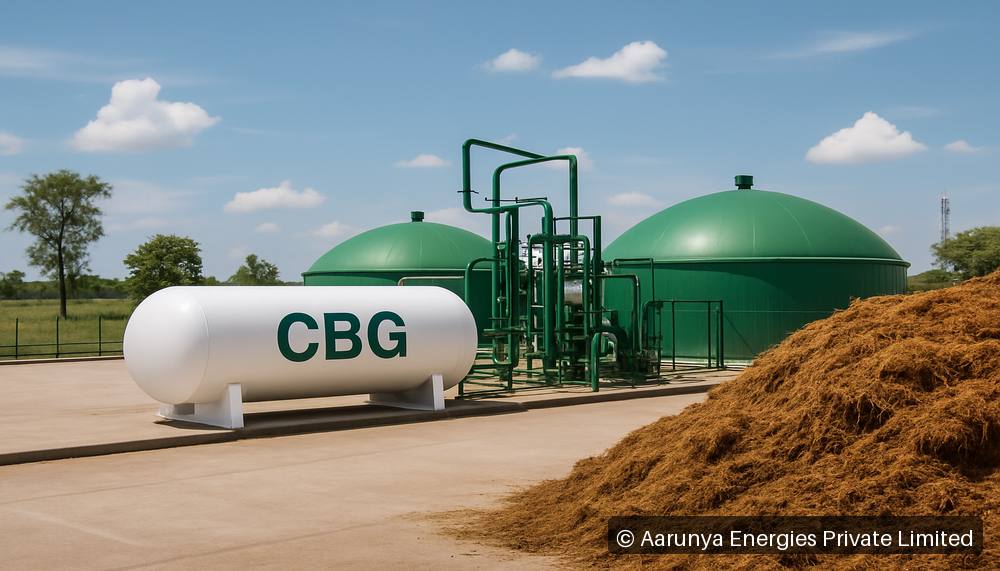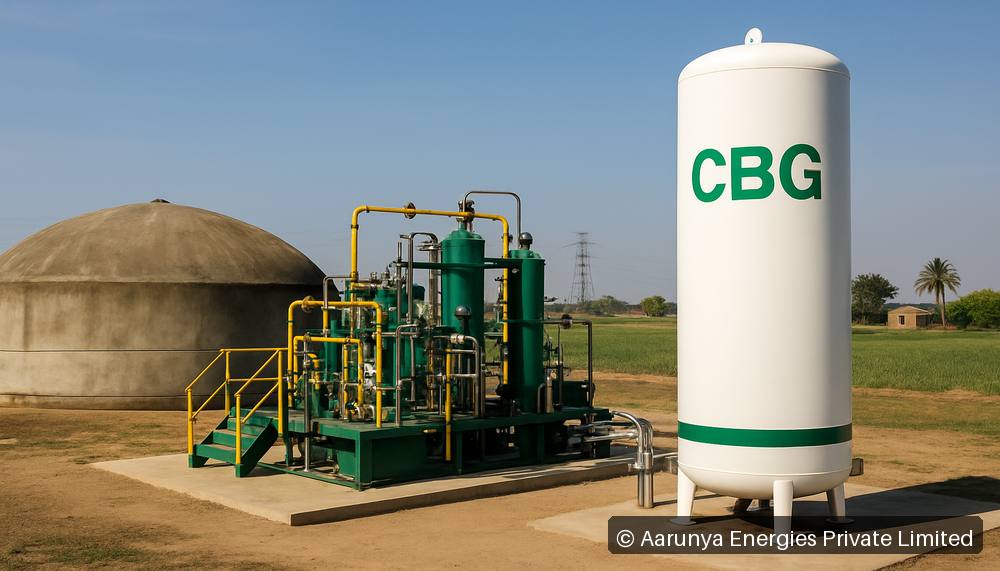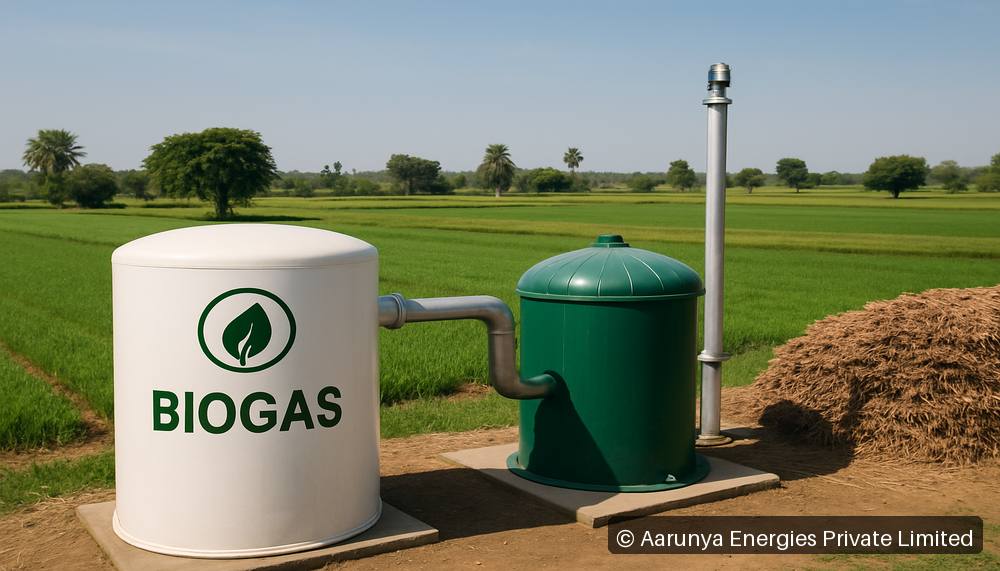
In India, agriculture remains the backbone of the economy, employing nearly half of the workforce and supporting millions of families. However, small farmers face numerous challenges, including low productivity, fluctuating market prices, and limited access to resources. One solution that holds promise for enhancing agricultural productivity is the use of Compressed Biogas (CBG). CBG, a renewable energy source derived from organic waste, not only supports sustainable farming practices but also improves the economic viability of small farmers across the country.
CBG is produced through anaerobic digestion, a process that breaks down organic matter in the absence of oxygen. This method allows for the conversion of agricultural residues, livestock manure, and other organic waste into a clean and efficient fuel. By utilizing CBG, small farmers can reduce their dependency on traditional fossil fuels and contribute to a cleaner environment.
One of the significant advantages of CBG for small farmers is its potential to enhance agricultural productivity. By integrating CBG production into their farming practices, farmers can convert waste into energy, which can be used to power agricultural machinery, irrigation systems, and other essential farm operations. This shift can lead to reduced energy costs, enabling farmers to allocate more resources to crop cultivation and livestock care, ultimately boosting their productivity.
Moreover, the adoption of CBG can improve soil health, a critical factor in agricultural productivity. The by-products of CBG production, such as digestate, are rich in nutrients and can be used as organic fertilizers. This organic fertilizer can enhance soil fertility, improve crop yields, and promote sustainable farming practices. Small farmers can leverage these by-products to enhance their soil quality, leading to better crop performance and higher income potential.
Additionally, CBG can help small farmers diversify their income streams. By producing CBG from agricultural waste, farmers not only reduce waste disposal problems but can also sell excess biogas to local energy markets. This additional revenue can provide financial stability and encourage farmers to invest in other aspects of their agricultural operations, such as technology adoption and diversification of crops.
The Indian government has recognized the importance of CBG and has introduced various initiatives to promote its production and usage. Programs such as the Pradhan Mantri Ujjwala Yojana and the National Biofuel Policy aim to boost the development of biofuels, including CBG, thereby supporting farmers and enhancing rural livelihoods. By investing in CBG projects, small farmers can align with these government initiatives, gaining access to funding and resources that can further support their agricultural productivity.
Moreover, the use of CBG aligns with the global shift towards sustainability and renewable energy. With the increasing emphasis on carbon footprint reduction and climate change mitigation, small farmers who adopt CBG can position themselves as leaders in sustainable agriculture. This can enhance their marketability, making their products more appealing to environmentally conscious consumers.
The scalability of CBG production is another critical factor that can benefit small farmers in India. Small-scale CBG plants can be established in rural areas, providing localized energy solutions and creating job opportunities within the community. This decentralization of energy production can lead to increased energy security and resilience against market volatilities.
In conclusion, Compressed Biogas (CBG) represents a significant opportunity for small farmers in India to enhance their agricultural productivity. By reducing energy costs, improving soil health, diversifying income streams, and aligning with government initiatives, CBG can empower small farmers to thrive in an increasingly competitive agricultural landscape. As India continues to evolve towards sustainable agricultural practices, investing in CBG could be a transformative step for small farmers, helping them achieve higher productivity while contributing to a greener future.