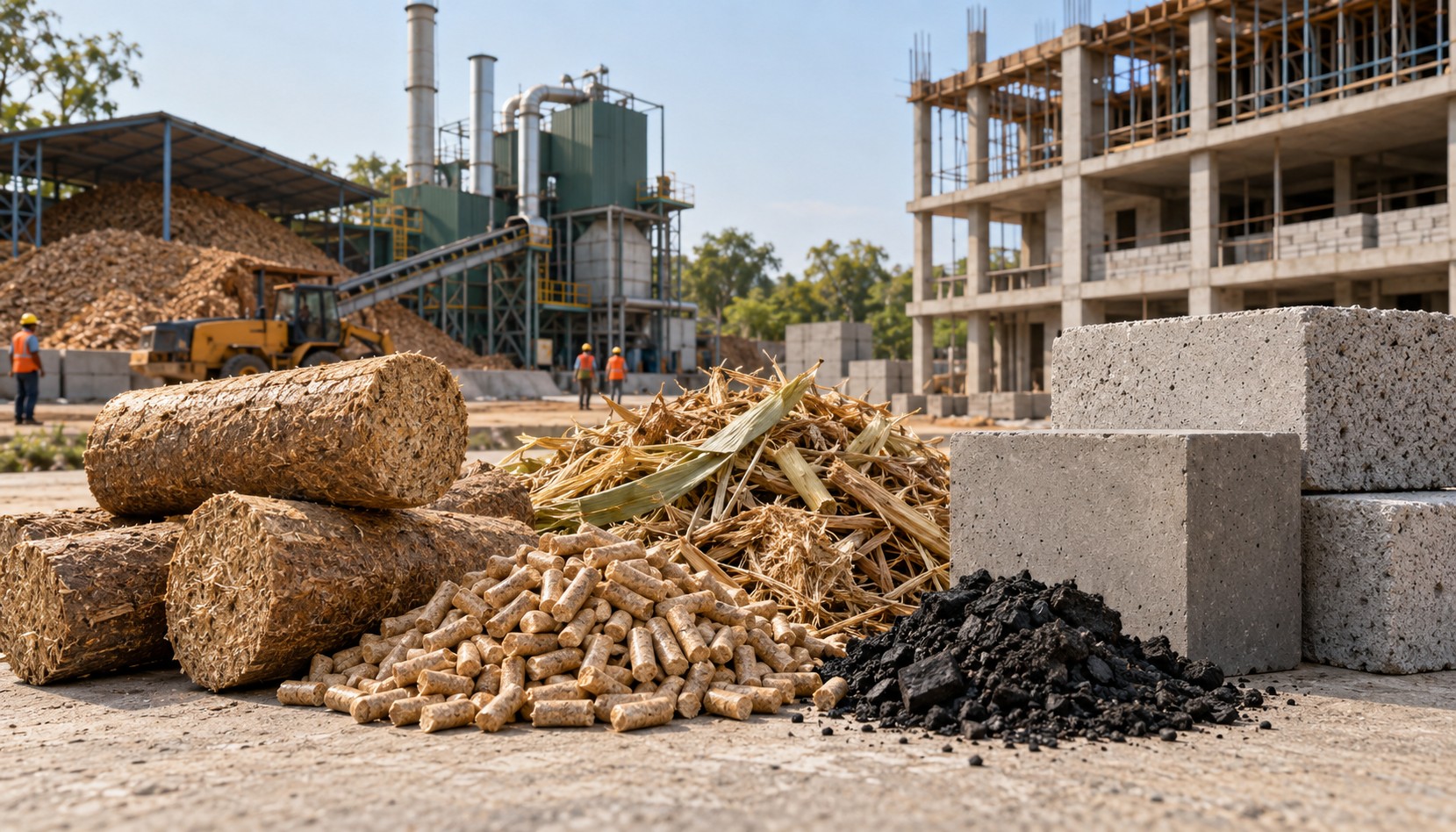
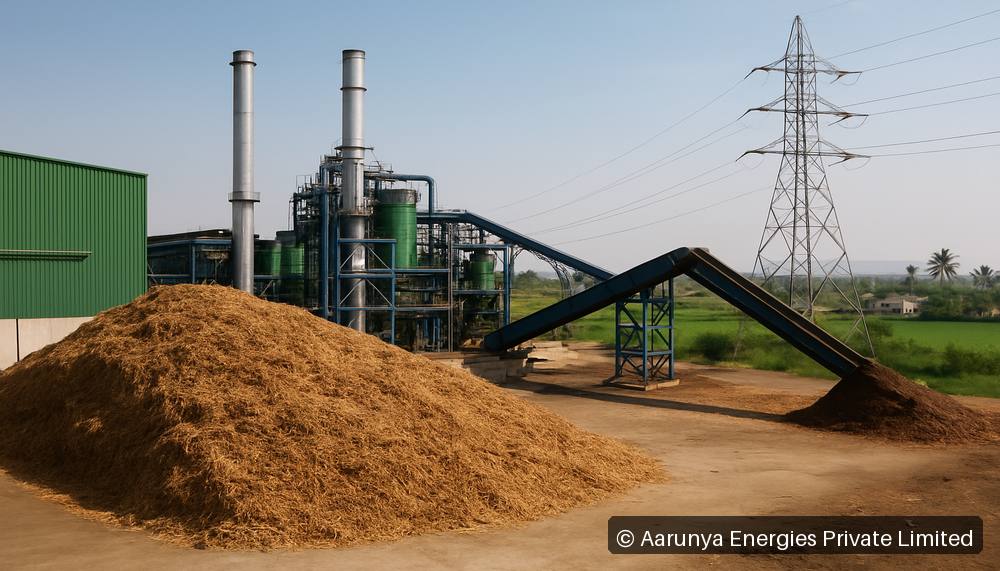
In India, the practice of crop burning has become a significant environmental challenge, contributing to severe air pollution and health issues. Farmers often burn crop residues to clear their fields quickly, leading to the release of harmful particulate matter and greenhouse gases into the atmosphere. In recent years, biomass briquettes have emerged as a viable solution to mitigate this pressing issue, transforming waste into a sustainable energy source while also addressing air quality concerns.
Biomass briquettes are solid fuels made from organic materials, such as agricultural residues, sawdust, and other biomass sources. These briquettes serve a dual purpose: they provide a means of waste management for farmers and offer an alternative energy source for cooking and heating. By converting crop residues into briquettes, farmers can not only reduce their reliance on fossil fuels but also minimize the environmental damage caused by burning.
The air pollution resulting from crop burning has reached alarming levels in many parts of India, particularly in states like Punjab and Haryana, where the practice is prevalent during the harvest season. The burning of paddy straw is a common practice after the rice harvest, releasing toxic smoke that contributes to smog, respiratory issues, and other health problems among the population. In contrast, biomass briquettes provide a cleaner-burning alternative that emits significantly lower levels of pollutants.
When biomass is converted into briquettes, it undergoes a process that removes moisture and compresses the organic material, resulting in a high-density fuel that burns more efficiently than raw biomass. This efficiency translates into reduced emissions of particulate matter, carbon monoxide, and other harmful gases. As a result, the use of biomass briquettes not only improves air quality but also contributes to a decrease in greenhouse gas emissions, aligning with India's goals for sustainable development and climate action.
Moreover, the use of biomass briquettes promotes a circular economy. Farmers can generate an additional income stream by selling their agricultural waste to briquette manufacturers, thereby reducing their overall waste disposal costs. This economic incentive encourages more farmers to adopt biomass briquetting, further decreasing the incidence of crop burning.
The Indian government has recognized the importance of biomass energy in the fight against air pollution. Various initiatives and policies have been introduced to promote the production and use of biomass briquettes. The National Biofuel Policy, for instance, aims to increase the utilization of biofuels, including biomass, thereby supporting the transition to cleaner energy sources.
In addition to governmental support, several non-governmental organizations (NGOs) and private sector companies are actively working to raise awareness about the benefits of biomass briquettes. Educational campaigns and workshops are being conducted to inform farmers about the advantages of briquettes over traditional crop burning. These efforts are crucial in changing mindsets and encouraging the adoption of sustainable practices.
The potential impact of biomass briquettes extends beyond just reducing air pollution. By utilizing agricultural residues, these briquettes help in conserving natural resources, such as trees, which are often cut down for fuel. This conservation is vital for maintaining biodiversity and promoting environmental sustainability.
Furthermore, the use of biomass briquettes can contribute to energy security in rural areas of India. As farmers and communities embrace briquettes as a reliable alternative to conventional fuels, they can reduce their dependence on imported fossil fuels, thus fostering energy independence and resilience.
In conclusion, biomass briquettes represent a significant opportunity to combat the air pollution crisis caused by crop burning in India. By converting agricultural waste into a clean, efficient fuel source, they not only mitigate the harmful effects of burning but also contribute to a more sustainable and circular economy. As the country continues to grapple with environmental challenges, promoting the adoption of biomass briquettes will be crucial in creating a healthier, cleaner future for all.