In recent years, the demand for eco-friendly energy solutions has surged in India, especially in the context of industrial kitchens. Among the various options available, biomass briquettes and liquefied petroleum gas (LPG) have emerged as popular fuels. This article aims to provide a comprehensive cost comparison between biomass briquettes and LPG for industrial kitchens in India, shedding light on their economic viability and environmental benefits.
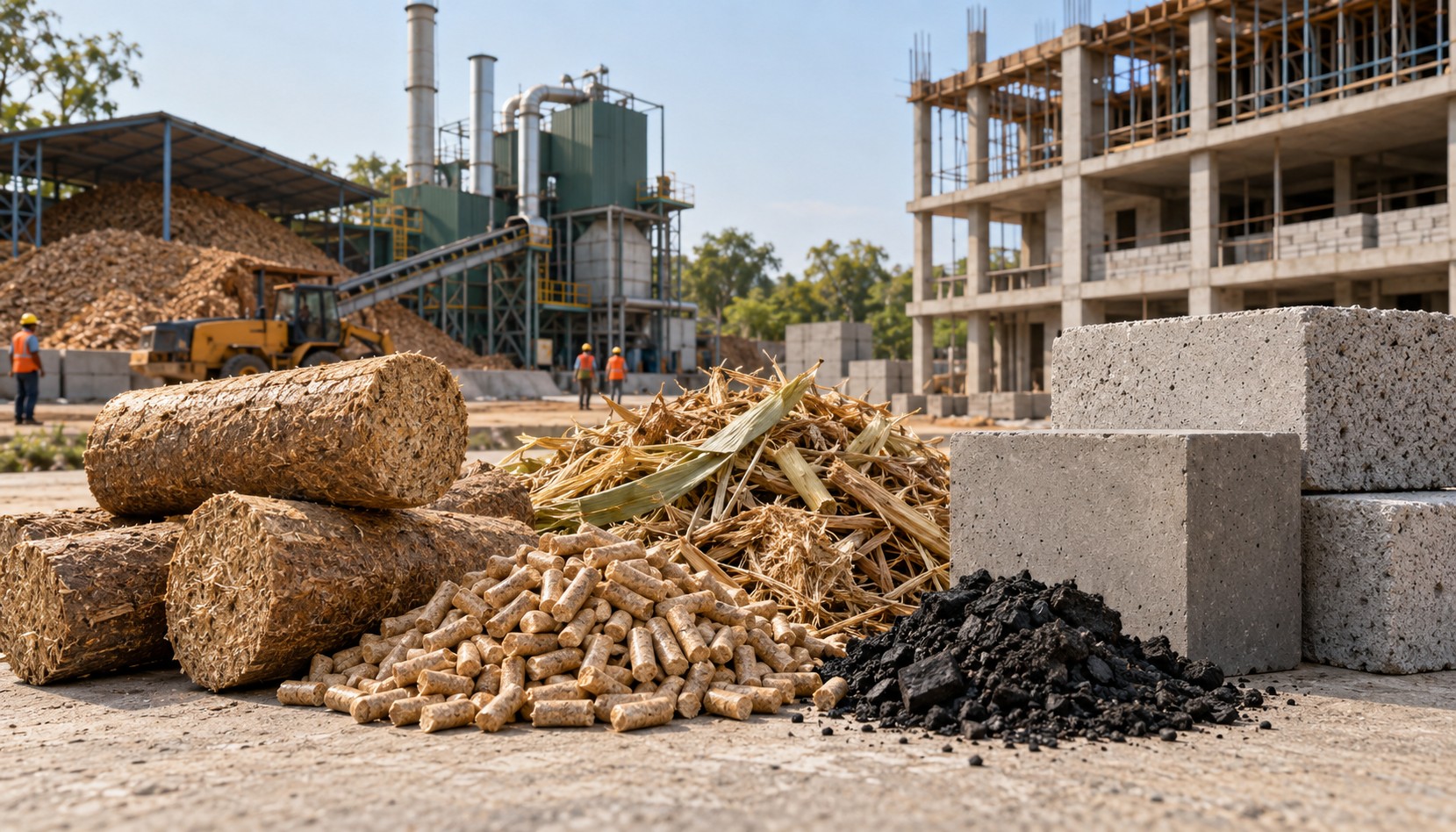
Biomass briquettes are a renewable energy source made from agricultural waste, forestry residues, and other organic materials. They are produced through a high-pressure process that compresses these materials into solid blocks. This compact form not only makes transportation easier but also enhances the combustion efficiency. On the other hand, LPG is a fossil fuel derived from refining crude oil and is widely used in commercial kitchens due to its convenience and efficiency.
When comparing costs, it is essential to consider the price per unit of energy produced by each fuel type. As of the latest data, biomass briquettes generally cost around INR 4,000 to INR 6,000 per ton, depending on the type of biomass used. In comparison, the price of LPG fluctuates based on market conditions but typically ranges from INR 80 to INR 100 per kilogram. This translates to approximately INR 80,000 to INR 100,000 for a ton of LPG.
From a purely numerical standpoint, biomass briquettes offer a significantly lower cost per unit of energy. For instance, biomass briquettes can yield around 4,000 to 4,500 kcal per kg, while LPG provides about 11,000 kcal per kg. However, when calculating the effective cost for a similar energy output, biomass briquettes present a more economical option.
Moreover, the operational costs associated with each fuel type must also be considered. Biomass briquettes generally require a different setup for storage and combustion, which may involve additional initial investments. However, due to their solid form, they typically result in less wastage and a more efficient combustion process, leading to lower overall costs in the long run.
In contrast, LPG is known for its ease of use, as it can be directly connected to cooking appliances without requiring additional equipment. However, the dependency on fossil fuels and the volatility of LPG prices can pose risks for long-term budgeting in industrial kitchens.
Another crucial factor in the cost comparison is the environmental impact. Biomass briquettes are considered carbon-neutral, as the carbon dioxide released during combustion is offset by the carbon dioxide absorbed by the plants during their growth cycle. This makes them a more sustainable option for businesses looking to reduce their carbon footprint. LPG, while cleaner than coal and other fossil fuels, still contributes to greenhouse gas emissions.
Furthermore, using biomass briquettes can also yield additional economic benefits for industrial kitchens. By sourcing biomass locally, businesses can support the agricultural sector, create jobs, and reduce transportation costs. In contrast, relying on LPG often involves fluctuating prices due to international market dynamics, which can impact budgets significantly.
In conclusion, when evaluating the cost comparison between biomass briquettes and LPG for industrial kitchens in India, biomass briquettes emerge as the more cost-effective and sustainable option. Their lower energy cost, coupled with environmental benefits and potential local economic support, makes them an attractive choice for businesses aiming for sustainability and cost efficiency. As industries in India continue to seek greener alternatives, biomass briquettes represent a promising solution that aligns with both economic and environmental goals.