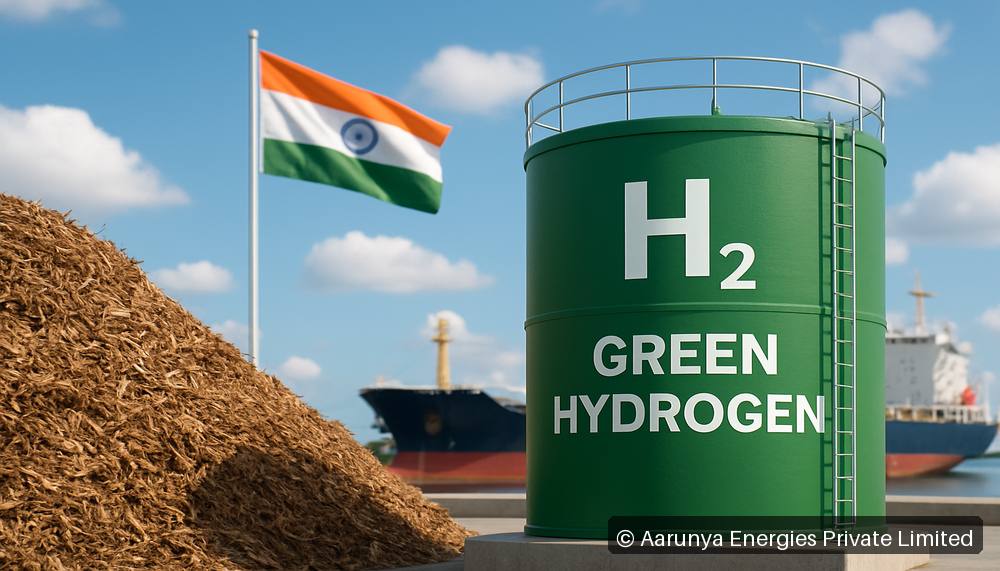
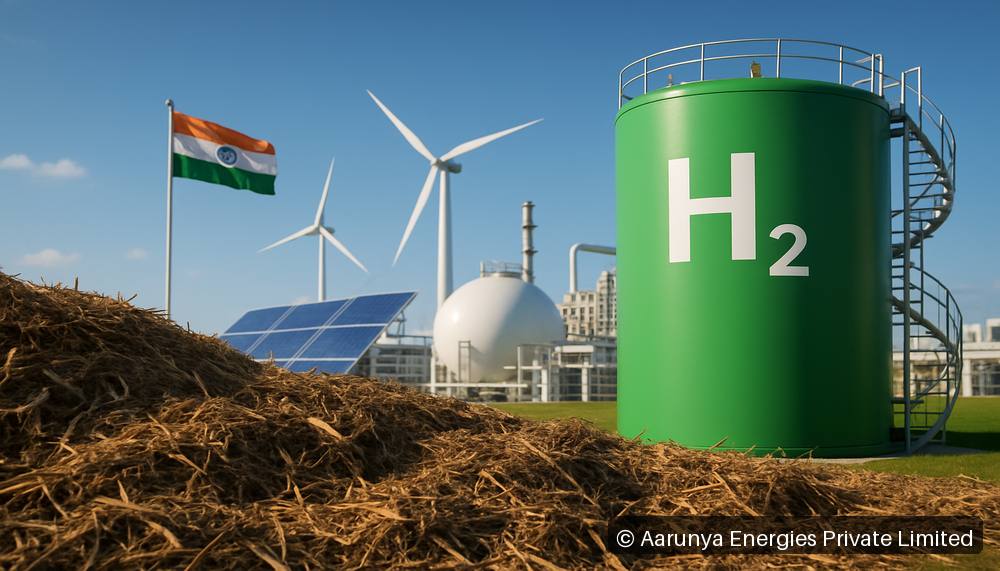
In recent years, India has made significant strides toward achieving a sustainable energy future, with green hydrogen emerging as a pivotal element in this transition. Green hydrogen is produced using renewable energy sources, offering a clean alternative to fossil fuels. One of the promising methods for producing green hydrogen is biomass gasification, a process that can effectively utilize agricultural residues and other biomass materials prevalent in India. This article delves into how biomass gasification can support green hydrogen production in India and its potential impacts on the energy landscape.
Biomass gasification is a thermochemical process that converts organic materials into a mixture of gases, primarily hydrogen, carbon monoxide, and methane, through a controlled reaction with limited oxygen. This process not only generates valuable gases but also helps in managing agricultural waste, which is a significant concern in India, where agricultural residues often lead to environmental issues such as air pollution.
India is one of the largest agricultural producers in the world, generating millions of tons of biomass each year. The majority of this biomass is underutilized, leading to economic losses and environmental degradation. By leveraging biomass gasification, India can convert this waste into a resource, producing green hydrogen while simultaneously addressing waste management challenges. This dual benefit can foster a circular economy, where waste is transformed into energy, thereby promoting sustainability.
The integration of biomass gasification with green hydrogen production aligns with India's commitment to reduce carbon emissions and combat climate change. The Indian government has set ambitious targets for hydrogen production as part of its National Hydrogen Mission, aiming to establish India as a global hub for green hydrogen. Biomass gasification can play a crucial role in meeting these targets by providing a decentralized and scalable approach to hydrogen production.
One of the standout advantages of biomass gasification is its ability to utilize a variety of feedstocks, including agricultural residues, forestry waste, and even municipal solid waste. This flexibility allows for localized hydrogen production, reducing transportation costs and emissions associated with moving biomass over long distances. By establishing small-scale gasification plants in rural areas, India can empower local communities, create jobs, and bolster energy security.
Moreover, biomass gasification can significantly reduce the reliance on fossil fuels, which have been the primary source of hydrogen production in India. Currently, most hydrogen is produced through steam methane reforming, a process that emits substantial carbon dioxide. In contrast, the biomass gasification process can be designed to be carbon-neutral, making it an environmentally friendly alternative. The hydrogen produced can then be used in various applications, including fuel cells for transportation, industrial processes, and as a feedstock for ammonia production.
The potential for carbon credits further enhances the viability of biomass gasification in supporting green hydrogen production. By adopting this technology, companies can generate carbon credits, providing an additional revenue stream while contributing to global climate goals. This aspect not only incentivizes the adoption of biomass gasification technologies but also encourages investments in green hydrogen infrastructure.
In conclusion, biomass gasification presents an innovative solution to support green hydrogen production in India. By converting agricultural residues and other biomass into clean hydrogen, India can address waste management issues, reduce carbon emissions, and enhance energy security. As the country strives to meet its renewable energy goals, integrating biomass gasification into the hydrogen production landscape will be crucial. The collaboration between government initiatives, private sector innovations, and community engagement will pave the way for a sustainable and prosperous energy future, positioning India as a leader in green hydrogen technology.