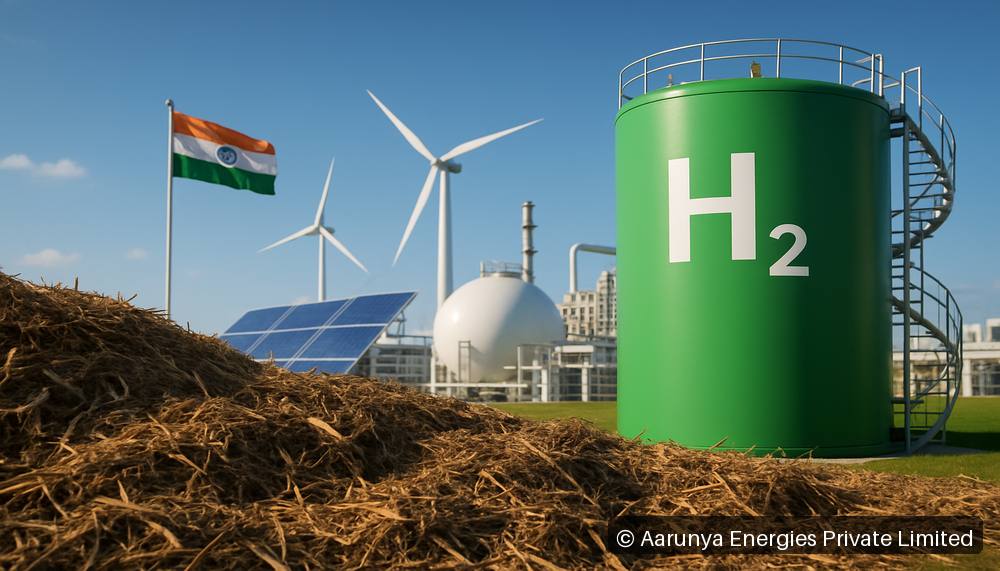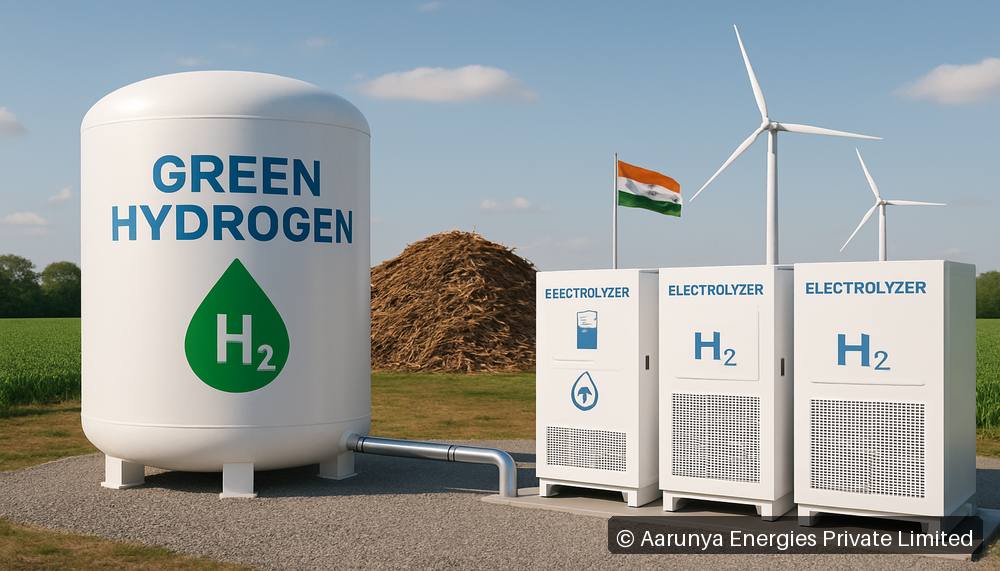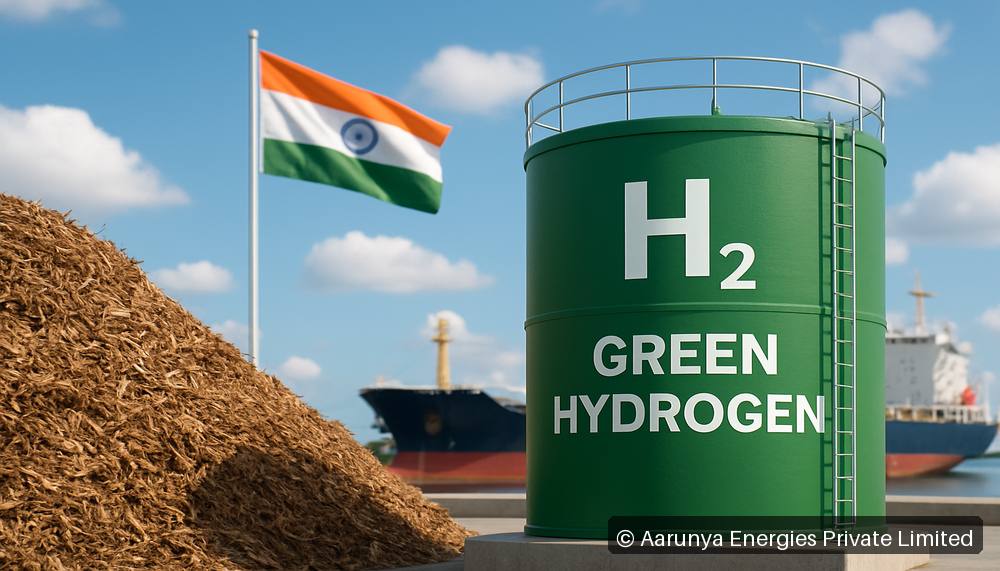
Green hydrogen is rapidly emerging as a promising solution for decarbonizing various sectors, with the shipping industry being one of its most significant beneficiaries. In India, where the maritime sector plays a crucial role in trade and transportation, integrating green hydrogen into shipping operations offers a pathway towards sustainability and reduced emissions.
The global shipping industry is responsible for approximately 2-3% of total greenhouse gas emissions, a figure that could rise significantly if no action is taken. As countries move towards their climate targets, the need for cleaner fuels has never been more urgent. Green hydrogen, produced through the electrolysis of water using renewable energy sources, offers a viable alternative to traditional fossil fuels in shipping.
India, with its vast coastline and a robust shipping infrastructure, stands at the forefront of this transition. The country's commitment to achieving net-zero emissions by 2070, as outlined in its Nationally Determined Contributions (NDCs), aligns well with the adoption of green hydrogen in maritime applications. The Indian government has initiated various programs aimed at promoting the use of renewable energy, including significant investments in green hydrogen technologies.
One of the key advantages of green hydrogen is its versatility. It can be utilized in fuel cells to power vessels or be converted into ammonia for shipping. Ammonia, which can be used as a shipping fuel, offers a zero-carbon option, making it an attractive prospect for the maritime industry. Major ports in India are already exploring the potential of green hydrogen and ammonia bunkering, which would enable vessels to refuel using cleaner alternatives, thereby reducing their carbon footprints.
Another critical aspect of green hydrogen's role in shipping is its compatibility with existing infrastructure. Existing ships can be retrofitted to accommodate hydrogen fuel cells or ammonia engines, facilitating a smoother transition. Furthermore, green hydrogen can be produced locally, reducing dependency on imported fuels and enhancing energy security within the country.
The Indian government is also keen to foster collaborations between various stakeholders, including academia, industry players, and research institutions, to develop innovative solutions for green hydrogen production and utilization in shipping. This collaborative approach can accelerate technological advancements and help overcome existing challenges, such as storage and distribution.
Moreover, the shipping sector's move towards green hydrogen aligns with India's broader renewable energy goals. The country aims to achieve 500 GW of renewable energy capacity by 2030, and green hydrogen can play a pivotal role in achieving this target. By leveraging its abundant sunlight and wind resources, India can establish itself as a leader in green hydrogen production, further supporting its shipping sector.
As the global demand for sustainable shipping solutions increases, Indian shipping companies that embrace green hydrogen will likely gain a competitive edge. By adopting cleaner fuels, these companies can not only comply with international regulations but also improve their brand image among environmentally conscious consumers.
In conclusion, green hydrogen represents a significant opportunity for India's shipping sector to transition towards a more sustainable future. By integrating this innovative energy source, India can reduce its carbon emissions, enhance energy security, and position itself as a leader in the global maritime industry. The journey towards adopting green hydrogen in shipping is fraught with challenges, but with concerted efforts from all stakeholders, a greener, more sustainable maritime future is within reach.