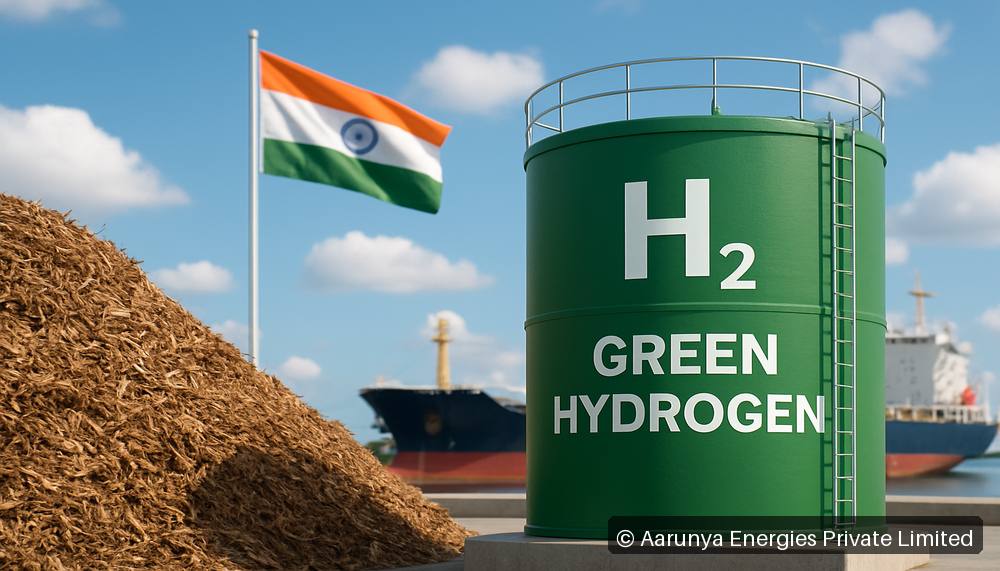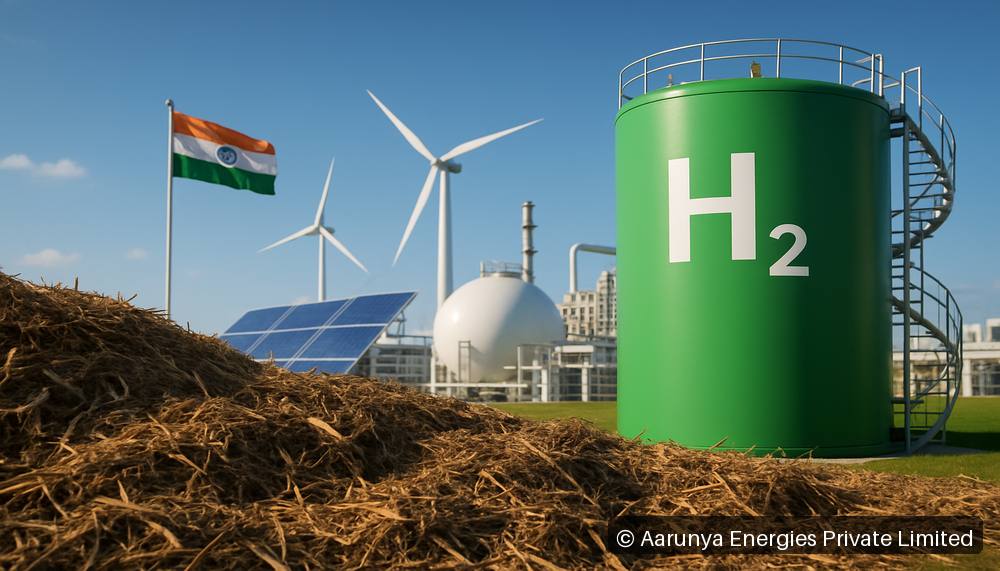
As the world grapples with the urgent need to combat climate change, India stands at a critical juncture in its journey towards sustainability. Heavy industries, which are significant contributors to carbon emissions, face increasing pressure to transition to greener practices. Among the various solutions available, green hydrogen emerges as a game-changing technology that can decarbonize these industries and support India's commitment to achieving net-zero emissions by 2070.
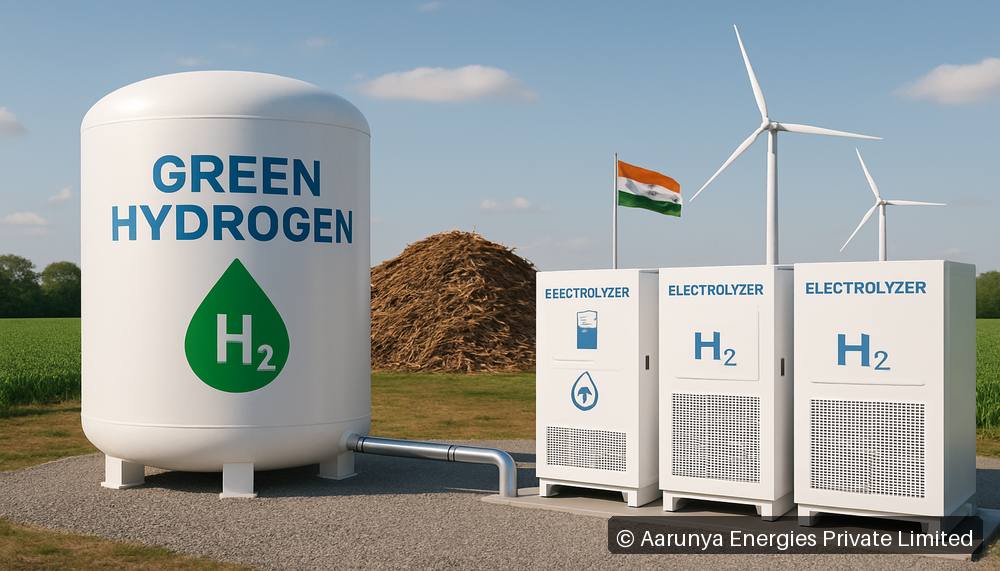
Green hydrogen is produced through the electrolysis of water, using renewable energy sources like solar or wind. This process splits water into hydrogen and oxygen, resulting in hydrogen that is entirely free from carbon emissions. Unlike conventional hydrogen, which is derived from fossil fuels, green hydrogen presents a sustainable alternative that aligns perfectly with India's renewable energy goals.
Heavy industries, including steel, cement, and chemical manufacturing, are responsible for a substantial portion of India's greenhouse gas emissions. The steel industry alone accounts for approximately 8% of global emissions, making it a critical target for decarbonization efforts. By replacing carbon-intensive processes with green hydrogen, these industries can significantly reduce their carbon footprint. For instance, green hydrogen can be used in direct reduction processes for iron ore, leading to a dramatic decrease in carbon dioxide emissions.
Cement production is another area where green hydrogen can make a significant impact. The cement industry traditionally relies on fossil fuels for heat and energy. Integrating green hydrogen into the production process not only helps reduce emissions but also enhances energy efficiency. Furthermore, as India aims to become a global leader in green construction, the demand for sustainable cement will likely increase, making the adoption of green hydrogen imperative.
The chemical sector, particularly in the production of ammonia and methanol, can also benefit immensely from green hydrogen. Ammonia is a key ingredient in fertilizers, and its production is typically associated with high carbon emissions. By utilizing green hydrogen, manufacturers can create a low-carbon ammonia solution that supports sustainable agriculture and reduces the overall carbon footprint of food production.
India's commitment to expanding its renewable energy capacity presents a unique opportunity for the widespread adoption of green hydrogen. The country aims to achieve 450 GW of renewable energy capacity by 2030, a goal that can be supported by the integration of hydrogen production facilities. This synergy not only enhances energy security but also creates a robust ecosystem for green hydrogen innovation.
However, while the potential of green hydrogen is vast, several challenges remain. The current infrastructure for hydrogen production, storage, and distribution is underdeveloped in India. Significant investments are required to build the necessary facilities and technology to enable large-scale hydrogen production and utilization. Collaboration between government bodies, private sectors, and research institutions will be essential to overcome these hurdles and accelerate the transition.
Policy frameworks that promote green hydrogen development are crucial for driving investment and innovation in this sector. The Indian government has already initiated efforts to create a favorable environment for green hydrogen through various schemes and incentives. By implementing a comprehensive hydrogen policy, India can foster research and development, attract private investments, and facilitate technology transfer.
Moreover, public awareness and acceptance of green hydrogen as a viable alternative to conventional fuels are necessary for its successful implementation. Educational initiatives and outreach programs can help demystify green hydrogen and showcase its benefits, encouraging industries to adopt this cleaner technology.
In conclusion, green hydrogen is a vital component of India's strategy to decarbonize heavy industries. By harnessing this clean energy source, India can significantly reduce greenhouse gas emissions, enhance energy security, and position itself as a leader in the global transition to sustainable energy. The role of green hydrogen in heavy industries is not just a technological shift; it represents a commitment to a more sustainable and resilient future for India.