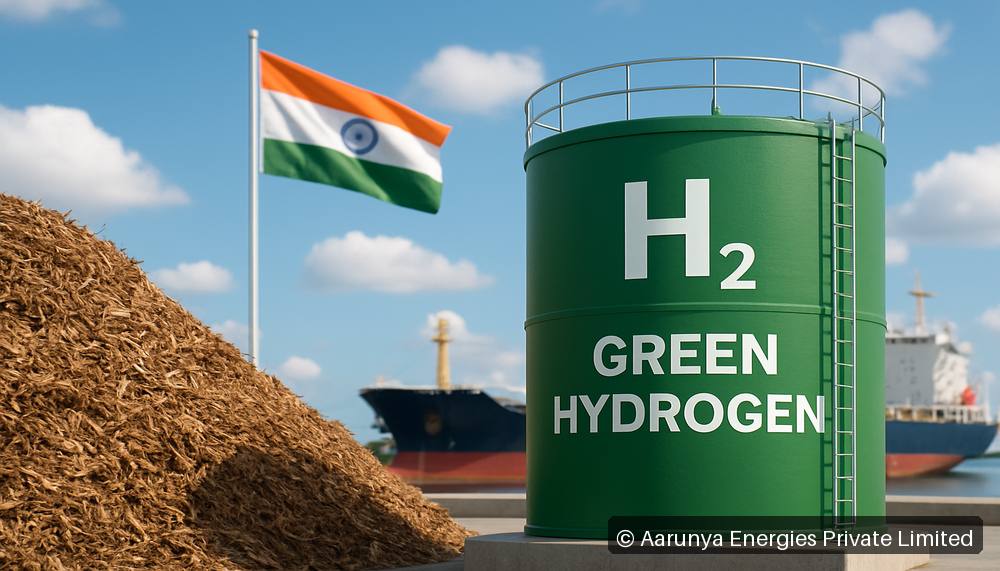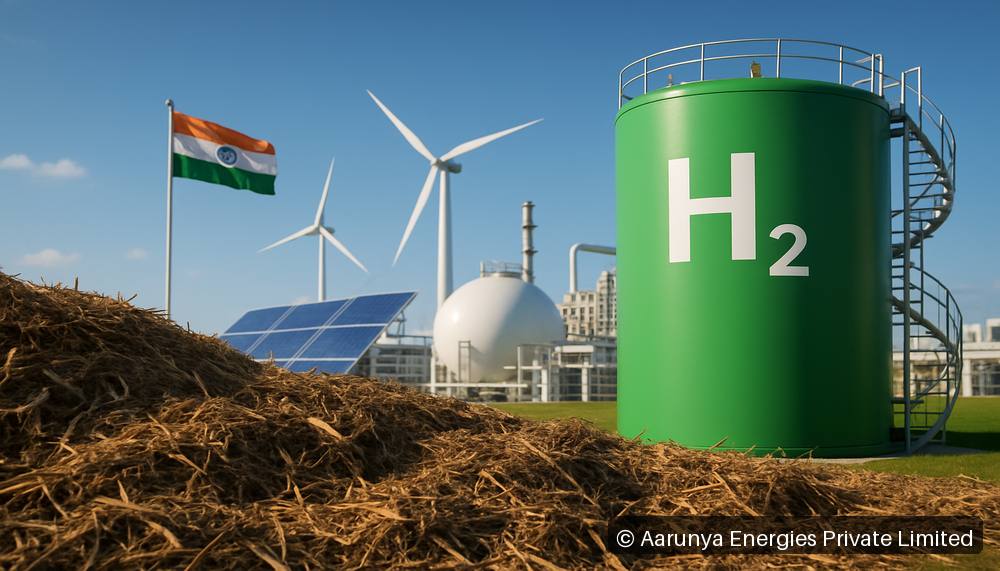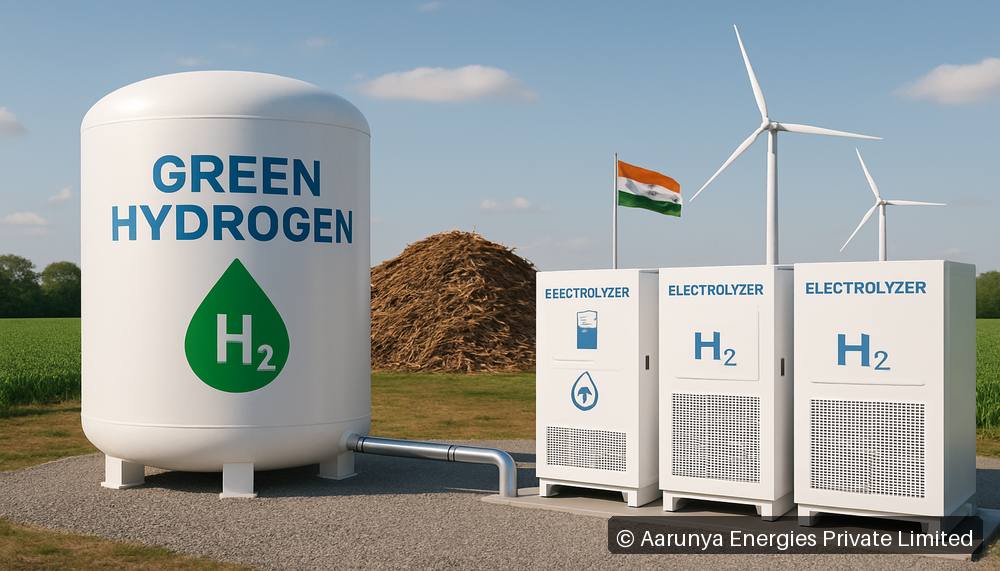
As India seeks to transition towards a more sustainable energy future, green hydrogen emerges as a pivotal player in the renewable energy landscape. Green hydrogen, produced through the electrolysis of water using renewable energy sources, offers a clean alternative to fossil fuels and has the potential to significantly reduce carbon emissions. Central to the production of green hydrogen is the electrolyzer technology, which plays a crucial role in facilitating this transformation.
Electrolyzers are devices that use electricity to split water into hydrogen and oxygen. This process, known as electrolysis, can be powered by renewable energy sources such as solar, wind, or hydroelectric power, making it an environmentally friendly method for hydrogen production. In India, where the government has laid out ambitious targets for hydrogen production as part of its National Hydrogen Mission, electrolyzer technology is set to become a cornerstone of the green hydrogen ecosystem.
The significance of electrolyzer technology cannot be overstated. It not only enables the efficient production of green hydrogen but also helps in balancing the energy grid. By utilizing excess renewable energy, electrolyzers can convert surplus electricity into hydrogen, which can be stored and utilized during periods of low energy production. This capability is particularly important in India, where the renewable energy sector is rapidly expanding but still faces challenges related to energy storage and grid stability.
India's commitment to green hydrogen is evident in its ambitious plans to achieve 5 million tonnes of green hydrogen production by 2030. To realize this vision, the country is focusing on scaling up electrolyzer manufacturing and deployment. The Indian government has already initiated various policies to support domestic production of electrolyzers, including financial incentives and research grants. By fostering a robust electrolyzer manufacturing ecosystem, India aims to reduce its reliance on imported technologies and create a self-sustaining green hydrogen economy.
Several types of electrolyzers are available, including alkaline, polymer electrolyte membrane (PEM), and solid oxide electrolyzers. Each type has its advantages and limitations, making it essential for stakeholders in India to assess which technology aligns best with their specific energy needs and resource availability. For instance, alkaline electrolyzers are known for their lower capital costs and have been widely used, while PEM electrolyzers offer greater efficiency and rapid response times, which are vital for integrating with intermittent renewable energy sources.
Investment in electrolyzer technology also holds potential for job creation and economic growth in India. As the market for green hydrogen continues to expand, there will be an increasing demand for skilled professionals in fields such as engineering, manufacturing, and maintenance of electrolyzers. This trend aligns with India’s broader goal of creating a green economy that not only addresses climate change but also enhances employment opportunities for its citizens.
Moreover, the integration of electrolyzer technology into India’s energy landscape can significantly impact other sectors, such as transportation and industrial processes. Green hydrogen can be utilized in fuel cell vehicles, providing a clean alternative to conventional fuels, and in industries such as steel and cement, where it can replace carbon-intensive hydrogen derived from fossil fuels. This cross-sectoral application is crucial for India to meet its climate goals and transition to a low-carbon economy.
In conclusion, the role of electrolyzer technology in India's green hydrogen journey is multifaceted and vital for the country's renewable energy ambitions. By investing in and scaling up electrolyzer production, India can unlock the full potential of green hydrogen as a clean energy source, enhance energy security, and stimulate economic growth. As the government and private sector work collaboratively to advance this technology, the future of green hydrogen in India looks promising, paving the way for a sustainable energy landscape that benefits both the environment and the economy.