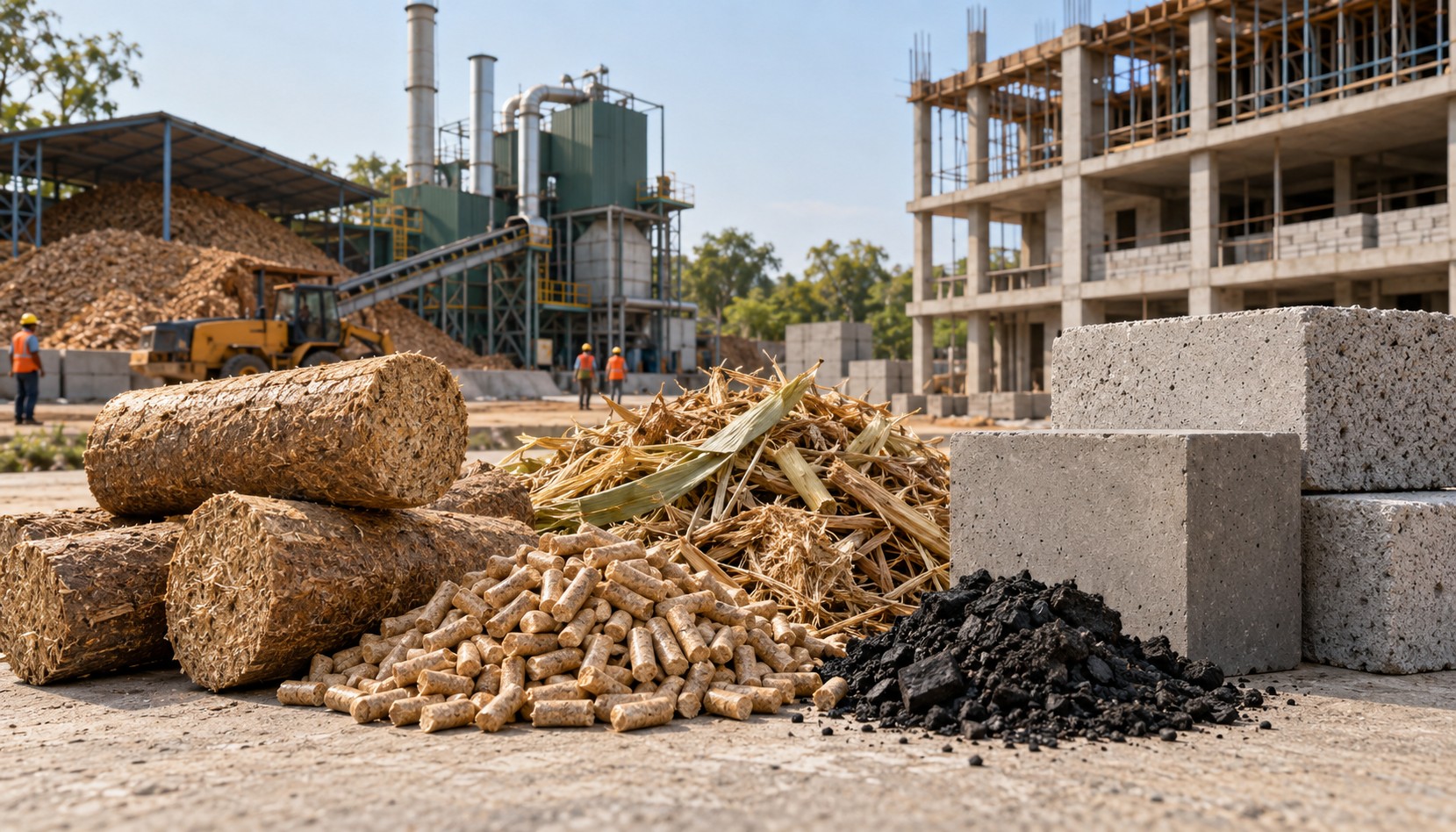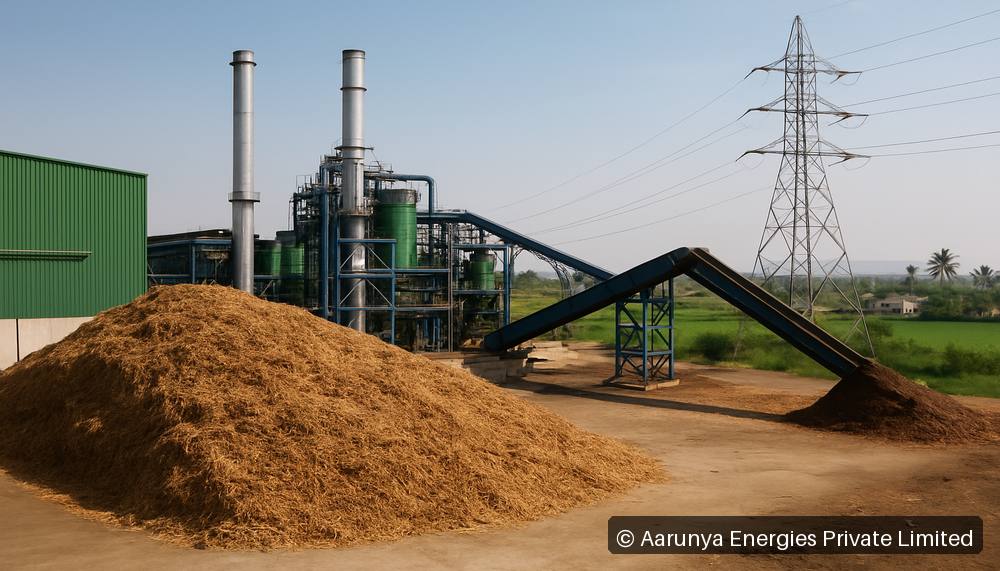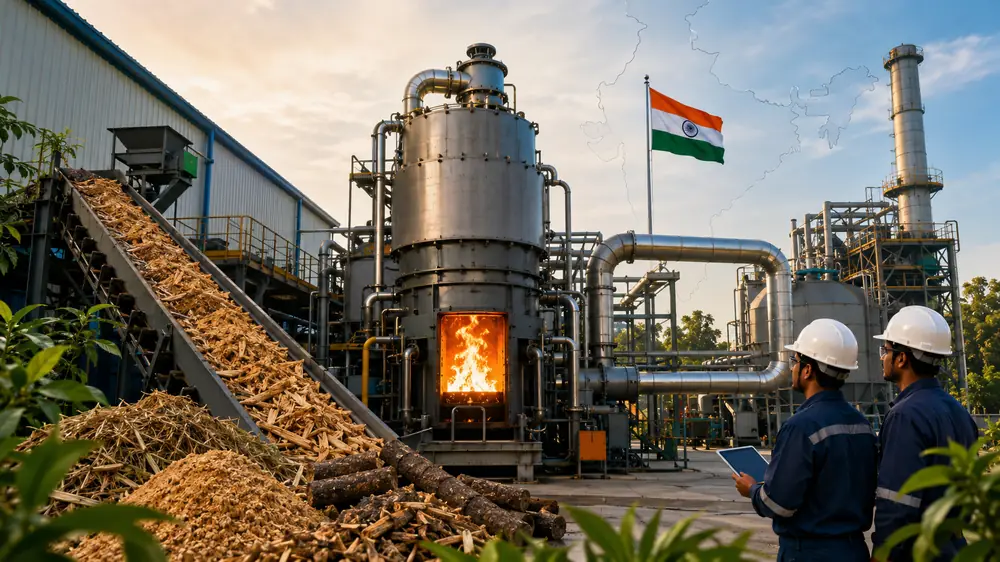
Biomass gasification technology is emerging as a transformative solution in India’s quest for sustainable energy. As the world grapples with the challenges of climate change and energy security, this technology offers an innovative pathway to convert organic materials into valuable energy resources. In India, where agricultural waste and biomass are abundantly available, gasification presents an opportunity to not only reduce waste but also generate clean energy.
At its core, biomass gasification is a thermochemical process that converts organic materials into syngas, a mixture of hydrogen and carbon monoxide, through the application of heat in a low-oxygen environment. This syngas can be used for various applications, including electricity generation, heating, and as a feedstock for producing biofuels. The versatility of biomass gasification makes it an attractive option for industries looking to transition to greener energy solutions.
One of the primary applications of biomass gasification in India is in the power generation sector. With the country facing significant energy demands, biomass gasification provides a reliable and decentralized source of electricity. Unlike traditional fossil fuels, biomass resources are renewable and can be sourced locally, reducing dependence on imported fuels and enhancing energy security. Additionally, power plants utilizing biomass gasification can operate continuously, providing a stable energy supply to rural and remote areas where grid access is limited.
Industries in India are increasingly adopting biomass gasification technology to meet their energy needs while minimizing their carbon footprint. For example, the textile and manufacturing sectors are leveraging syngas produced from gasification to power boilers and other equipment, resulting in substantial cost savings and reduced greenhouse gas emissions. By replacing conventional fuels with biomass-derived syngas, companies can enhance their sustainability credentials while also benefiting from lower operational costs.
Another significant application of biomass gasification technology is in the production of biofuels. The syngas generated can be further processed to produce liquid fuels such as methanol and ethanol, which serve as sustainable alternatives to gasoline and diesel. This is particularly relevant in India, where the government is actively promoting biofuel production as part of its commitment to reducing greenhouse gas emissions and promoting energy independence.
Furthermore, biomass gasification contributes to waste management solutions in India. Agricultural residues, forestry waste, and municipal solid waste can all be utilized as feedstock for gasification. This not only helps in mitigating waste disposal issues but also transforms waste into valuable energy resources. By integrating gasification systems into waste management strategies, municipalities can achieve cleaner urban environments and reduce the burden on landfills.
The industrial benefits of biomass gasification extend beyond energy generation and waste management. Implementing gasification technology can lead to enhanced energy efficiency and lower emissions, aligning with India's goals for sustainable development. Companies can benefit from government incentives and subsidies aimed at promoting renewable energy technologies, further improving the financial viability of gasification projects.
Moreover, the scalability of biomass gasification systems allows for flexibility in implementation. Small-scale gasification units can be deployed in rural areas or smaller industrial operations, while larger facilities can cater to higher energy demands in urban settings. This adaptability makes biomass gasification an inclusive solution that can serve various sectors of the economy.
In conclusion, biomass gasification technology holds immense potential for India, offering numerous applications and significant industrial benefits. By harnessing this innovative technology, India can accelerate its transition to a cleaner energy future, support local economies, and contribute to global efforts to combat climate change. As industries continue to seek sustainable energy solutions, biomass gasification stands out as a viable, efficient, and environmentally friendly option that aligns with the country’s energy goals.