The urgent need to combat climate change has pushed industries worldwide to seek sustainable energy solutions. In India, one of the primary challenges faced by various sectors is the reduction of carbon emissions. Biomass pellets have emerged as a viable alternative to traditional fossil fuels, offering not only an eco-friendly energy source but also contributing significantly to a decrease in greenhouse gas emissions. This article delves into how biomass pellets are helping Indian industries reduce their carbon footprint and embrace a more sustainable future.
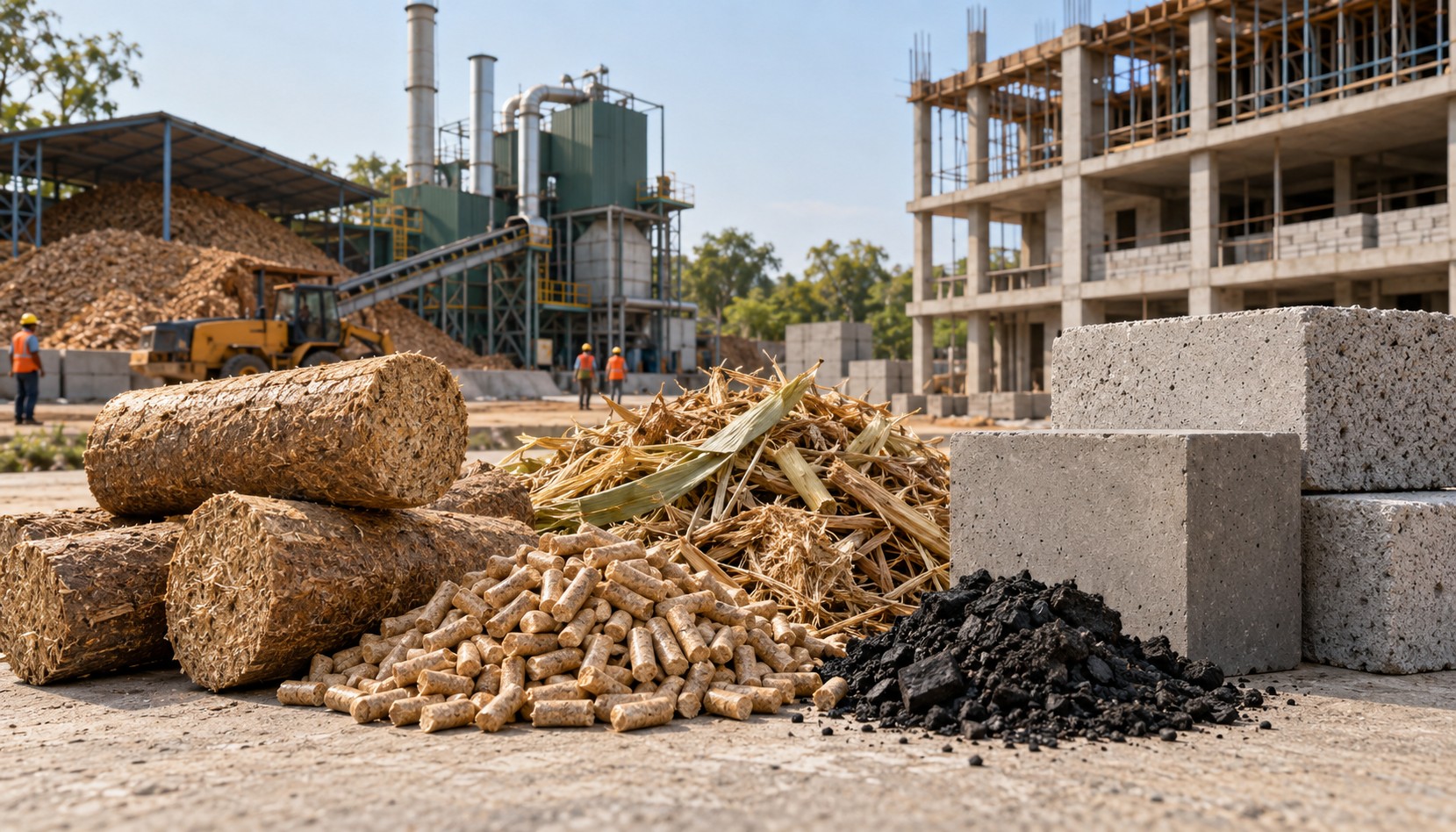
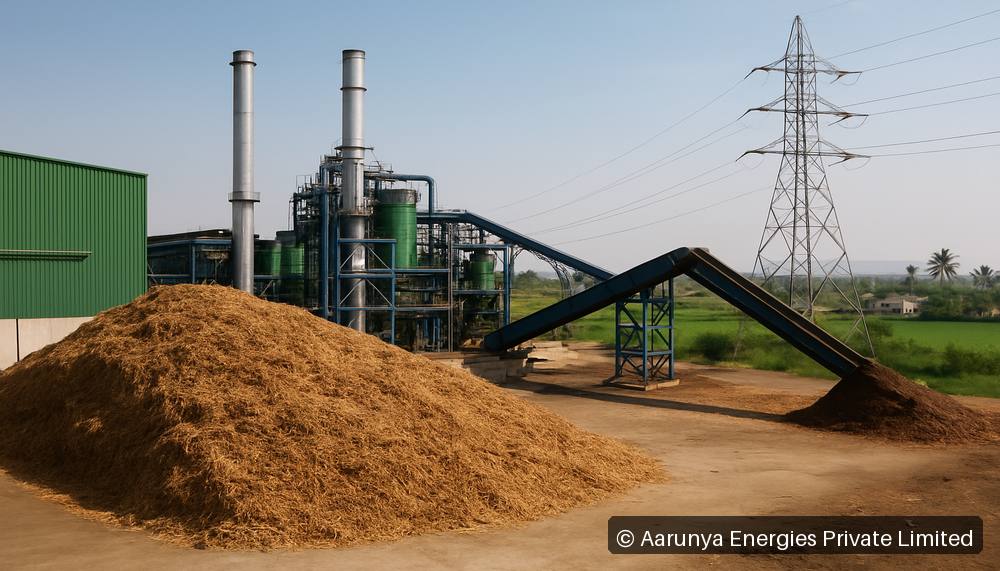
Biomass pellets are made from compressed organic matter, including agricultural residues, wood chips, and other biomass materials. They are a renewable energy source that can replace conventional fossil fuels in various industrial processes. The use of biomass pellets in India is gaining momentum due to the country’s rich agricultural landscape, which provides an abundant supply of raw materials for pellet production. By utilizing waste materials that would otherwise contribute to landfill problems, industries can effectively minimize their environmental impact.
One of the primary benefits of biomass pellets is their low carbon emissions compared to fossil fuels. When burned, they release significantly less carbon dioxide, sulfur dioxide, and particulate matter. This is particularly important for industries such as power generation, textiles, and food processing, which are known for their high energy consumption and carbon output. For instance, switching from coal or natural gas to biomass pellets can reduce carbon emissions by up to 80%, making a substantial difference in the overall emissions profile of these industries.
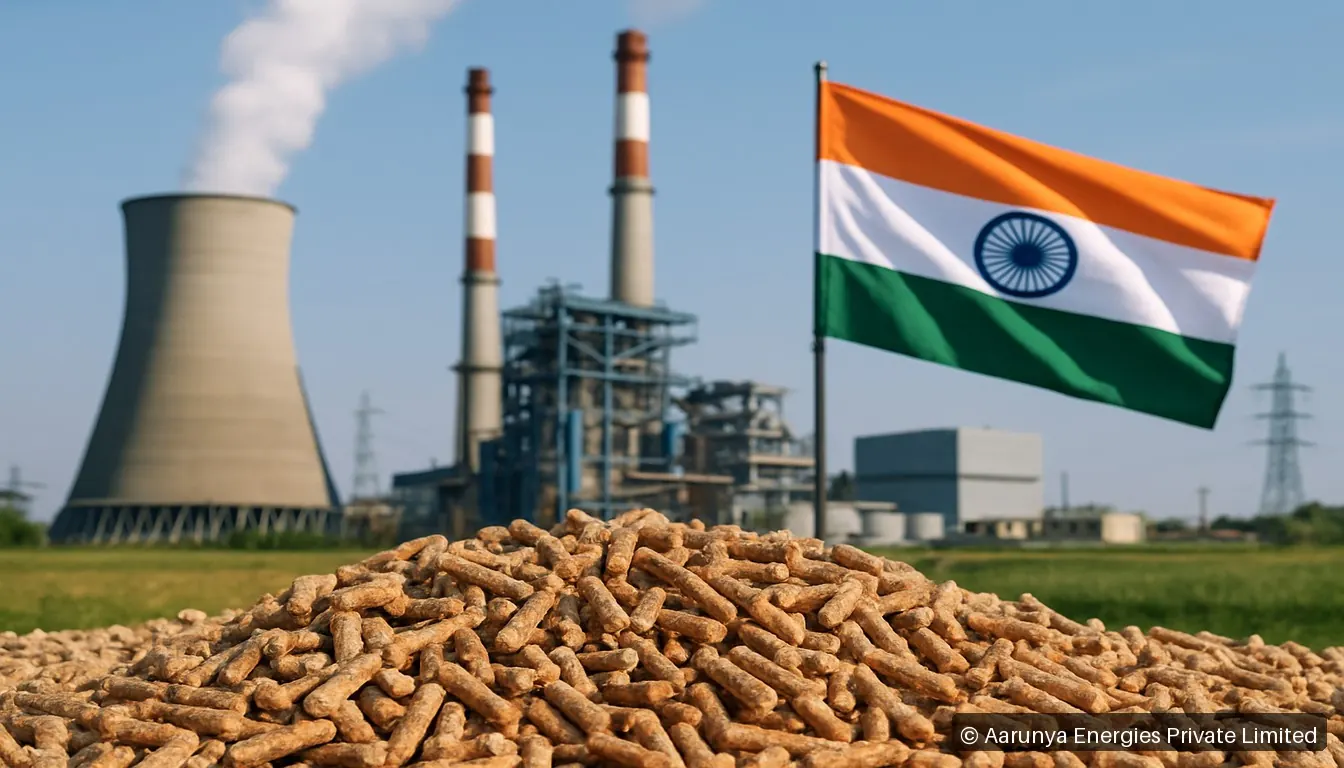
Furthermore, the Indian government is actively promoting the use of biomass energy through various policies and incentives. Programs encouraging the production and use of biomass pellets have been introduced, aimed at reducing reliance on fossil fuels and enhancing energy security. This governmental support not only helps industries financially but also aligns with India’s commitment to international climate agreements, making it an attractive option for manufacturers and energy producers.
The shift towards biomass pellets also encourages the circular economy concept. By reusing agricultural byproducts and waste, industries can create a sustainable model that benefits both the economy and the environment. This approach not only helps in waste management but also creates job opportunities in rural areas, thus contributing to the socio-economic development of the country.
Moreover, biomass pellets can be utilized in a variety of applications, including heating, electricity generation, and even as feedstock for biogas production. This versatility makes them an attractive option for many sectors looking to diversify their energy sources and reduce their carbon footprints. Industries can easily implement biomass pellets into their existing systems with minimal adjustments, making the transition smoother and more efficient.
In addition to reducing carbon emissions, biomass pellets also contribute to energy independence. As India continues to grow economically, the demand for energy is set to increase. By investing in biomass energy and reducing dependence on imported fossil fuels, India can enhance its energy security and stabilize prices in the long run. This is particularly crucial for industries heavily reliant on energy, as fluctuations in fuel prices can significantly impact operational costs.
As the world moves towards a greener future, Indian industries face the critical challenge of adapting to sustainable practices. Biomass pellets stand out as a promising solution that addresses both energy needs and environmental concerns. By investing in this renewable energy source, industries can play a pivotal role in reducing carbon emissions, promoting sustainability, and contributing to the fight against climate change.
In conclusion, biomass pellets are an essential tool for Indian industries striving to reduce their carbon emissions while enhancing their sustainability practices. With government support, environmental benefits, and economic advantages, biomass pellets present a win-win scenario for industries and the planet alike. The shift towards biomass energy is not just a trend; it is a necessary step towards a more sustainable future for India and the world.