Briquetting plants have gained significant traction in India as a sustainable solution to energy needs, providing an eco-friendly alternative to fossil fuels. As the country looks to reduce its carbon footprint and promote renewable energy sources, understanding how to set up a briquetting plant becomes an essential consideration for entrepreneurs and businesses interested in the biomass sector.
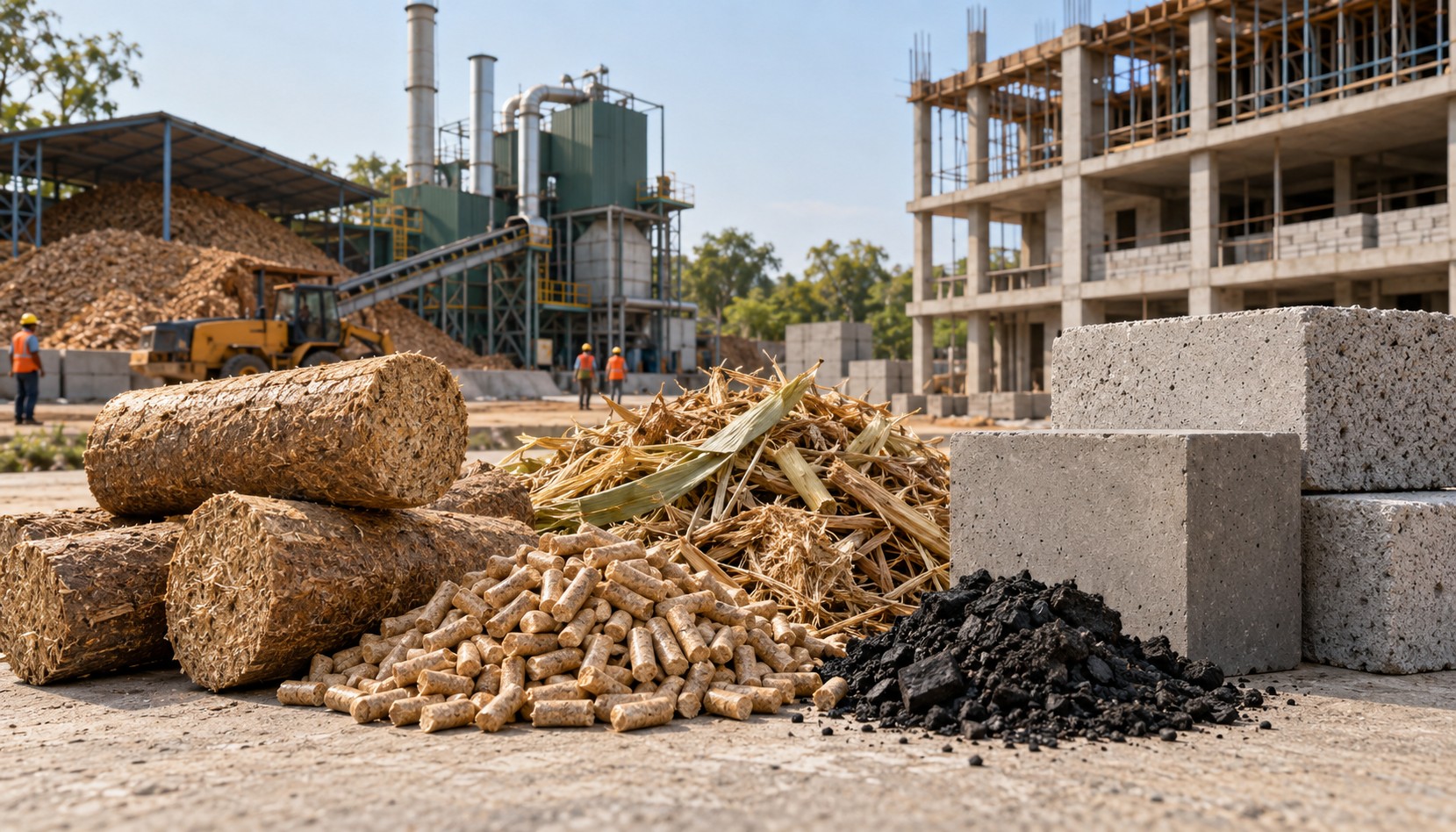
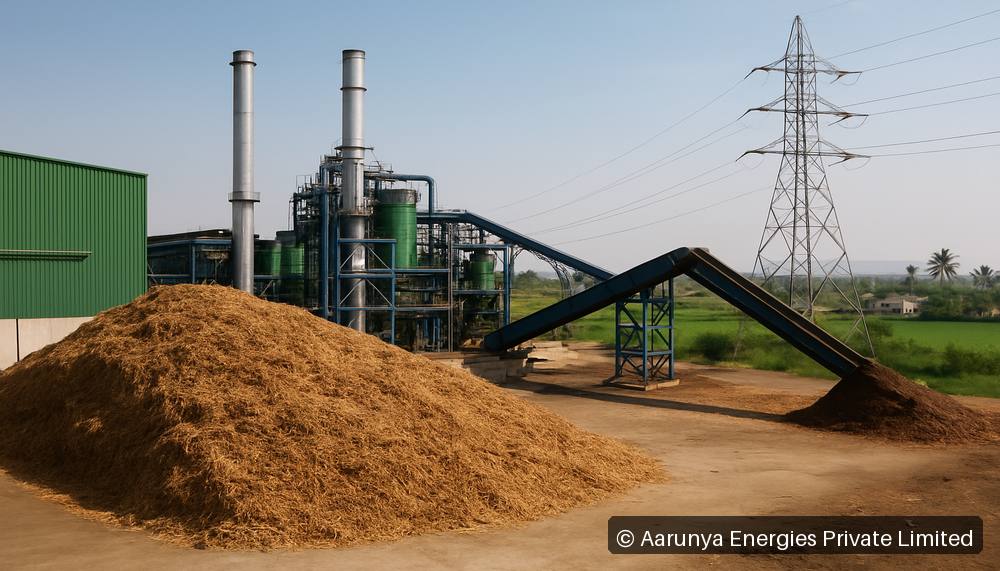
The first step in establishing a briquetting plant in India is to conduct thorough market research. This involves assessing the availability of raw materials, such as agricultural residues (rice husks, wheat straw, sugarcane bagasse), and understanding the demand for briquettes in your target market. Engaging with local farmers, industries, and potential buyers can help gauge the feasibility of your venture.
Once you have validated the market potential, the next step is to select the right location for your plant. Ideally, the site should be close to your raw material sources to minimize transportation costs. Additionally, consider proximity to potential customers, infrastructure facilities, and regulatory compliances that may affect your operations.
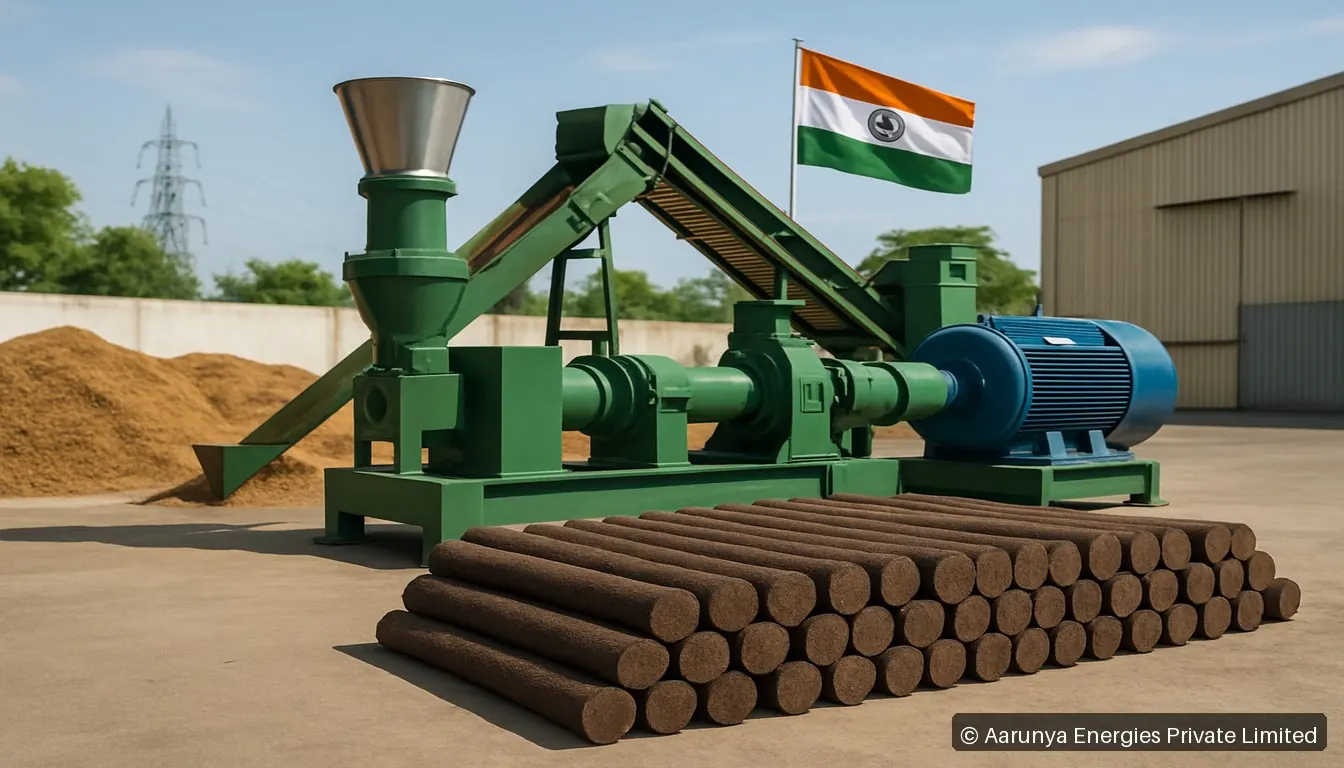
The key to a successful briquetting plant is the choice of machinery. The equipment required includes a crusher, dryer, briquetting machine, and packaging machine. Depending on your production capacity, you can opt for small, medium, or large-scale machinery. Investing in high-quality machines will ensure efficiency and durability. The total cost of machinery can vary widely, ranging from INR 10 lakhs to over INR 1 crore, depending on the scale and technology chosen.
In terms of operational costs, you will need to factor in labor, electricity, maintenance, and raw material procurement. Hiring skilled labor is crucial as they will operate the machinery and ensure quality control. Electricity costs will depend on the scale of your operations, with larger plants requiring more power. Maintenance costs are also important to consider, as regular servicing of equipment is necessary to prevent breakdowns and ensure smooth operations.
The initial setup cost of a briquetting plant can range from INR 20 lakhs to INR 1.5 crores, depending on the scale, technology, and location. This estimate includes land, machinery, and initial operational expenses. Securing funding for your project may involve approaching banks, financial institutions, or government schemes that support renewable energy initiatives.
In addition to understanding the setup costs, it's essential to navigate the regulatory landscape. You will need to obtain various licenses and permits, such as environmental clearances, factory licenses, and registration with local authorities. Compliance with the Pollution Control Board regulations is also mandatory, ensuring that your operations align with environmental standards.
Once your plant is operational, the benefits of producing briquettes are manifold. Briquettes are a renewable energy source that can significantly reduce dependence on fossil fuels. They are carbon-neutral and help in reducing air pollution, making them an attractive option for industries looking to enhance their sustainability practices.
Moreover, briquettes can be marketed as a clean energy solution to various sectors, including manufacturing, power generation, and agriculture. With increasing awareness of renewable energy, the demand for briquettes is expected to rise, offering substantial profit opportunities for those entering the market.
In conclusion, setting up a briquetting plant in India is a strategic move towards sustainable energy production. While the initial investment may seem substantial, the long-term benefits of contributing to the renewable energy landscape and the potential for profitability make it a worthwhile endeavor. With careful planning, market assessment, and adherence to regulations, entrepreneurs can successfully establish a briquetting unit that not only meets energy needs but also supports environmental sustainability.