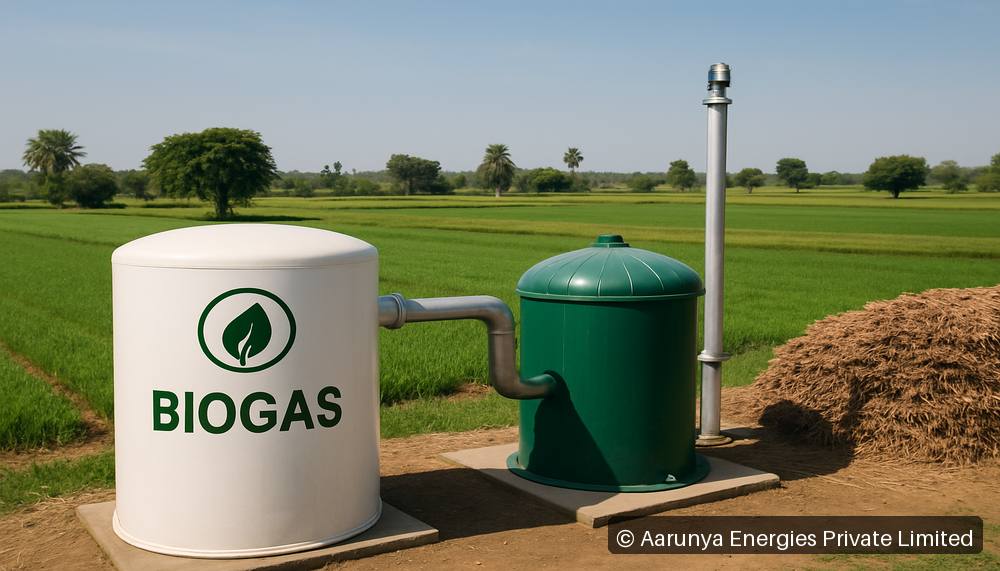
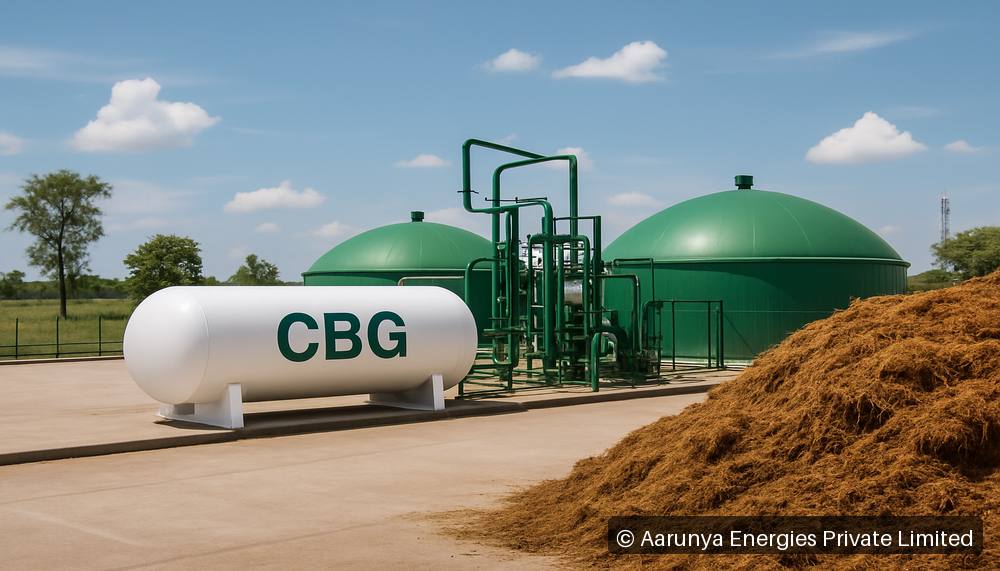
In India, sugar mills generate a significant amount of by-products during the sugar extraction process. One of the most abundant by-products is press mud, a fibrous residue left after the juice extraction from sugarcane. Traditionally seen as waste, press mud has now emerged as a valuable resource for producing Compressed Biogas (CBG). This transition not only helps in waste management but also promotes a sustainable energy future.
CBG from press mud presents an innovative solution to two pressing issues: waste disposal and energy scarcity. The need for renewable energy sources in India is critical, especially given the country’s ambitious goals to reduce carbon emissions and enhance energy security. CBG, being a clean and renewable energy source, aligns perfectly with these objectives. By leveraging press mud, sugar mills can convert what was once considered waste into a profitable energy resource.
The process of converting press mud into CBG involves anaerobic digestion, where microorganisms break down organic matter in the absence of oxygen. This process generates biogas, primarily composed of methane, which can be purified and compressed to produce CBG. The entire operation not only utilizes waste effectively but also minimizes the environmental impact associated with traditional waste disposal methods.
For sugar mills, the economic benefits of producing CBG from press mud are substantial. With the government of India promoting the production of biofuels, sugar mills can secure financial incentives and subsidies that enhance profitability. The sale of CBG not only provides an additional revenue stream but also helps sugar mills diversify their operations, making them more resilient to market fluctuations.
Moreover, the production of CBG from press mud can significantly contribute to rural employment. Establishing CBG plants creates job opportunities for local communities, from the collection of raw materials to the operation of biogas plants. This socio-economic impact further emphasizes the importance of integrating renewable energy solutions into existing agricultural frameworks.
In India, several sugar mills have already begun to tap into this potential. By investing in CBG production facilities, these mills are not just reducing their environmental footprint; they are also setting a precedent for sustainability in the agricultural sector. The transition to CBG production has garnered attention from policymakers and industry stakeholders, highlighting the role of innovative technologies in promoting a circular economy.
Apart from economic and employment benefits, producing CBG from press mud also contributes to environmental sustainability. By converting waste into energy, sugar mills can reduce greenhouse gas emissions significantly. The methane produced during the decomposition of organic matter is a potent greenhouse gas, and capturing it for energy use helps to mitigate its impact on climate change. Furthermore, using CBG as a clean fuel source can replace fossil fuels in various applications, further reducing carbon emissions.
The growing awareness of climate change and the need for sustainable energy solutions have led to increased interest in biofuels like CBG. Sugar mills in India are uniquely positioned to lead this transition due to their existing infrastructure and expertise in handling biomass. By integrating CBG production into their operations, they can play a pivotal role in shaping the future of renewable energy in the country.
In conclusion, the conversion of press mud into CBG represents a significant opportunity for sugar mills in India. By monetising waste, they not only improve their profitability but also contribute to a more sustainable energy landscape. As India continues to strive towards its renewable energy goals, the role of CBG and similar biofuels will become increasingly vital. Sugar mills willing to invest in this innovative approach can reap substantial rewards while also making a positive impact on the environment and society as a whole.