India's energy landscape is undergoing a significant transformation as the country seeks to reduce its dependence on imported fossil fuels. One of the most promising solutions emerging in this regard is Compressed Biogas (CBG), which is being positioned as a sustainable alternative to Liquefied Natural Gas (LNG). As the demand for cleaner energy sources increases, CBG presents an opportunity to enhance energy security while promoting environmental sustainability.
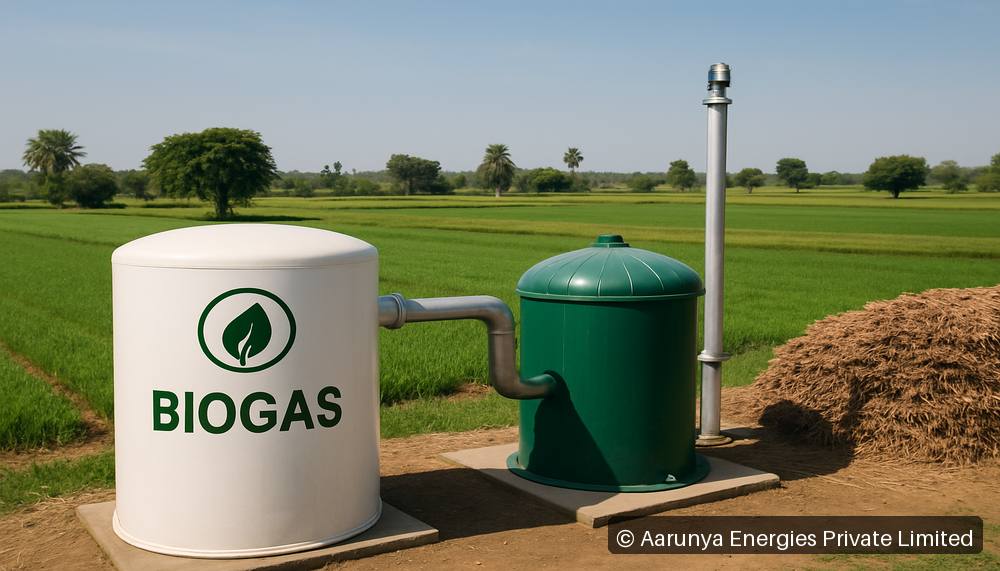
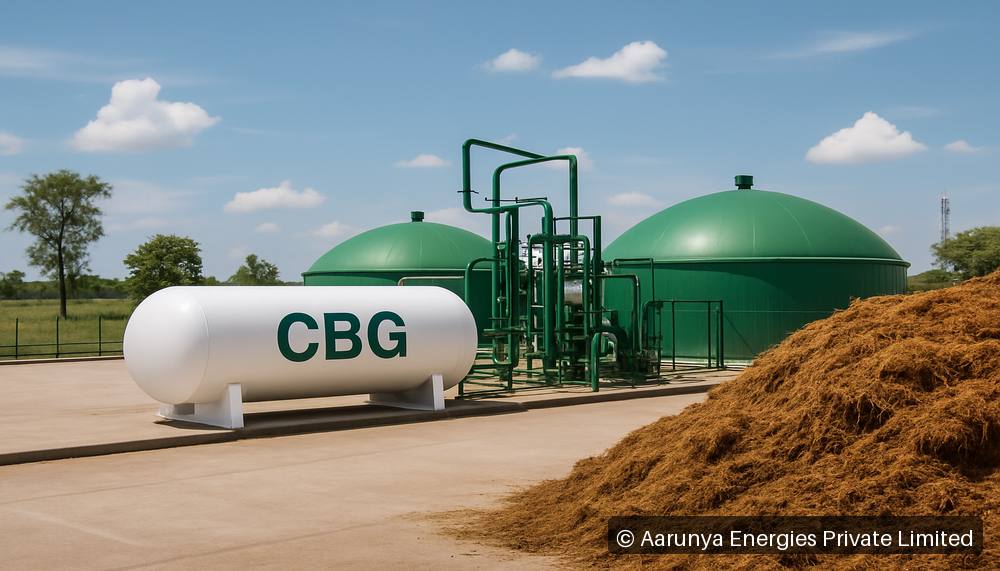
CBG is produced from organic waste through a process called anaerobic digestion, where microorganisms break down organic material in the absence of oxygen. This process results in the production of biogas, which can be purified and compressed to create CBG. The versatility of CBG makes it suitable for various applications, including transportation, electricity generation, and heating, making it an effective substitute for LNG in multiple sectors.
One of the primary reasons for India's shift towards CBG is the need to reduce natural gas imports. Currently, India imports a significant portion of its natural gas requirements, leading to a strain on the country's foreign exchange reserves and energy security. By promoting the production of CBG, India aims to utilize its abundant agricultural and organic waste resources, thus reducing its reliance on imported LNG. This strategic move aligns with the government's vision of achieving self-sufficiency in energy production and enhancing the overall resilience of the energy sector.
The Indian government has recognized the potential of CBG and has initiated several policies and programs to promote its production and usage. The Sustainable Alternative Towards Affordable Transportation (SATAT) initiative is one such program that encourages the establishment of CBG production plants across the country. Under this initiative, the government aims to set up 5,000 CBG plants by 2023, targeting a production capacity of 15 million tonnes of CBG annually. This ambitious plan not only aims to reduce dependence on natural gas imports but also to create employment opportunities in rural areas and promote sustainable agricultural practices.
CBG can play a crucial role in India's commitment to reducing greenhouse gas emissions. With the global push towards sustainability, CBG offers a renewable energy source that can significantly lower carbon footprints. By utilizing waste materials that would otherwise contribute to landfills, CBG production helps in waste management and reduces methane emissions. This dual benefit of waste reduction and energy production makes CBG a key player in India's renewable energy strategy.
The transportation sector is one of the major beneficiaries of the transition to CBG. As the demand for cleaner fuels increases, CBG can be used as an alternative to compressed natural gas (CNG) in vehicles. This shift not only reduces air pollution but also contributes to meeting the growing energy needs of the transportation sector without relying heavily on imported fuels. The implementation of CBG in the transportation sector could lead to a significant decrease in emissions while promoting energy independence.
Moreover, CBG holds promise for decentralized energy generation. Unlike conventional natural gas sources, CBG can be produced locally, reducing transportation costs and enhancing energy accessibility. Rural areas, which often lack reliable energy sources, can benefit immensely from localized CBG production, leading to improved energy access and economic development.
While the benefits of CBG are evident, there are challenges that need to be addressed to ensure its widespread adoption. These include the need for technology development, investment in infrastructure, and creating awareness among potential stakeholders. Collaborations between the government, private sector, and academic institutions will be essential to overcome these challenges and accelerate the growth of the CBG industry in India.
In conclusion, the integration of Compressed Biogas (CBG) as a viable replacement for Liquefied Natural Gas (LNG) is a strategic move in India's journey towards energy independence. By harnessing its organic waste resources, India can not only reduce its natural gas import dependence but also contribute to a sustainable and greener future. As the country continues to innovate and invest in its renewable energy capabilities, CBG will undoubtedly play a pivotal role in shaping the energy landscape of India.