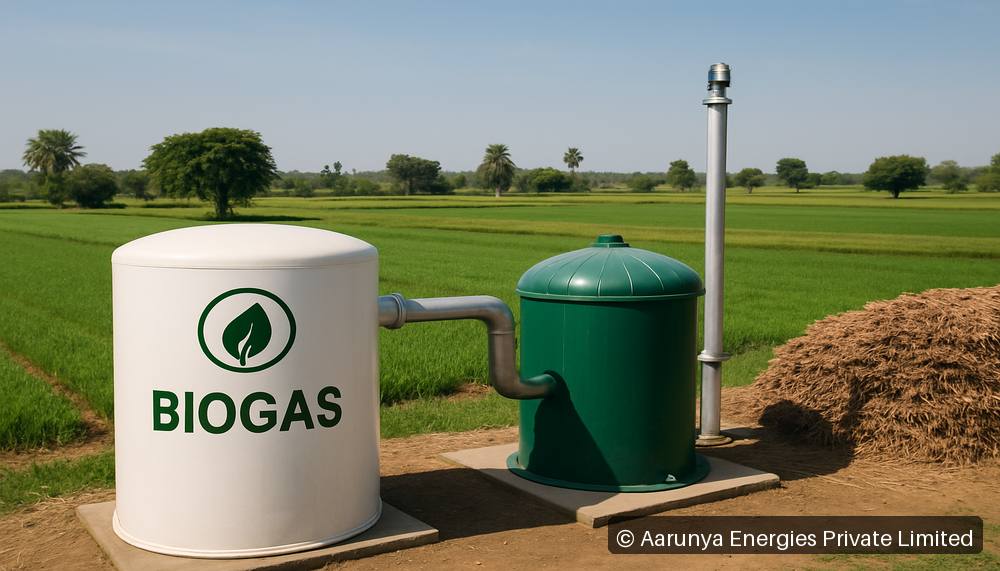
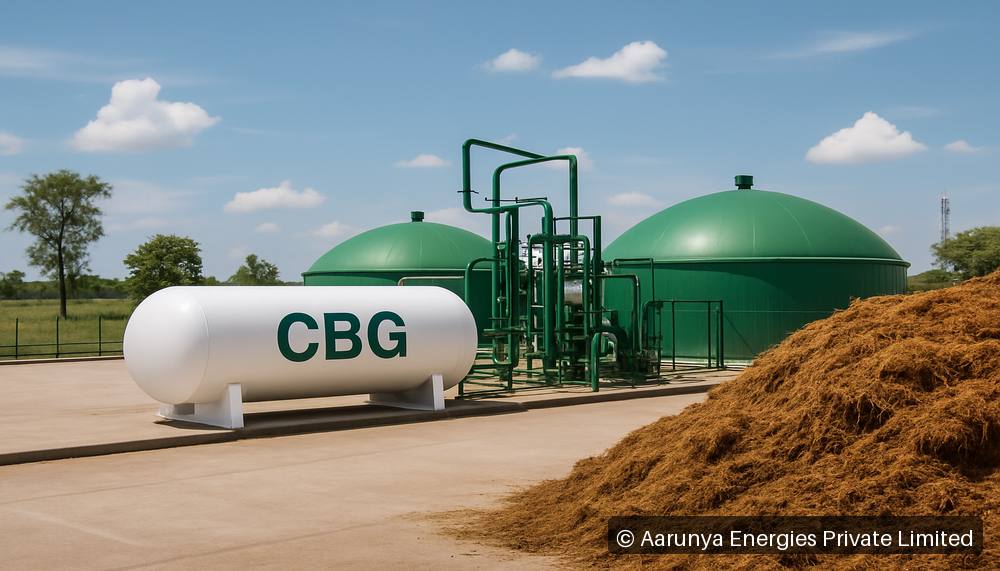
Compressed Biogas (CBG) is rapidly gaining traction as a viable alternative to conventional fossil fuels in India. As the demand for renewable energy sources grows, understanding CBG pricing becomes crucial for both producers and consumers. This article delves into how CBG pricing is determined in India and what buyers can expect in this dynamic market.
The pricing of CBG in India is influenced by a variety of factors, including raw material costs, production methods, government policies, and market demand. Each of these components plays a vital role in shaping the price at which CBG is sold to end-users.
One of the primary determinants of CBG pricing is the cost of feedstock, which includes organic waste materials such as agricultural residues, animal manure, and municipal solid waste. The availability and price of these raw materials can fluctuate based on local supply and demand dynamics, impacting the overall cost of CBG production. Regions with abundant agricultural activities, for instance, may benefit from lower feedstock costs due to the availability of crop residues.
Production methods also significantly affect pricing. The most common technology used for CBG production is anaerobic digestion, where microorganisms break down organic matter in the absence of oxygen. The efficiency of this process can vary depending on the technology used, the type of feedstock, and operational practices. CBG plants that employ advanced technologies may have higher upfront capital costs but can achieve lower operational expenses over time, influencing the final pricing for consumers.
Government policies and initiatives play a critical role in the CBG market in India. The Indian government has been actively promoting the use of renewable energy sources, including CBG, through various schemes and incentives. For instance, the National Biofuel Policy aims to enhance the production and use of biofuels, including CBG, which can help stabilize prices by creating a favorable regulatory environment. Buyers can expect that government support will continue to shape pricing trends, especially as the market matures.
Market demand is another crucial factor that influences CBG pricing. As more industries and consumers seek sustainable energy solutions, the demand for CBG is expected to rise. This increased demand may lead to higher prices, particularly in regions where CBG is becoming a mainstream energy source. Conversely, if supply exceeds demand, prices may stabilize or even decrease, providing an opportunity for buyers to access CBG at a lower cost.
In addition to these factors, geographical considerations also play a role in CBG pricing. Different regions in India may experience varying levels of production, transportation costs, and competition among suppliers. For example, urban areas with high energy consumption but limited waste resources might see higher CBG prices compared to rural areas where feedstock is more readily available.
Buyers can expect a certain level of volatility in CBG pricing, especially in the initial stages of market development. As the industry evolves and more players enter the market, pricing may become more competitive. However, it is essential for buyers to stay informed about market trends and government policies to make educated purchasing decisions.
For end-users, understanding the pricing structure of CBG is vital. Many suppliers offer pricing models based on long-term contracts, which can provide price stability but may require buyers to commit to specific volumes. Alternatively, spot pricing may be available, allowing buyers to purchase CBG at market rates, which can fluctuate based on current supply and demand.
In conclusion, CBG pricing in India is determined by a complex interplay of factors including raw material costs, production methods, government policies, and market dynamics. Buyers interested in CBG should remain aware of these influences and be prepared for potential price fluctuations as the market continues to evolve. Through informed decision-making and strategic planning, consumers can effectively navigate the CBG landscape and take advantage of this sustainable energy source.