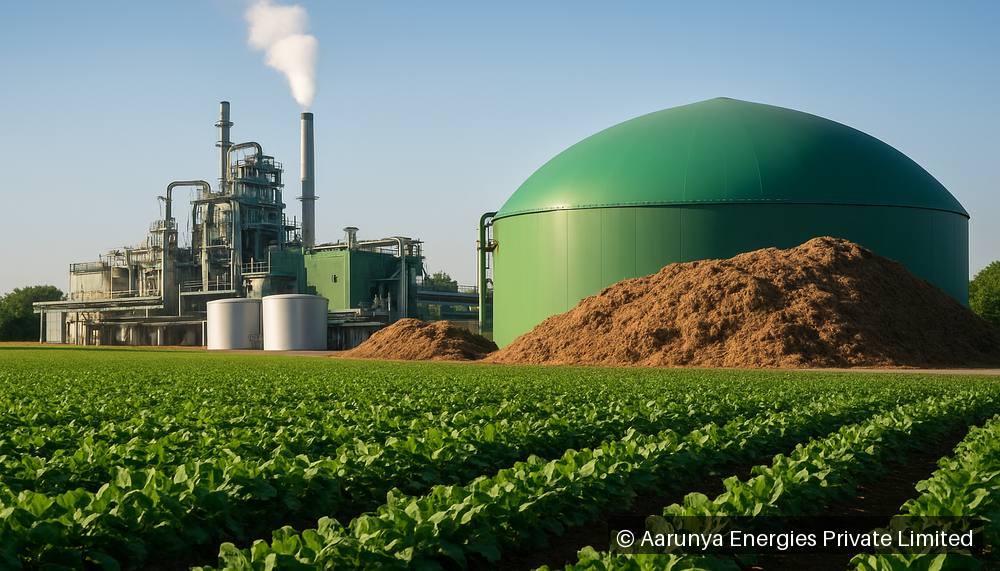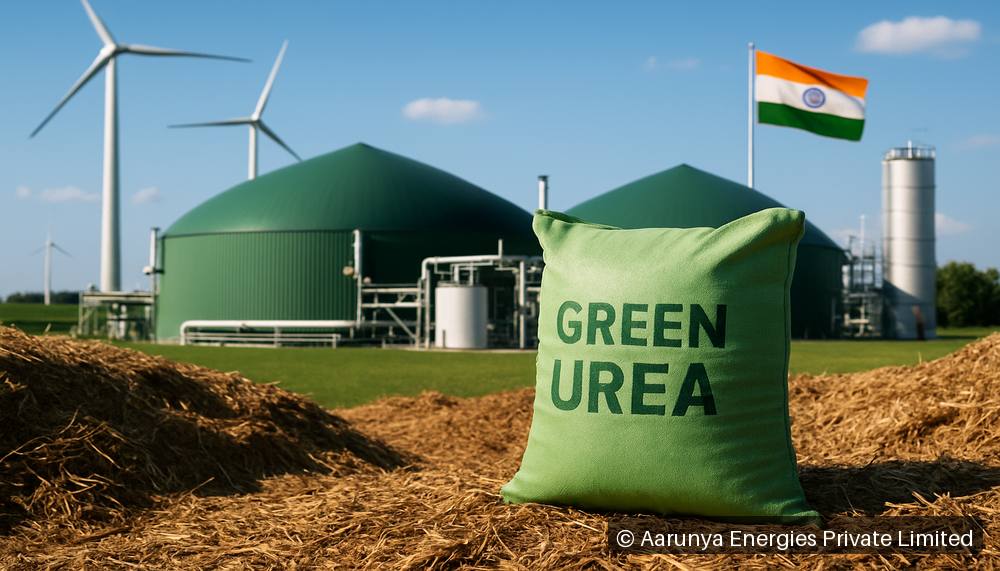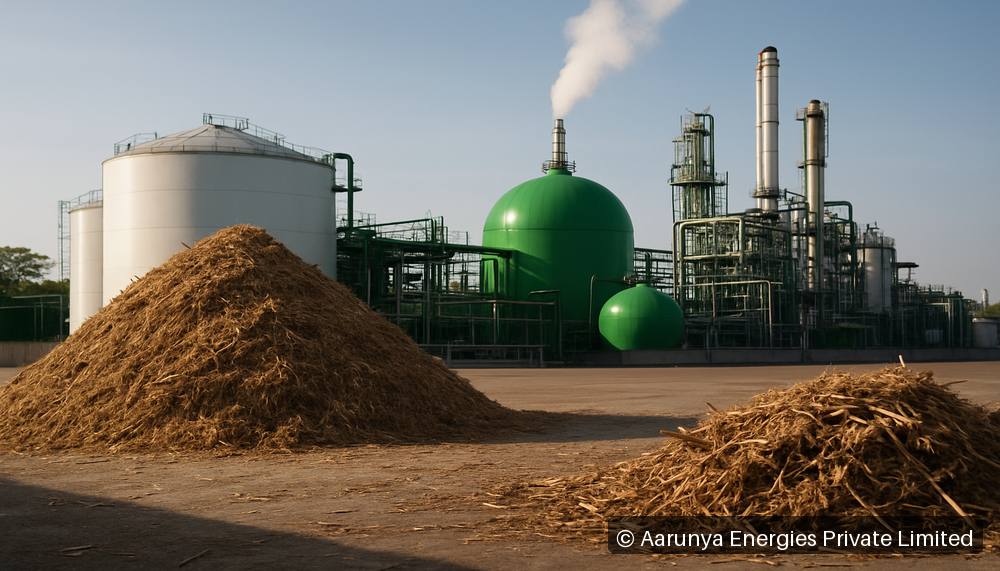
Green urea has emerged as a sustainable alternative to conventional fertilizers, offering significant environmental benefits. As the demand for sustainable agriculture intensifies in India, scaling green urea production presents both challenges and opportunities for the industry. This article examines these factors, focusing on the market dynamics, technological advancements, and regulatory frameworks that shape the future of green urea in India.
One of the primary challenges in scaling green urea production is the high initial investment required for the necessary technology and infrastructure. The production process involves the synthesis of ammonia from renewable energy sources, which can be costly. Developing the required facilities often requires substantial capital expenditure that might be a barrier for many producers. In India, where the agricultural sector is still heavily reliant on traditional fertilizers, the transition to green urea is not only about technology but also about changing long-standing practices and mindsets.
Another challenge is the sourcing of feedstock for green urea production. While renewable energy sources like solar and wind power are becoming more accessible, the availability of biomass for ammonia synthesis can be inconsistent. Ensuring a stable supply of biomass is crucial, as fluctuations in availability can disrupt production schedules and affect overall profitability. Farmers and producers need to be educated about sustainable biomass sourcing, which adds an additional layer of complexity to scaling operations.
On the regulatory front, the Indian government has begun to recognize the importance of green fertilizers in achieving its sustainability goals. However, the regulatory landscape remains somewhat fragmented, with varying standards and guidelines across different states. Coordinated efforts are needed to develop unified regulations that can facilitate the growth of the green urea sector. This includes incentives for producers, subsidies for renewable energy usage, and support for research and development in green technologies.
Despite these challenges, numerous opportunities exist for scaling green urea production in India. With the right investments, technological advancements, and supportive policies, India can position itself as a leader in sustainable agriculture. The increasing consumer awareness regarding environmental impacts and the shift towards organic farming provide a fertile ground for the adoption of green urea. Farmers are increasingly seeking alternatives to chemical fertilizers that not only improve soil health but also contribute to reducing greenhouse gas emissions.
Technological advancements in production processes, such as the development of more efficient catalysts and methods for integrating renewable energy into ammonia synthesis, can significantly lower production costs. Innovations in the field of biomass utilization can also enhance feedstock availability, making it easier for producers to scale operations. Collaborations between research institutions, private companies, and government bodies can further drive innovation and efficiency in the sector.
Additionally, the potential for carbon credits presents an exciting opportunity for green urea producers. By adopting sustainable practices and reducing carbon footprints, producers can benefit from carbon trading schemes, providing an additional revenue stream. This can incentivize more farmers to transition to green urea, as they can simultaneously improve their profitability while contributing to environmental sustainability.
The growing global demand for green products, including green urea, opens up export opportunities for Indian producers. As countries strive to meet their climate goals, the market for sustainable fertilizers is expected to expand. By positioning green urea as a viable export product, India can tap into new markets and enhance its economic prospects.
In conclusion, while the challenges in scaling green urea production in India are considerable, the opportunities are equally promising. By addressing investment barriers, ensuring a stable biomass supply, and fostering regulatory support, India can unlock the potential of green urea to transform its agricultural landscape. The path to scaling green urea production is not only about meeting current agricultural needs but also about securing a sustainable future for generations to come.