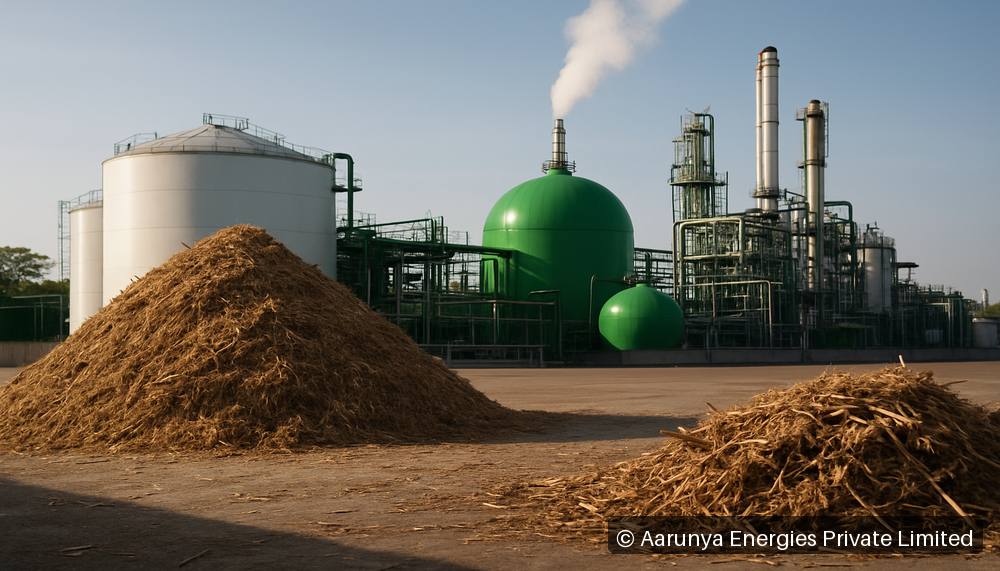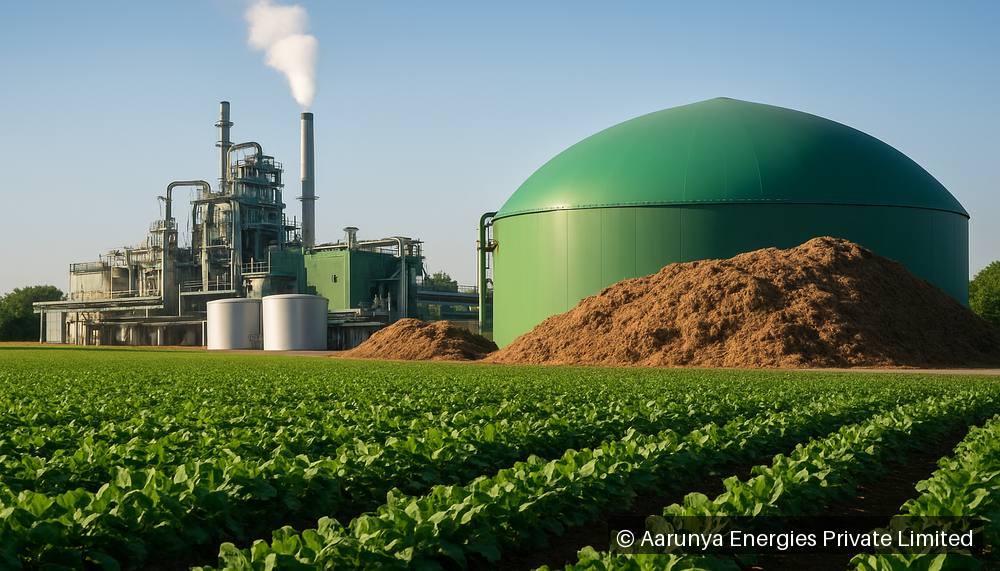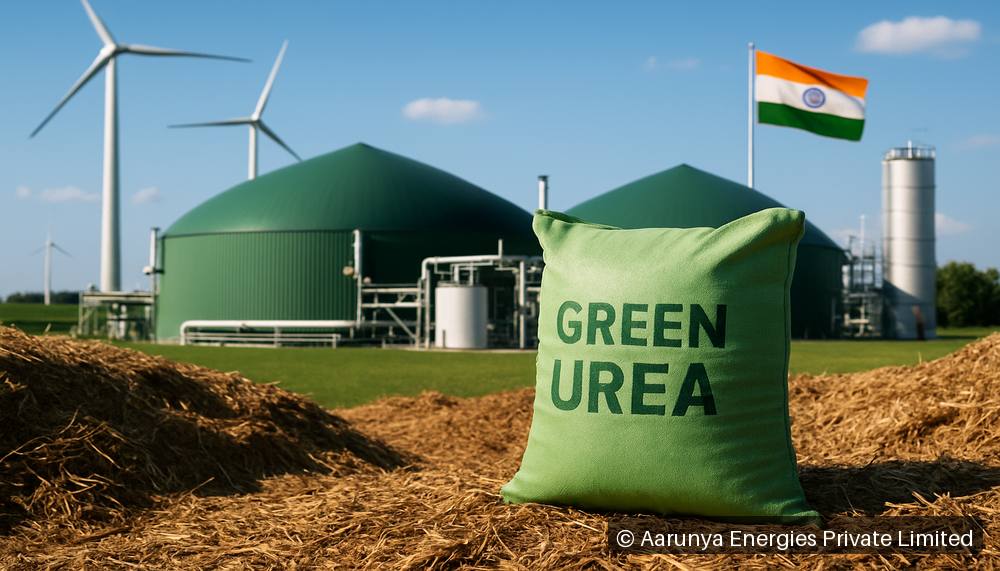
The agricultural sector in India is undergoing a significant transformation, fueled by the need for sustainable practices and the adoption of green technologies. Among these, green urea has emerged as a critical focus area for many Indian fertiliser companies. Green urea is produced using renewable energy sources, making it an eco-friendly alternative to conventional urea. This article explores which Indian fertiliser companies are investing in green urea and the reasons behind these initiatives.
One of the primary drivers behind the shift towards green urea is the growing awareness of the environmental impact of traditional fertilisers. Conventional urea production is energy-intensive and contributes to greenhouse gas emissions. In contrast, green urea production utilizes renewable energy sources such as solar, wind, and biomass, significantly reducing its carbon footprint. As India aims for net-zero emissions by 2070, the agricultural sector must adapt to sustainable practices, and green urea is at the forefront of this change.
Several Indian fertiliser companies are stepping up their investments in green urea technology. These companies recognize the potential of green urea not only to address environmental concerns but also to enhance soil health and crop productivity. One of the key players in this space is a leading public sector fertiliser manufacturer, which has initiated projects to develop green urea using green hydrogen. The company aims to leverage advancements in electrolysis technology to produce hydrogen from renewable sources, which can then be combined with nitrogen to create green urea.
Another significant player in the fertiliser sector is a prominent cooperative society that has been exploring green urea production through biomass gasification. This method involves converting organic materials into gas, which can then be used to produce fertiliser. By investing in this technology, the company aims to reduce its reliance on fossil fuels and promote sustainable farming practices among its member farmers.
Additionally, several private fertiliser manufacturers are also investing in green urea production. These companies are focusing on research and development to enhance the efficiency and effectiveness of green urea as a fertiliser option. They are collaborating with research institutions to innovate new formulations that can maximize nutrient delivery while minimizing environmental impacts.
The government of India is also playing a crucial role in promoting green urea. Through various schemes and incentives, the government encourages fertiliser companies to invest in sustainable practices. The National Policy on Biofuel and the National Mission for Sustainable Agriculture are examples of initiatives that support the adoption of green technologies in the agricultural sector. By aligning their strategies with national goals, fertiliser companies can not only enhance their market position but also contribute to the country’s sustainability objectives.
The investment in green urea is not just about compliance with environmental regulations; it also presents a significant business opportunity. As global demand for sustainable agriculture rises, Indian fertiliser companies are eyeing international markets that prioritize environmentally friendly products. By positioning themselves as leaders in green urea production, these companies can gain a competitive edge and tap into new revenue streams.
Moreover, the shift to green urea aligns with the increasing consumer preference for eco-friendly products. Farmers are becoming more conscious of the inputs they use on their crops, as consumers demand sustainably grown produce. Fertiliser companies that embrace green urea can respond to this trend and build stronger relationships with farmers and consumers alike.
In conclusion, the transition to green urea represents a pivotal moment for the Indian fertiliser industry. As several key players invest in this sustainable alternative, they are not only addressing pressing environmental challenges but also capitalizing on emerging market opportunities. With the backing of government initiatives and a growing demand for sustainable practices, the future of green urea in India looks promising. The movement towards green urea signifies a broader commitment to sustainable agriculture, ensuring that the needs of the present are met without compromising the ability of future generations to meet their own needs.