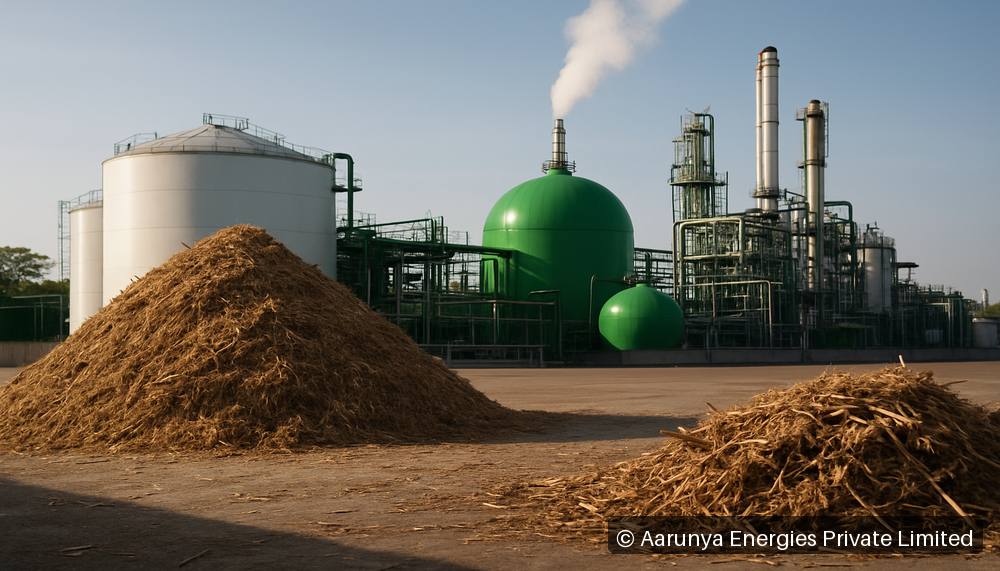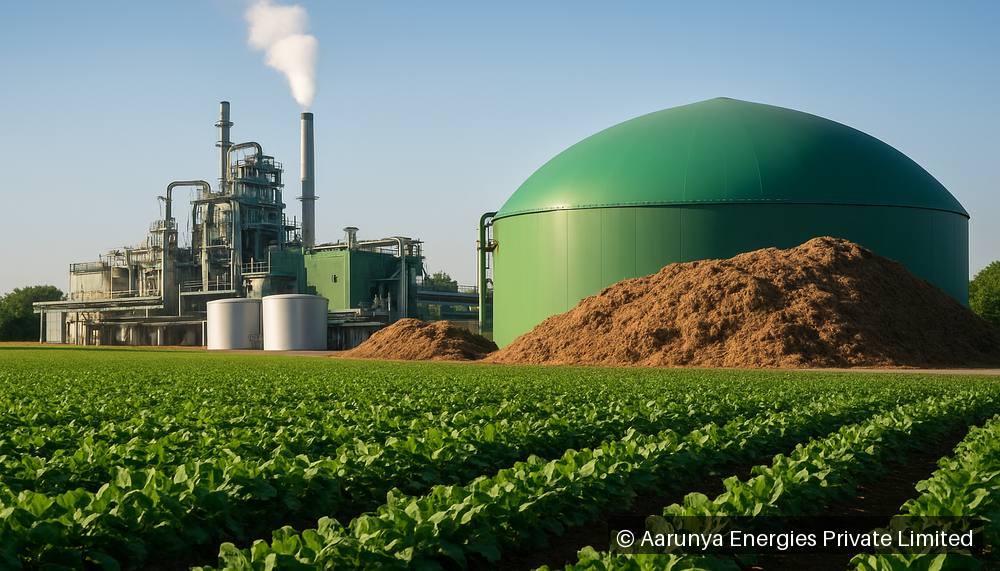
The agricultural landscape in India is undergoing a significant transformation with the increasing adoption of sustainable practices. Among these practices, the use of green urea is emerging as a pivotal innovation that not only enhances crop productivity but also positively impacts farmer economics. Green urea, a more environmentally friendly alternative to conventional urea, is produced using renewable energy sources, making it a sustainable choice for Indian farmers.
Green urea is synthesized by utilizing carbon dioxide and ammonia to create a nitrogenous fertilizer that is less harmful to the environment. Unlike traditional urea, which has a high carbon footprint due to its production process, green urea's eco-friendly manufacturing aligns with India's commitment to reducing greenhouse gas emissions. This transition towards green urea is particularly crucial, given the country's high dependency on chemical fertilizers, which have not only affected soil health over time but also contributed to environmental degradation.
One of the most significant impacts of adopting green urea is its potential to enhance crop yields. Studies have shown that green urea can improve nitrogen use efficiency, which is crucial for maximizing agricultural output. With the Indian government promoting initiatives like the Pradhan Mantri Krishi Sinchai Yojana (PMKSY) and the Soil Health Card Scheme, the introduction of green urea complements these efforts by offering a sustainable solution to boost productivity while minimizing environmental harm.
The economic implications for farmers adopting green urea are noteworthy. First and foremost, the improved crop yields directly translate into increased income for farmers. By using green urea, farmers can achieve better growth rates and higher yields, thereby ensuring a more substantial financial return on their investments. This is particularly vital for smallholder farmers, who often operate on thin margins and rely heavily on every bit of produce.
Moreover, green urea can contribute to reducing the cost of cultivation in the long run. Although the initial investment in green urea may be somewhat higher than traditional fertilizers, the long-term benefits, such as improved soil health and reduced dependency on chemical fertilizers, can lead to significant savings. Healthier soils require less frequent fertilization and can support a wider variety of crops, further enhancing economic viability for farmers.
In addition to improving yields and reducing costs, adopting green urea can also help farmers access new markets. With the increasing consumer demand for organic and sustainably produced food, farmers using green urea can position themselves as producers of eco-friendly crops. This market differentiation can lead to premium pricing, ultimately improving their income levels.
Furthermore, the adoption of green urea aligns with government policies aimed at promoting sustainable agriculture. By supporting initiatives that encourage the use of eco-friendly fertilizers, the government is not only aiding in the reduction of carbon emissions but also empowering farmers with tools that enhance their economic stability. The promotion of green urea can lead to enhanced farmer literacy regarding sustainable practices, fostering a culture of environmental stewardship among agricultural communities.
However, the transition to green urea is not without its challenges. Farmers need adequate training and resources to understand the benefits and proper application methods of green urea. This necessitates a collaborative approach involving government, agricultural extension services, and private sectors to ensure that farmers are well-informed and equipped to make the switch.
In conclusion, the adoption of green urea presents a promising opportunity for Indian agriculture. It not only enhances productivity and farmer economics but also aligns with the broader goals of sustainability and environmental conservation. As India continues to navigate the challenges of food security and climate change, green urea could play an instrumental role in shaping the future of agriculture in the country. By embracing this innovative solution, farmers can look forward to a more sustainable and profitable agricultural practice that benefits both their livelihoods and the environment.