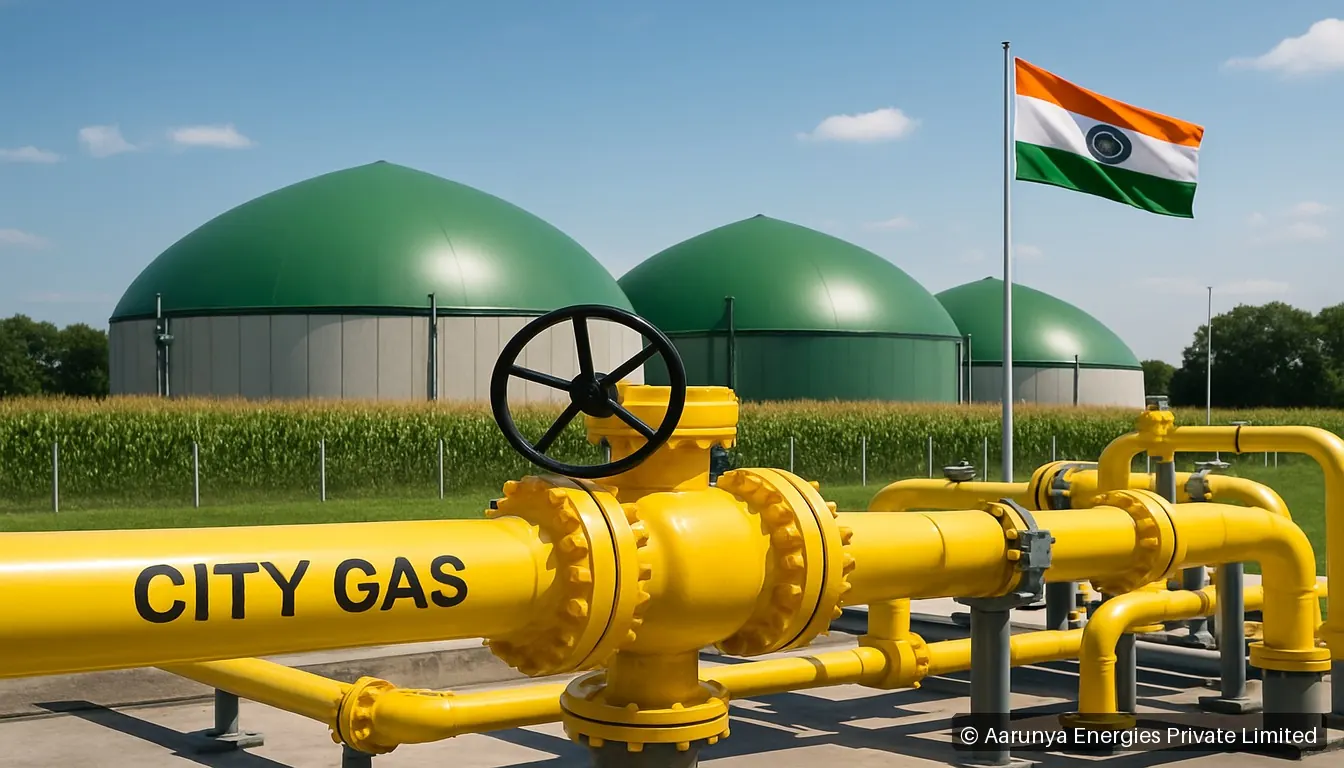
City Gas Distribution (CGD) has emerged as a vital infrastructural element in India, promoting the use of natural gas for various applications, including residential, commercial, and industrial sectors. With the increasing emphasis on sustainable energy, integrating Compressed Biogas (CBG) into CGD systems is gaining traction. This integration not only enhances energy security but also contributes significantly to reducing greenhouse gas emissions.
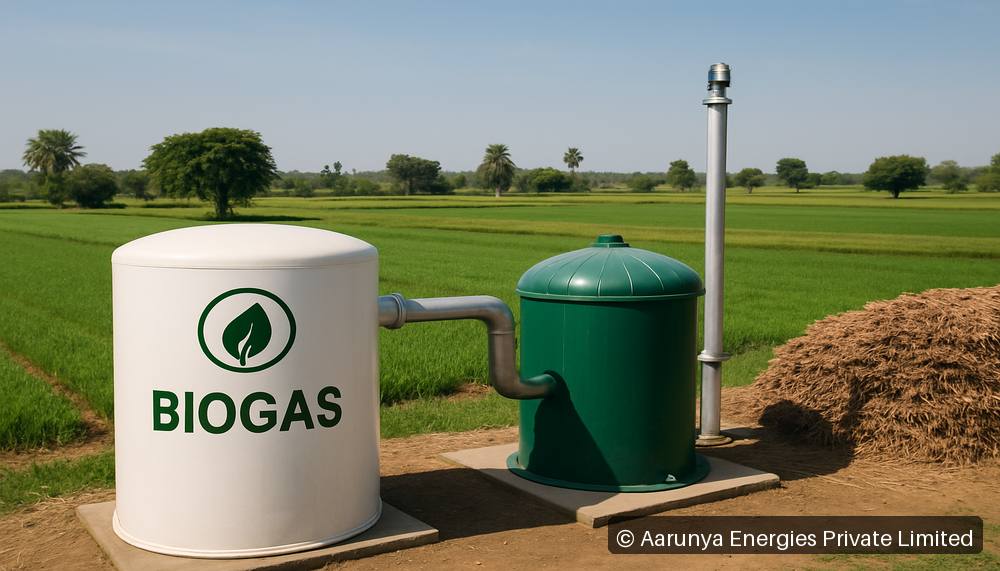
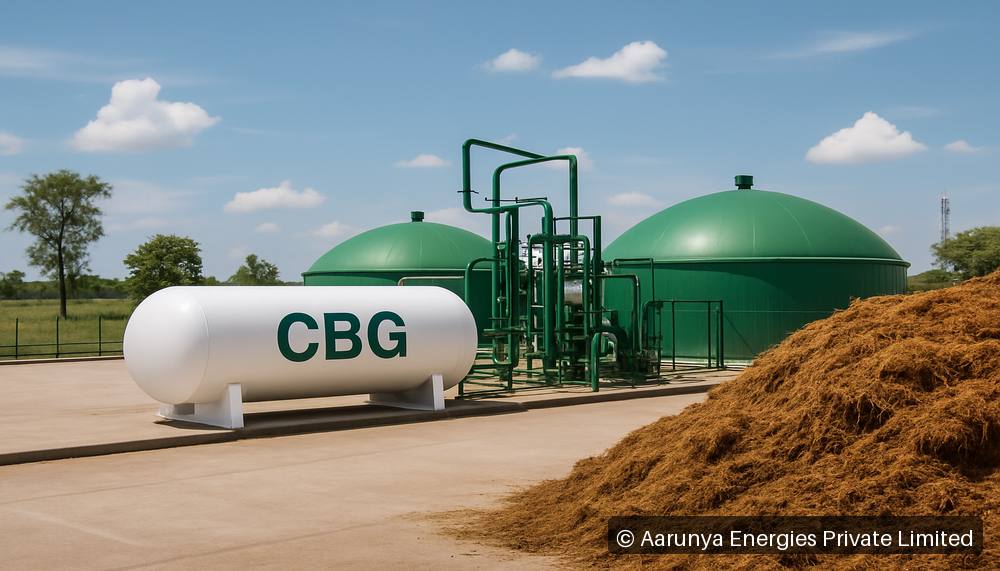
Compressed Biogas, derived from organic waste, is a renewable energy source that can be produced through anaerobic digestion. It offers a sustainable alternative to fossil fuels, and when injected into the CGD network, it helps diversify the energy mix available to consumers. The process of integrating CBG into CGD involves several technical and regulatory components, particularly regarding pipeline injection.
Pipeline injection is the method through which CBG is introduced into the existing natural gas distribution network. This process ensures that CBG can be transported efficiently over long distances and delivered to end-users without significant losses. The first step in this process is the purification of biogas to meet the quality specifications set by the Gas Authority of India Limited (GAIL) and other regulatory bodies. The purified biogas is then compressed to fit the pipeline standards, which typically require a high methane content and minimal impurities.
Once the CBG is produced and compressed, it is injected into the CGD network at designated points. This is achieved through a series of compressors and pressure regulating systems that ensure the gas flows seamlessly into the pipeline infrastructure. The integration of CBG into the CGD network is also supported by advanced metering and monitoring systems that help maintain the quality and quantity of gas being distributed.
The benefits of CBG integration into City Gas Distribution are manifold. Firstly, it provides a reliable supply of renewable energy, reducing dependence on fossil fuels and enhancing energy security. Secondly, CBG helps in managing organic waste, contributing to a circular economy by converting waste into valuable energy. This process not only reduces landfill waste but also mitigates methane emissions from organic waste decomposition.
Furthermore, CBG has the potential to create economic opportunities in rural areas, where biomass resources are abundantly available. By establishing biogas plants and integrating them into the CGD network, local communities can benefit from job creation and sustainable income sources. This aligns with the Government of India’s vision to promote clean energy and empower rural economies through sustainable practices.
In terms of regulatory frameworks, the integration of CBG into CGD networks is supported by various policies that encourage the production and utilization of renewable energy. The National Policy on Biofuels and the National Bioenergy Programme provide a conducive environment for CBG projects, facilitating easier access to financing and technical support.
However, the successful integration of CBG into City Gas Distribution systems in India also faces challenges. Ensuring the consistent quality of CBG, maintaining the infrastructure, and addressing the financial viability of biogas projects are critical areas that need attention. Stakeholders, including government bodies, private enterprises, and local communities, must collaborate effectively to overcome these hurdles.
In conclusion, the integration of Compressed Biogas into City Gas Distribution networks in India represents a significant step towards achieving a sustainable energy future. Pipeline injection plays a crucial role in this integration process, ensuring that CBG can be efficiently transported and delivered to consumers. By leveraging renewable energy sources like CBG, India can enhance its energy security, reduce environmental impacts, and promote economic development, thereby paving the way for a greener and more sustainable future.