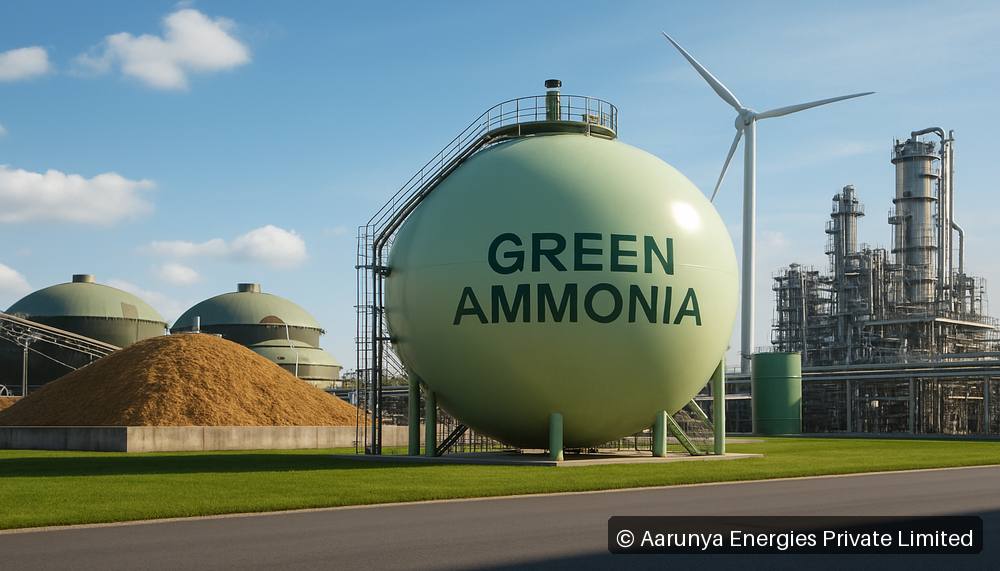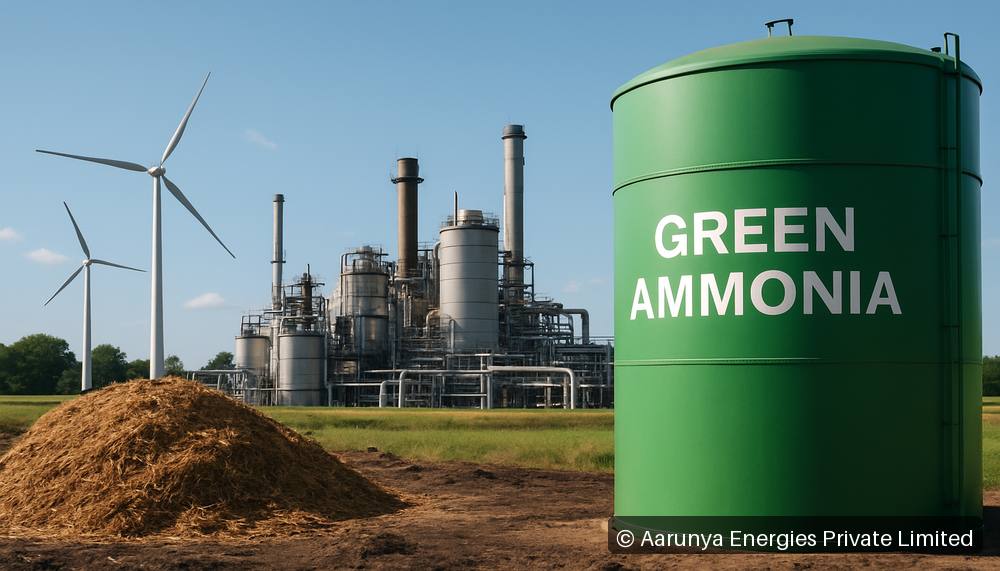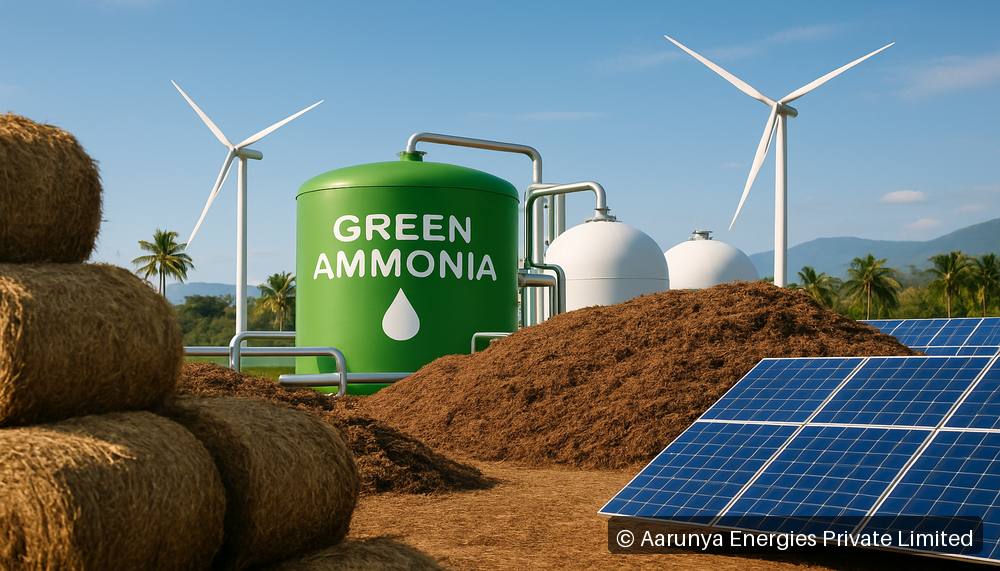
Green ammonia, derived from renewable energy sources, has emerged as a crucial player in the transition to sustainable energy systems. Coastal regions of India, with their abundant resources, offer significant potential for green ammonia production. This article explores the economic viability of this innovative energy solution, considering the unique advantages and challenges these regions face.
India's commitment to reducing greenhouse gas emissions and achieving renewable energy targets has made green ammonia a focal point in its energy strategy. Green ammonia is produced using renewable energy to electrolyze water, generating hydrogen, which is then combined with nitrogen from the air. This process not only eliminates carbon emissions but also utilizes India’s vast renewable resources, particularly solar and wind energy, which are abundant in coastal areas.
Coastal regions in India, such as Maharashtra, Gujarat, and Tamil Nadu, present several advantages for green ammonia production. Firstly, these areas are strategically located near the sea, facilitating access to shipping routes for export. As green ammonia gains traction globally, India can position itself as a significant player in the international market, exporting this eco-friendly product to countries that are aggressively pursuing carbon-neutral goals.
Moreover, coastal regions typically have high solar and wind potential, which can be harnessed for the electrolysis process required in green ammonia production. The continuous availability of renewable energy can significantly lower production costs, making it more economically viable. Additionally, the decreasing cost of renewable energy technologies, such as solar panels and wind turbines, further enhances the feasibility of large-scale green ammonia production.
The integration of green ammonia production with existing biomass industries can also boost economic viability. By utilizing biomass as a feedstock for energy generation, companies can create a synergistic effect, where surplus energy can be channeled into ammonia production. This not only optimizes resource use but also helps in waste management, contributing to a circular economy.
However, several challenges must be addressed to realize the economic potential of green ammonia in coastal regions. The initial capital investment for setting up production facilities can be substantial, and there may be a need for government incentives to encourage private sector involvement. Additionally, the technology for green ammonia production, while promising, is still developing, and further research and development are necessary to enhance efficiency and reduce costs.
Another concern is the availability of nitrogen, which is essential for ammonia synthesis. While nitrogen is abundantly available in the atmosphere, the infrastructure for capturing and utilizing it efficiently must be developed. Furthermore, the logistics of transporting raw materials and finished products in coastal areas need careful planning to ensure cost-effectiveness.
Despite these challenges, the long-term economic prospects for green ammonia production in India’s coastal regions are promising. The global demand for green fuels is projected to increase as countries commit to net-zero targets. India, with its strategic geographic location and abundant renewable resources, is well-positioned to meet this demand.
Additionally, the Indian government has introduced various policies aimed at boosting renewable energy and green technology sectors. Initiatives like the National Hydrogen Mission, which aims to develop hydrogen production and utilization pathways, can provide the necessary framework and support for green ammonia production. By aligning with these policies, investors can mitigate some of the risks associated with entering this emerging market.
In conclusion, the economic viability of green ammonia production in India's coastal regions is not just a theoretical concept; it is a tangible opportunity waiting to be harnessed. With the right investments, supportive policies, and innovative approaches, coastal regions can become the backbone of India’s green ammonia industry, contributing significantly to the country’s renewable energy goals and global sustainability efforts. As the world moves towards a greener future, India’s coastal regions can lead the way in producing clean, sustainable energy solutions that will benefit both the economy and the environment.